Walden Dedham
Walden Dedham is an outpatient eating disorder program in Massachusetts. It has held Joint Commission accreditation since 2003 and treats adolescents and adults. Sessions run about 30 days, and the center takes cash pay.

Joint CommissionOutpatient30 days
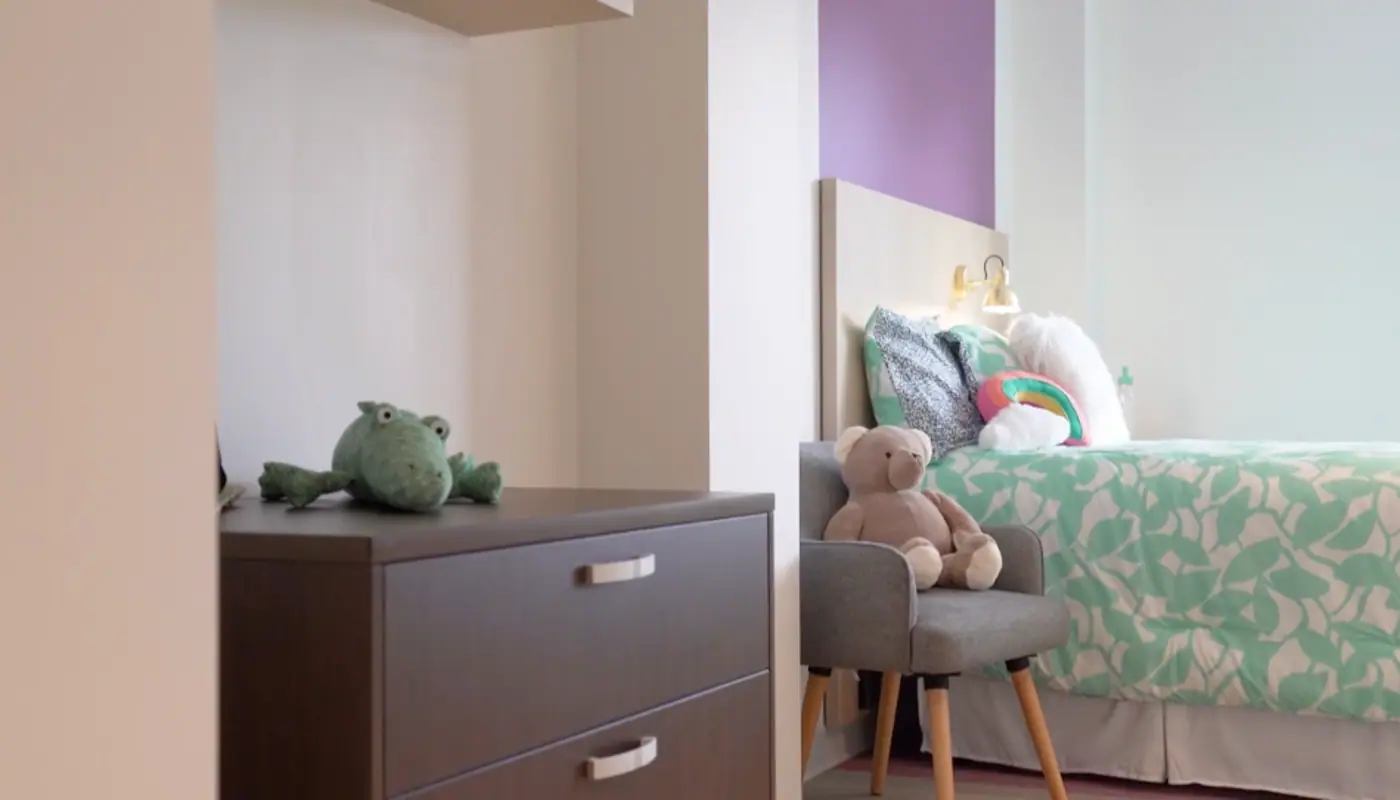
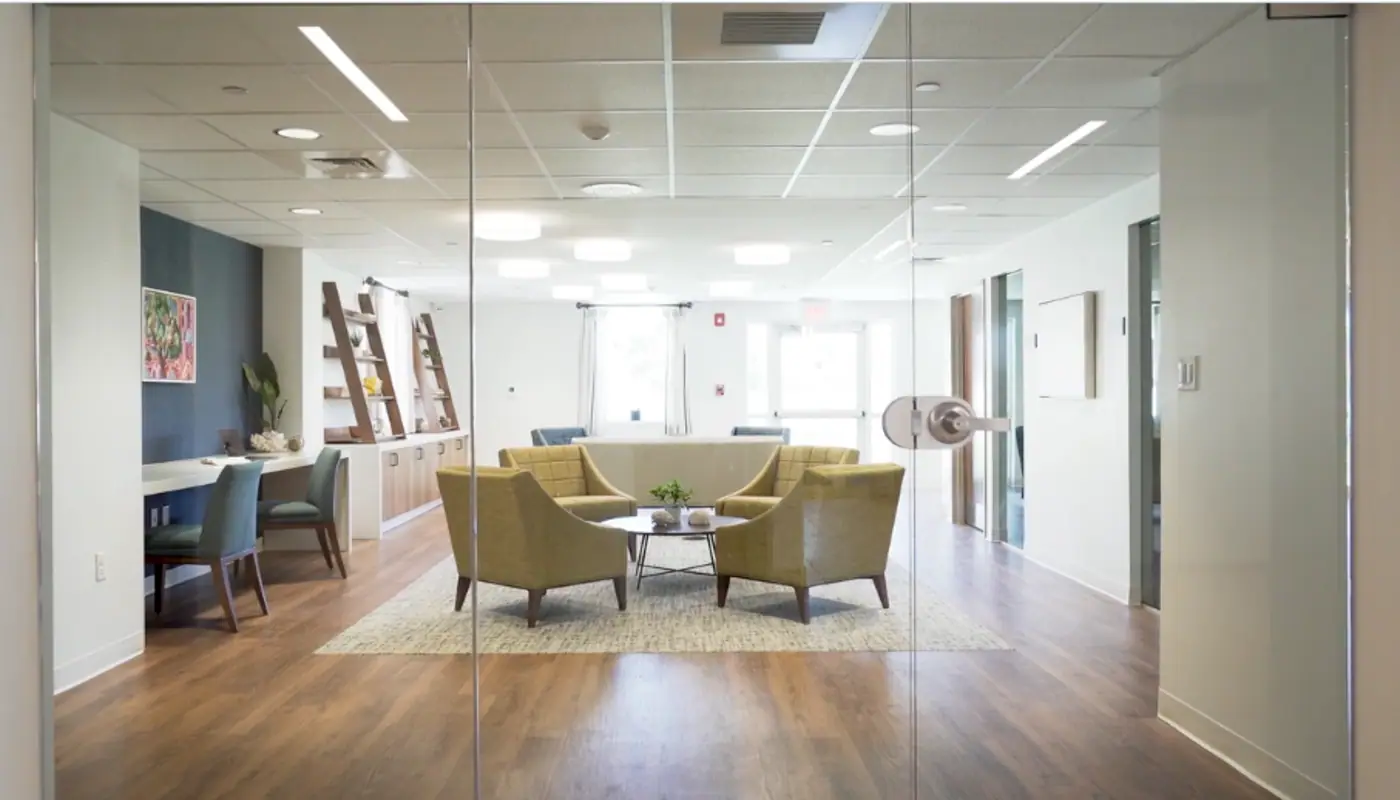

Walden Dedham is an outpatient eating disorder program in Dedham, Massachusetts, serving adolescents from age 11 upward, young adults, midlife adults, and people of all genders. Joint Commission accreditation has been in place since 2003, and the center works with people living with anorexia, bulimia, binge eating disorder, and related conditions. Walden Dedham is one of the outpatient eating disorder treatment centers in Massachusetts that families call first, and staff plan care around each person rather than a single template.
This level of care suits people who can remain at home while attending scheduled sessions. Alongside expressive arts work such as art and music therapy, the program offers cognitive behavioral therapy dialectical behavior therapy and family counseling, giving a person several ways to talk about hard things. The program is non 12 step and relies on evidence-based and holistic approaches, a good match for someone wanting structure without a step-based model. Parents and partners are included where that helps, and aftercare continues through follow-up sessions in person or online.
Programs and therapies at Walden Dedham
Walden Dedham provides outpatient care, so a person comes to scheduled sessions and keeps living at home. For adolescents and adults needing structured eating disorder treatment in Massachusetts, the program blends one-on-one counseling, cognitive behavioral therapy, dialectical behavior therapy, group therapy, and family therapy. Art therapy, music therapy, expressive arts, and relapse prevention counseling complete the schedule. A usual program length is roughly 30 days, though the clinical team adjusts it to the individual.
Methods include evidence-based and holistic approaches delivered through individual treatment planning, and the center describes itself as non 12 step. Conditions treated include anxiety, depression, trauma, and eating disorders, as well as co-occurring disorders. If a clinician determines that someone needs more than outpatient sessions, the center can direct the family toward inpatient or residential options elsewhere, because this location does not offer those.
- Evidence-Based
- Cognitive Behavioral Therapy
- Relapse Prevention Counseling
- Family Therapy
- Dialectical Behavior Therapy
- Group Therapy
- Non 12 Step
- Holistic
- 1-on-1 Counseling
- Individual Treatment
Who Walden Dedham serves
- Adolescents from age 11 and up, a core specialization here
- Young adults, another area the center specializes in
- Midlife adults
- Men and women of all genders
- LGBTQ+ individuals, including adolescents and young adults
- People living with anxiety, depression, trauma, or co-occurring disorders alongside an eating disorder
Setting and amenities at Walden Dedham
This Dedham site is an outpatient program of about 30 days, so there are no overnight beds here; people go home between sessions. Families comparing outpatient eating disorder programs in Massachusetts will find amenities that support real-life practice, including chef-prepared meals, outdoor dining, an outdoor lounge, access to nature, and cooking classes. Personal amenities listed include air-conditioned private rooms with en suite bathrooms and desks, which apply to residential care in the wider network rather than to outpatient visits. Services are offered in English. If someone needs round-the-clock support, then a residential setting is the right conversation to have instead.
- Chef-prepared Meals
- Outdoor Dining
- Access to Nature
- Luxury
- Outdoor Lounge
Paying for treatment at Walden Dedham
The center lists private pay rates as its payment option, so before scheduling, ask what each session costs. If you intend to use private insurance for eating disorder treatment in Massachusetts, confirm whether your plan covers outpatient sessions here, since the center does not list Medicaid or state funding. Coverage and availability change, so check with your plan and the center before you commit to a start date.
Questions to ask Walden Dedham
- What does the 30-day outpatient schedule look like week to week, and how many sessions does it include?
- What will this cost under cash pay rates, and does my private plan cover any of it?
- How can you tell if someone needs more than outpatient care?
- How are families involved in therapy, and how often do they meet with the clinical team?
- What do in-person and online follow-up sessions include after the program ends?

More centers to consider
-
WorcesterMA
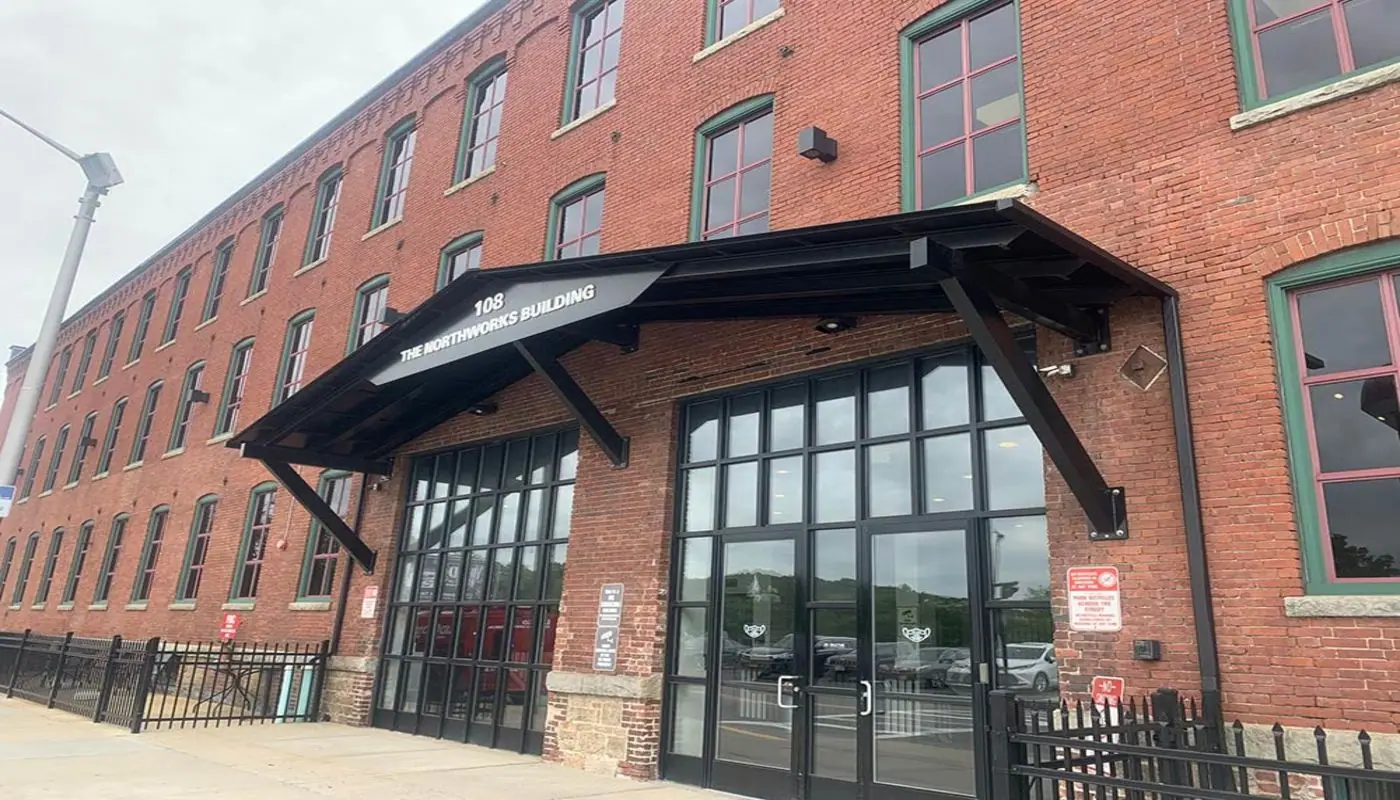
Eleanor Health Worcester Massachusetts
4.6/541 Google reviews
Typical stay 5 days
Eleanor Health Worcester Massachusetts runs an outpatient clinic at 108 Grove St.
- Outpatient
-

StoughtonMA
The Healing Center
5.0/580 Google reviews
Typical stay 28+ days
Outpatient care for substance use and for mental health conditions that occur alongside addiction is provided at The Healing Center Stoughton.
- Outpatient
- Co-Occurring Mental Health
Joint Commission View center
-
StockbridgeMA
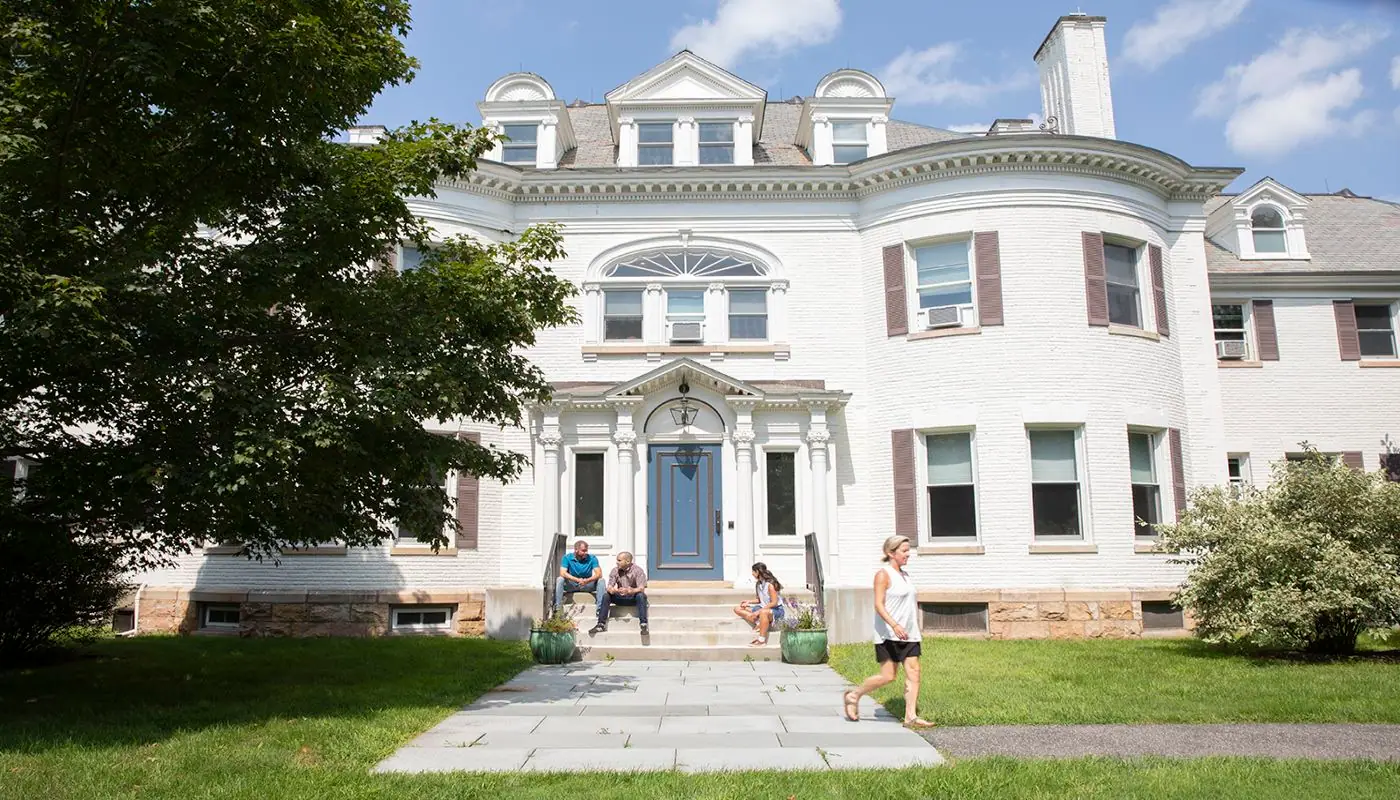
Austen Riggs Center
3.8/518 Google reviews
Typical stay 30 days
Austen Riggs Center in Stockbridge provides outpatient mental health care for adults.
- Outpatient
Joint Commission View center
-
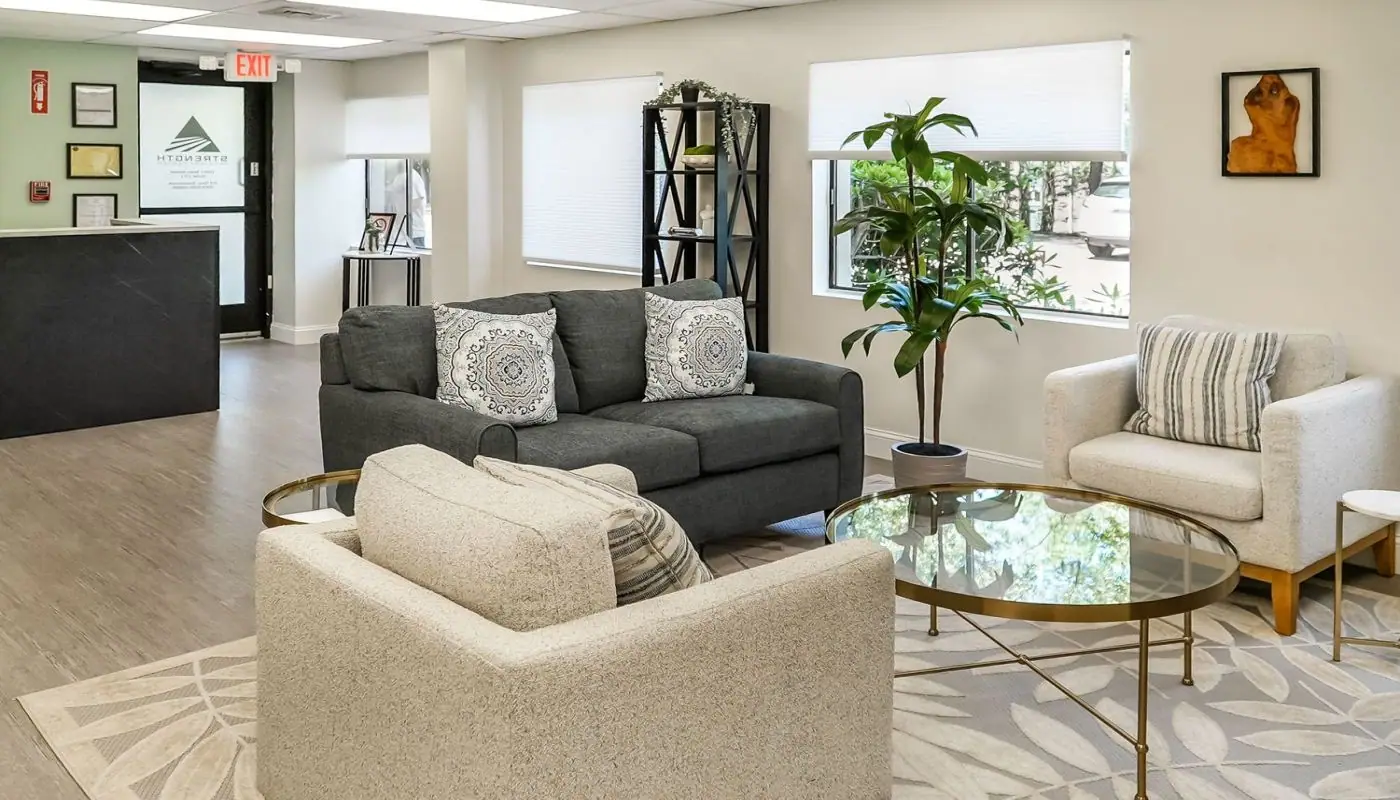
WeymouthMA
Strength Recovery Center
5.0/528 Google reviews
Typical stay 60 days
Strength Recovery Center Weymouth is an outpatient facility at 1221 Main St.
- Outpatient
-
BostonMA
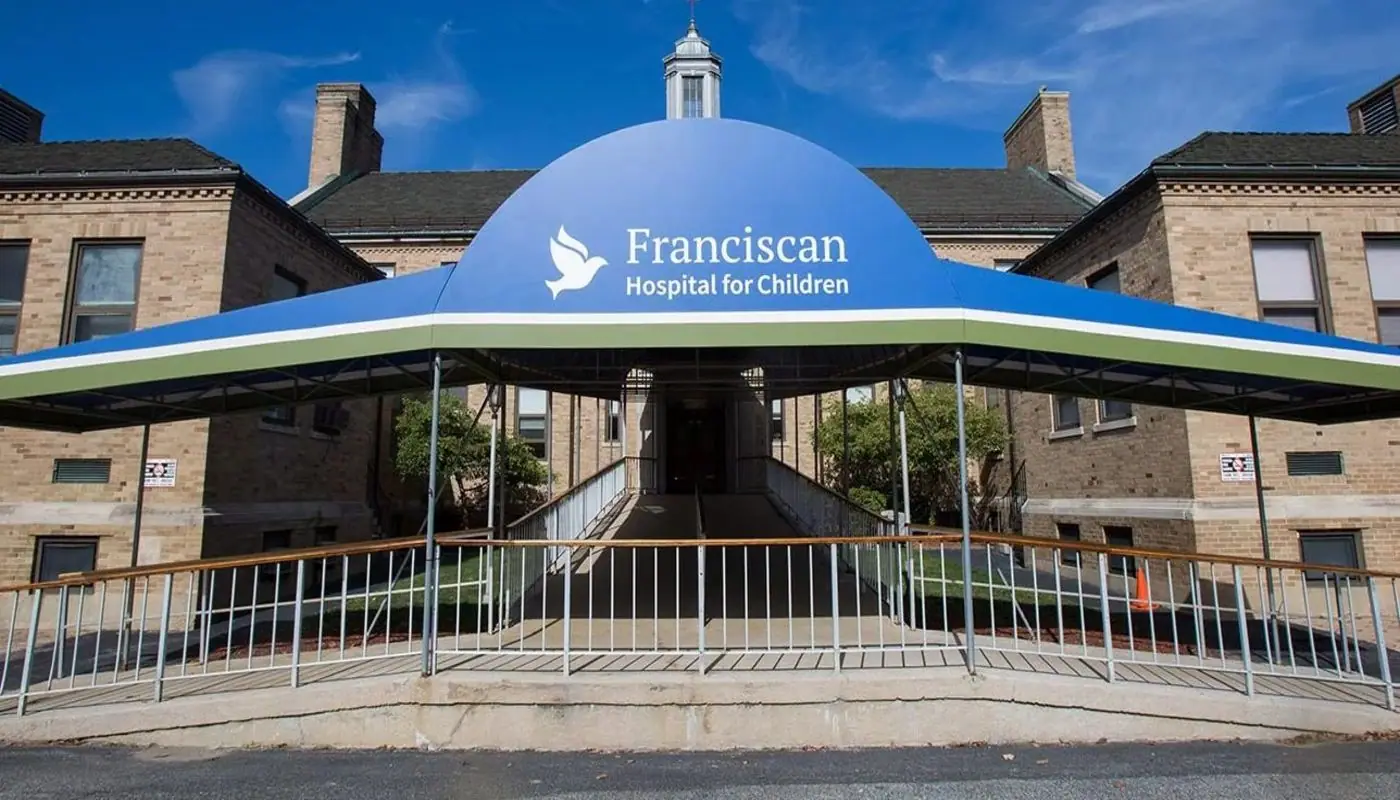
Franciscan Children’s
3.8/5137 Google reviews
Typical stay 50 days
Franciscan Children’s Boston provides outpatient mental health care for young people.
- Outpatient
-
SpringfieldMA
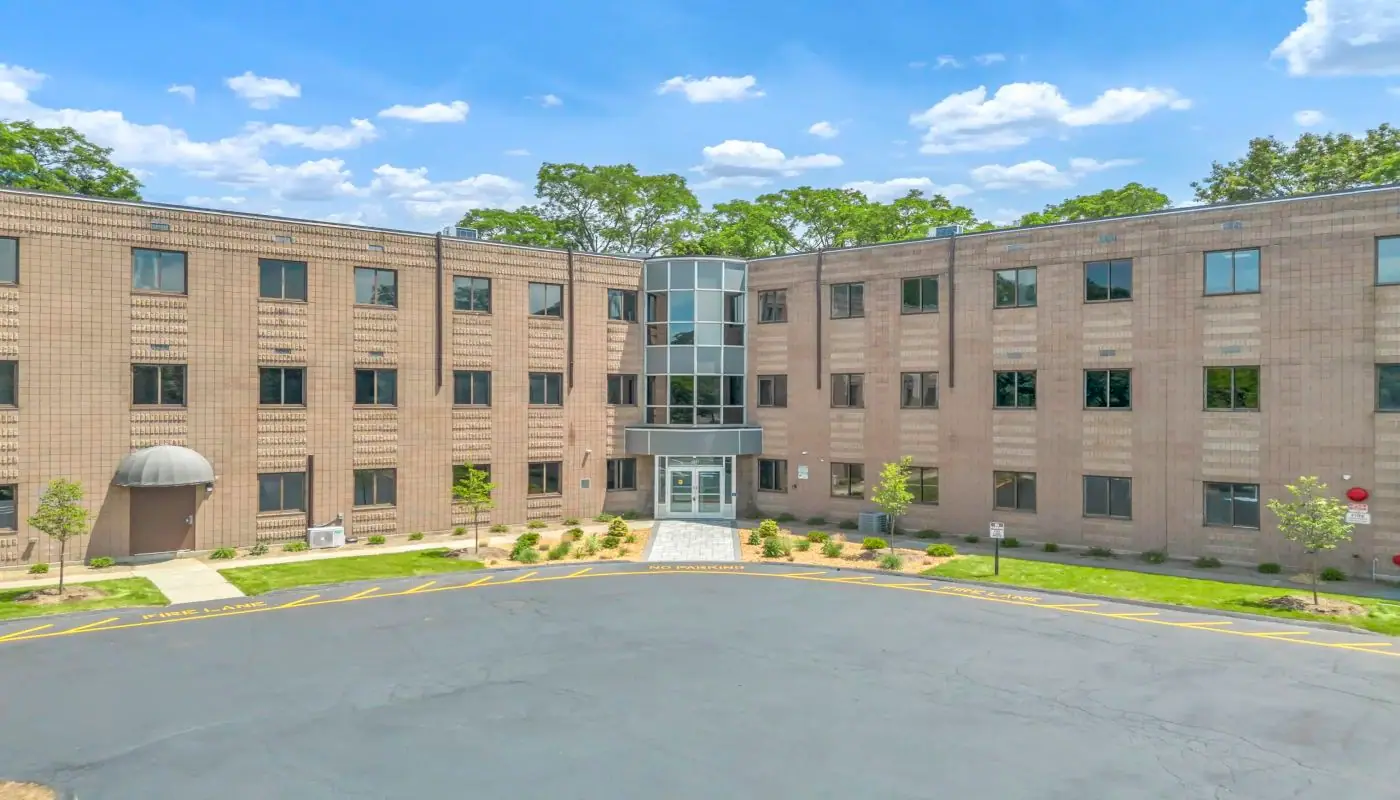
Boca Recovery Center Springfield
4.8/5207 Google reviews
Typical stay 30 days
Boca Recovery Center Springfield serves people facing drug or alcohol problems.
- Detox
- Residential Rehab
- Co-Occurring Mental Health
Joint Commission View center

Common questions
What are the outpatient eating disorder programs at Walden Dedham?
Walden Dedham provides outpatient eating disorder care for adolescents starting at age 11 and adults of all genders, with a typical program length of roughly 30 days. Therapies include dialectical behavior therapy and cognitive behavioral therapy, family therapy, art and music therapy, and relapse prevention counseling. It is a non 12 step program holding Joint Commission accreditation since 2003, and it is listed under outpatient care rather than inpatient or detox.
Does Walden Dedham accept MassHealth or Medicaid?
The center does not list Medicaid. Its stated payment option is cash pay rates. If MassHealth is something you are considering for eating disorder care in Massachusetts, ask the plan itself which outpatient sessions it covers, then verify the details with the center before you schedule. Our helpline can help you weigh options and find out what a particular program accepts, and it costs you nothing.
What is the difference between detox and rehab?
Detox is the medical process of clearing a substance from the body, often under clinical monitoring. Rehab, by contrast, centers on therapy and skills for daily living. Walden Dedham offers outpatient care for eating disorders and for mental health conditions that occur alongside addiction, so detox is not part of what it provides. When withdrawal care is also needed, a medically supervised detox program should come before other treatment, and our helpline can help you find one.
How long do people stay in outpatient eating disorder treatment?
At Walden Dedham, the typical outpatient program length is about 30 days, though the clinical team adjusts it to the person. Because sessions happen while someone lives at home, attendance and progress shape the timeline. If progress stalls or medical needs grow, then the team may recommend a higher level of care elsewhere. Ask about the exact weekly schedule before you start.
Can I visit or call Walden Dedham before deciding?
Yes. The center is at 10 Carematrix Dr, 1st floor, Dedham, MA 02026, and you can call to ask about the outpatient schedule, therapies, and cash pay rates. The helpline can also check availability and insurance questions for you at no charge, keep the conversation private, and leave you free to decide either way. Nothing is promised until the center confirms it.