Drug Rehab in Massachusetts
Looking for drug rehab in Massachusetts can feel overwhelming for a family. The state lists 326 facilities on SAMHSA FindTreatment.gov in November 2026. This guide helps you make sense of care and payment.
- facilities listed
- 326
- provide detox
- 53
- take Medicaid
- 304

Drug rehab in Massachusetts by city
Where you live or where your family member can travel shapes the search. Worcester has the most listings with 26 facilities. Fall River has 11. Boston, Jamaica Plain, Lowell, and Springfield each have 10 facilities. Pittsfield and New Bedford each have 9. Rehab centers across Massachusetts include 10 in Boston and 11 in Fall River. If staying close to home matters, a local outpatient program may be easier to stick with. If privacy or a fresh setting matters, a residential program elsewhere in the state might be a better fit.



Overdose data in Massachusetts
The numbers are sobering, but they show where progress is happening. In the 12 months ending May 2026, Massachusetts recorded 1,308 overdose deaths, down 7 percent from the previous period. Opioid deaths fell to 931, a 17 percent drop. Fentanyl deaths dropped 19 percent to 823, and heroin deaths fell 20 percent to 40. Overdose deaths in Massachusetts fell 7 percent in the 12 months ending May 2026. Prescription opioid deaths also declined 19 percent to 86.
Not every trend is down. Cocaine deaths rose 3 percent to 773, and methamphetamine deaths fell 9 percent to 146. These figures come from the CDC's provisional counts and may change. What they mean locally is that treatment is reaching some people, but cocaine and methamphetamine still need more attention. Massachusetts recorded 1,308 overdose deaths in the year ending May 2026. If someone you love is using, having naloxone on hand and knowing about treatment options can make a difference.
| Drug | Past year | Prior year | Difference |
|---|---|---|---|
| Overdoses from any drug | 1,308 | 1,404 | -7% |
| Any opioid | 931 | 1,120 | -17% |
| Fentanyl and synthetic opioids | 823 | 1,020 | -19% |
| Heroin use | 40 | 50 | -20% |
| Opioid medications | 86 | 106 | -19% |
| Methamphetamine use | 146 | 161 | -9% |
| Cocaine use | 773 | 749 | +3% |
Widely used rehab facilities in Massachusetts
-
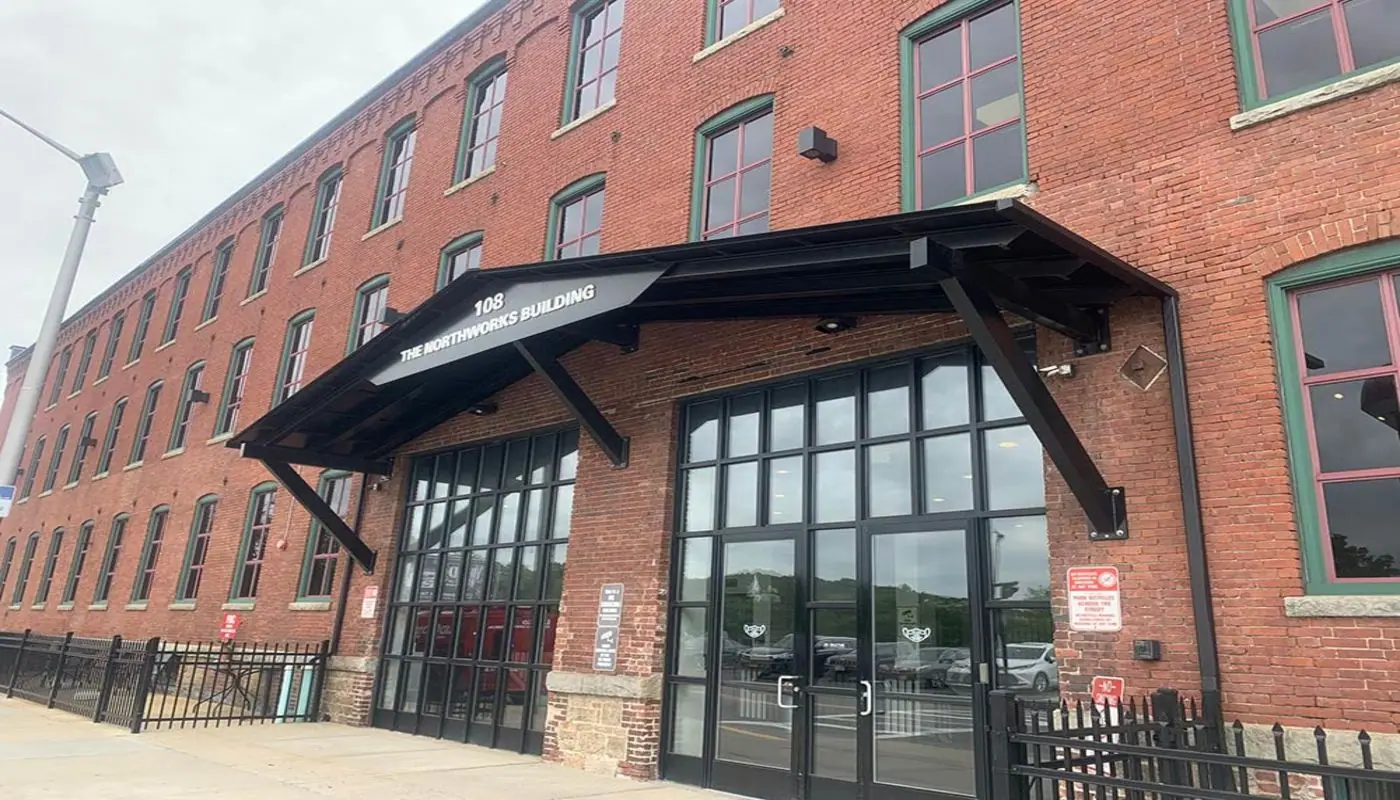
WorcesterMA
Eleanor Health Worcester Massachusetts
4.6/541 Google reviews
Typical stay 5 days
Eleanor Health Worcester Massachusetts runs an outpatient clinic at 108 Grove St.
- Outpatient
-

StoughtonMA
The Healing Center
5.0/580 Google reviews
Typical stay 28+ days
Outpatient care for substance use and for mental health conditions that occur alongside addiction is provided at The Healing Center Stoughton.
- Outpatient
- Co-Occurring Mental Health
Joint Commission View center
-
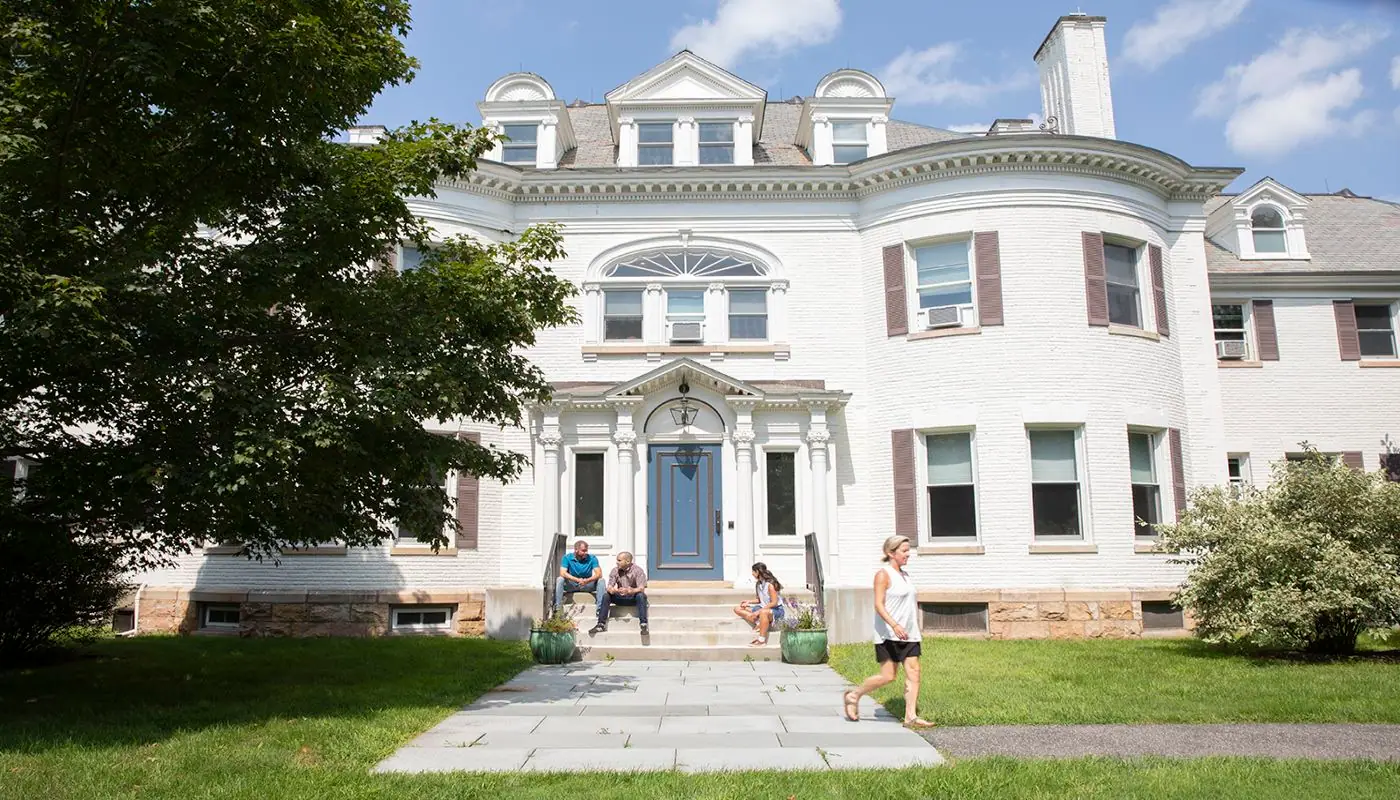
StockbridgeMA
Austen Riggs Center
3.8/518 Google reviews
Typical stay 30 days
Austen Riggs Center in Stockbridge provides outpatient mental health care for adults.
- Outpatient
Joint Commission View center
-
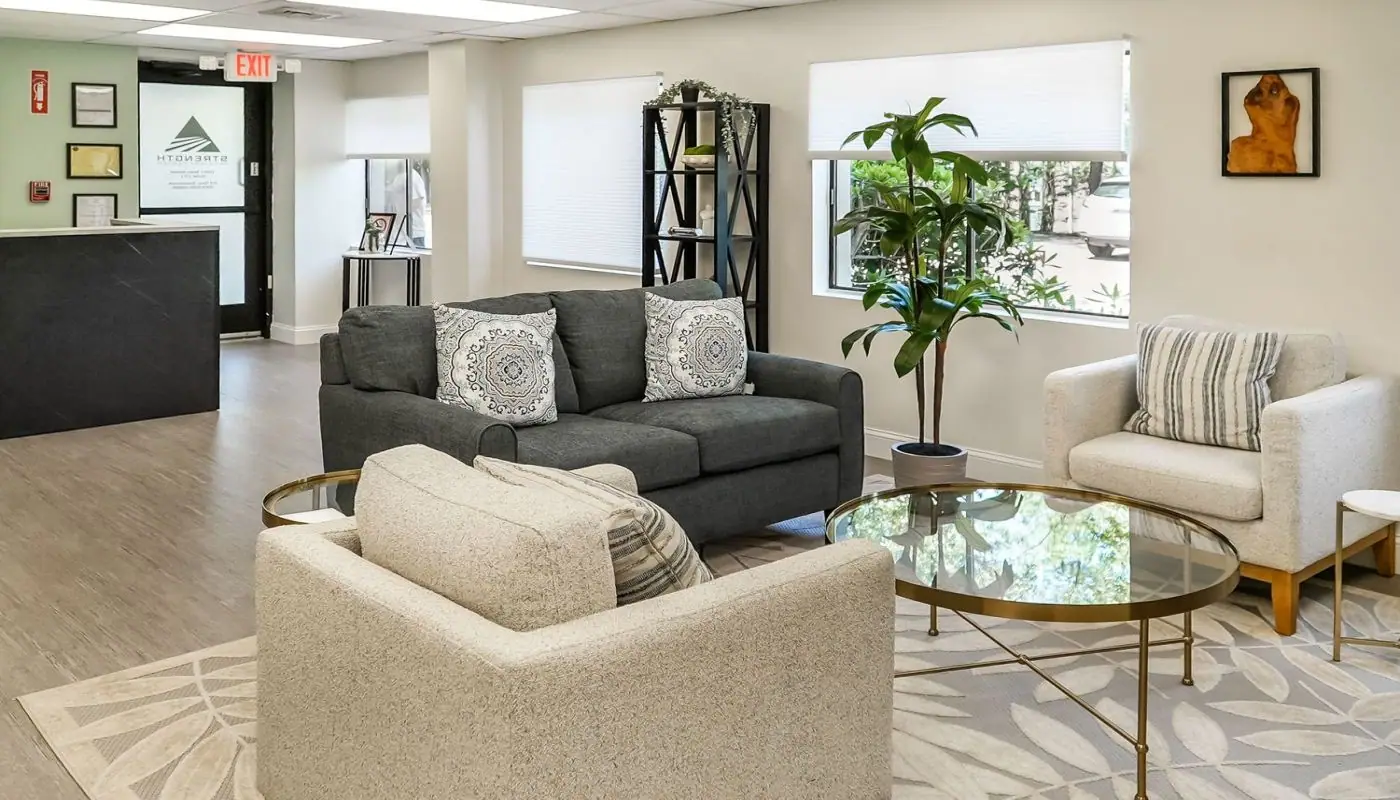
WeymouthMA
Strength Recovery Center
5.0/528 Google reviews
Typical stay 60 days
Strength Recovery Center Weymouth is an outpatient facility at 1221 Main St.
- Outpatient
-
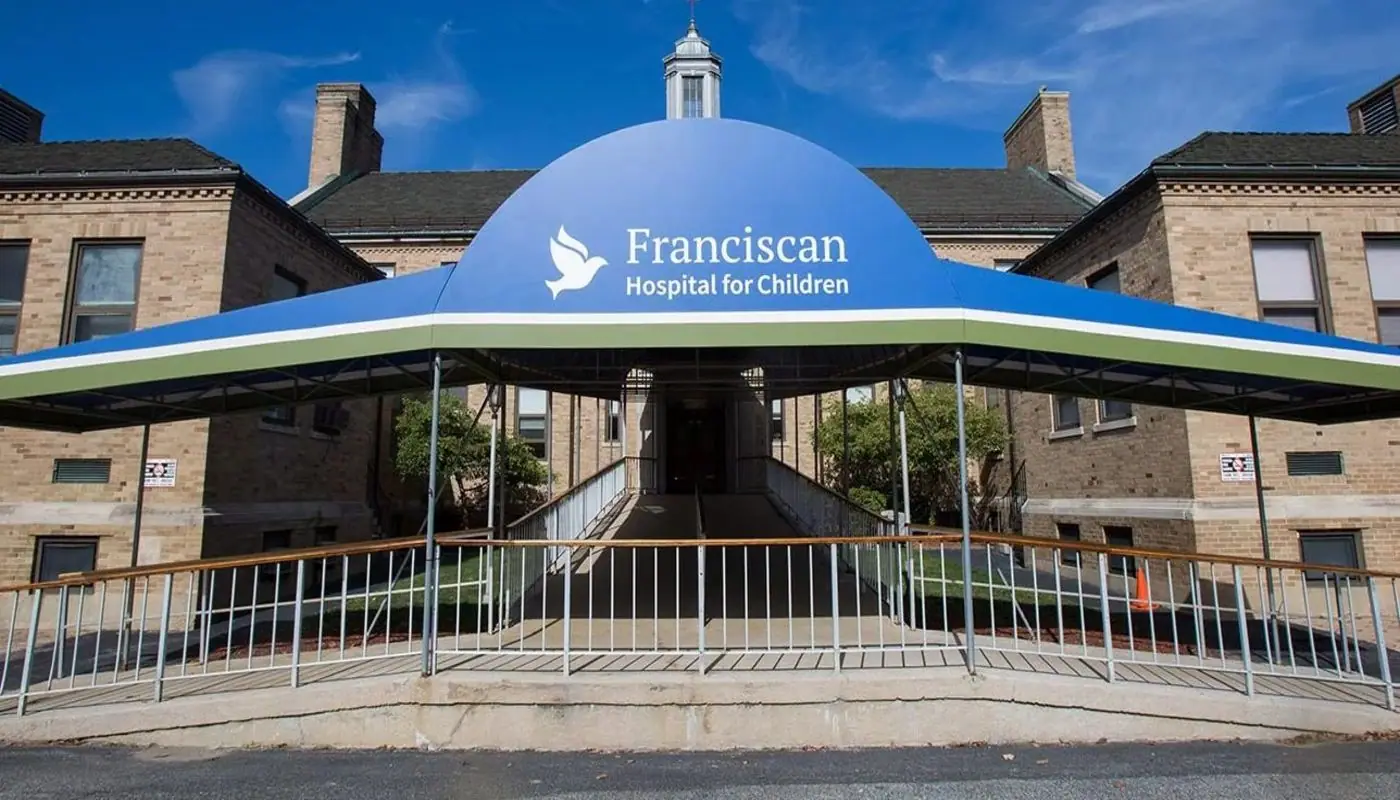
BostonMA
Franciscan Children’s
3.8/5137 Google reviews
Typical stay 50 days
Franciscan Children’s Boston provides outpatient mental health care for young people.
- Outpatient
-
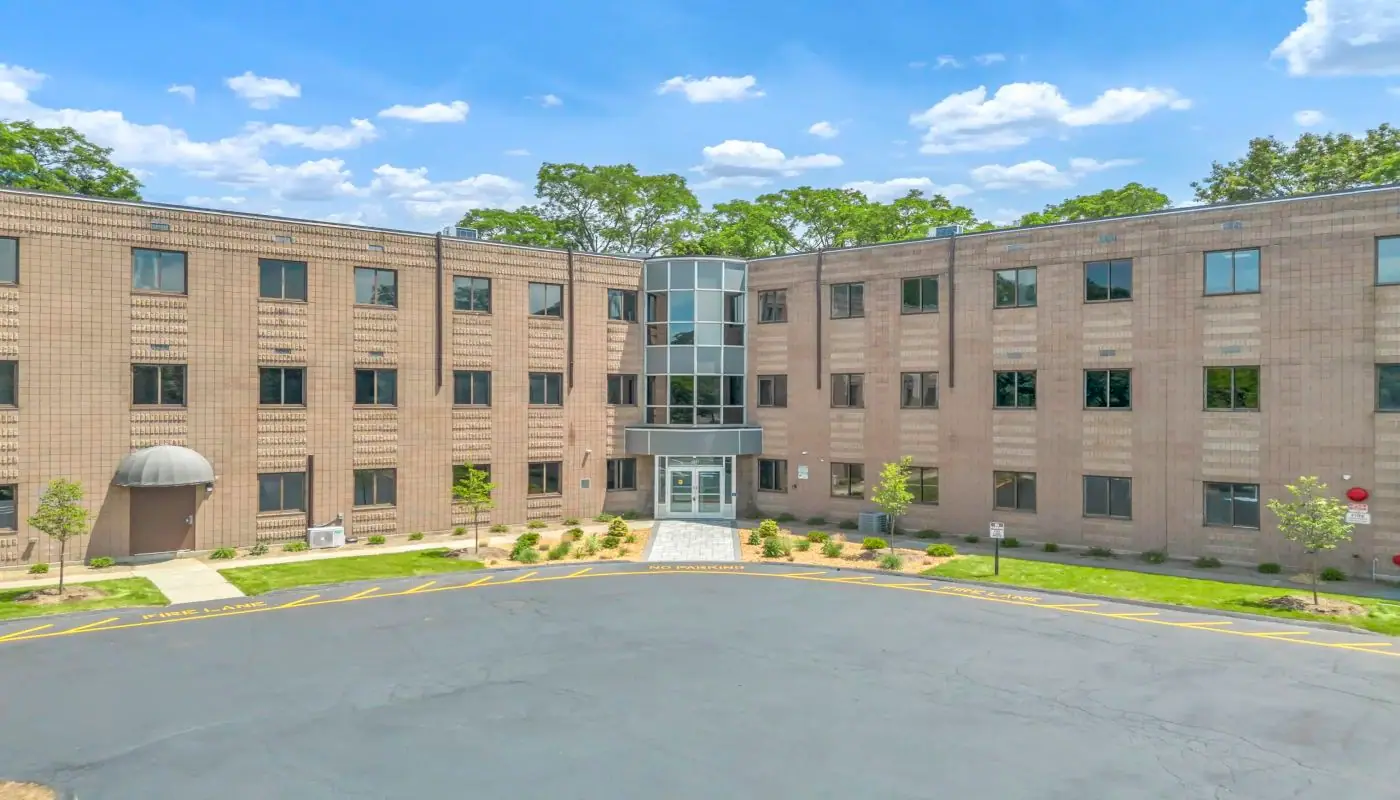
SpringfieldMA
Boca Recovery Center Springfield
4.8/5207 Google reviews
Typical stay 30 days
Boca Recovery Center Springfield serves people facing drug or alcohol problems.
- Detox
- Residential Rehab
- Co-Occurring Mental Health
Joint Commission View center
What goes on when you call us
Real treatment advisors, not a recording, answer the helpline. They work with licensed providers and can discuss options with you. A call costs nothing, stays private, and requires no commitment. They will ask about the substance involved, how long it has been a concern, whether medical or mental health conditions are present, and what insurance or payment options you have. The helpline is free, confidential, and staffed by treatment advisors 24/7. They can walk through levels of care and help you prepare questions for a program.
Admission or coverage isn't something they can promise, and they don't diagnose. What they can do is help you understand what to expect and how to verify that a facility is licensed. When opioids are involved, they can explain how medication-assisted treatment works. Where alcohol or benzodiazepine withdrawal is concerned, they can underline why medical staff should supervise it. If the family member you're calling about isn't ready, they can still help you sort out next steps.

Drug rehab in Massachusetts
Start here: drug rehab in Massachusetts is not a single service but a range of levels. When someone is physically dependent on alcohol or benzodiazepines, medical detox is where care begins. Medical detox at 53 SAMHSA-listed facilities in Massachusetts provides supervised withdrawal management. Quitting alcohol and benzodiazepines can be dangerous so a clinician's oversight matters. After detox, many people move to residential care, and there are 85 inpatient and residential rehab facilities listed. These provide structure and 24-hour support.
Some people do not need residential care but need more than one counseling session a week. Partial hospitalization (PHP) is available at 69 facilities, and intensive outpatient (IOP) at 79. Outpatient rehab, the most flexible option, is offered at 235 facilities across the state. Medication for opioid use disorder can be found at 227 facilities, among them 59 methadone clinics (OTPs) and 227 buprenorphine providers. When a mental health condition exists alongside a substance use disorder, many centers provide dual diagnosis treatment. Massachusetts centers offering dual diagnosis treat both conditions at once. If the right level is unclear, call the helpline and describe the situation.
What drug rehab in Massachusetts treats
The plan for care depends on which substance is involved. Many overdoses involve opioids, especially fentanyl. Hundreds of facilities offer medication for opioid use disorder, such as buprenorphine, methadone, or naltrexone, and 207 facilities provide medications to treat alcohol use disorder. Rehab for alcohol in Massachusetts often combines FDA-approved medications with counseling. Coming off benzodiazepines can be risky and should be overseen by a clinician. Treatment for cocaine and methamphetamine typically focuses on behavioral therapies, because no medications are approved for those drugs.

Paying for drug rehab in Massachusetts
Money is often the biggest worry, and Massachusetts has more options than many families expect. Medicaid is taken at 304 facilities, and more people qualify now that the state adopted Medicaid expansion. Private insurance is accepted at 286 facilities, Medicare at 242, and TRICARE at 190. If you have insurance, most plans generally must cover substance use treatment much as they cover medical care under federal parity law. In Massachusetts, 304 rehab centers accept Medicaid. For those without coverage, 79 facilities use sliding-fee scales and 67 offer payment assistance.
The options don't end there. State insurance is accepted at 253 facilities, and self-pay is an option at 275. There is 1 facility listed as offering free care. The state's block grant funding supports 157 facilities, which can help lower costs. Free and sliding-scale rehab options in Massachusetts include 79 facilities with sliding fees. If you're unsure what your plan covers, the helpline can assist you in asking the right questions. They don't promise coverage, but they can explain what to check.
- take Medicaid
- 304
- take private insurance
- 286
- take Medicare
- 242
- offer a sliding fee
- 79
How to find drug rehab in Massachusetts
- 1
Call the helpline
Talk with a treatment advisor who will ask about the situation and what you are hoping to find. With no pressure, they can walk through levels of care and ways to pay.
- 2
Check your coverage
Ask your insurance plan about substance use treatment benefits. Medicaid, Medicare, and private insurance are accepted at many Massachusetts facilities. The helpline can help you prepare questions.
- 3
Match the level of care
Detox, residential, PHP, IOP, or outpatient—the right choice depends on medical needs, daily obligations, and safety. A clinical assessment usually determines the recommendation.
- 4
Ask about medications and dual diagnosis
If opioids or alcohol are involved, ask whether medications are offered. If there's a mental health condition too, ask about dual diagnosis services. These details matter for ongoing care.
Common questions
What are the intensive residential treatment programs available in Massachusetts?
For Massachusetts, SAMHSA FindTreatment.gov lists 85 inpatient and residential rehab facilities. These programs provide 24-hour structured care, often including counseling, group therapy, and medication management. Some are short-term (around 30 days) while others are longer. Medical needs, insurance, and whether dual diagnosis care is required shape the right fit. The helpline is able to help you identify programs that match.
Does MassHealth cover inpatient rehab?
MassHealth, the state's Medicaid program, is taken at 304 facilities in Massachusetts, many of which offer inpatient or residential care. What is covered depends on medical necessity and the particular program. Because Massachusetts adopted Medicaid expansion, more adults qualify. If you have MassHealth, ask the facility whether it accepts the plan and what prior authorization is required.
How do detox and rehab differ?
Detox is the medical process of clearing substances from the body and managing withdrawal, which can be dangerous for alcohol and benzodiazepines. Rehab refers to the treatment that follows, such as residential or outpatient counseling, medication, and support. In Massachusetts, 53 facilities offer medical detox, and 85 offer residential rehab. Some programs combine both.
Can you involuntarily commit someone in Massachusetts?
Massachusetts has a process under Section 35 for involuntary commitment of someone with a severe substance use disorder, but it is used carefully and typically as a last resort. It requires a court order and a clinical evaluation. The helpline can explain the general process but cannot give legal advice. For immediate danger, call 911 or 988.
Will MassHealth pay for rehab?
MassHealth covers treatment for substance use disorder, and 304 facilities in Massachusetts take Medicaid. Covered care can include detox, residential care, outpatient care, and medications. Certain services need prior authorization. Plans and eligibility differ, so verify details with the facility and MassHealth directly. Our helpline can help you determine which questions to ask.
How long do people spend in rehab?
No single answer works for everyone. Detox generally lasts a few days, and residential rehab can continue from a few weeks to several months. Outpatient programs differ in intensity and duration. How long treatment lasts should reflect the person's needs, their progress, and what insurance covers. SAMHSA notes that longer engagement often produces better results, though care should be matched to the individual.