Partial hospitalization program Massachusetts
A partial hospitalization program offers structured treatment without overnight stays. In Massachusetts, 69 programs are listed as offering this level of care. It can be a step down from inpatient or a step up from weekly therapy.
- programs near Massachusetts
- 69
- take Medicaid
- 56
- take private insurance
- 66
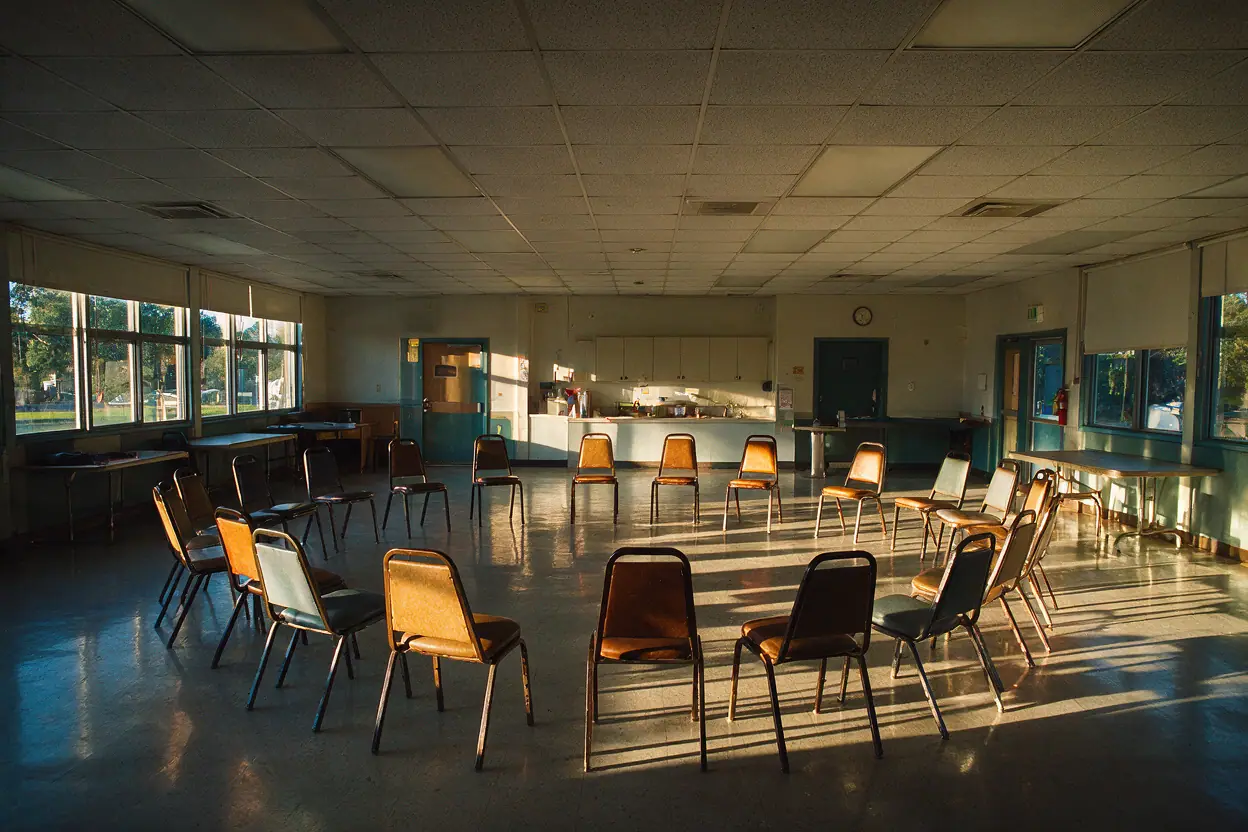
A partial hospitalization program, commonly called PHP, is day treatment for people who need more support than standard outpatient care but no 24-hour supervision. In Massachusetts, PHP programs usually meet a few hours daily a few days weekly. The exact schedule differs by program. Most blend individual therapy, group counseling, medication management, and family involvement. Some programs focus on substance use treatment, others on mental health, and many treat both together. PHP is not a place to detox. If someone needs medical detox from alcohol or benzodiazepines, medical staff should oversee it first, because withdrawal from those substances can be dangerous.
A typical day in a Massachusetts PHP might start with a check-in group, followed by a therapy session, a skills-building workshop, and a midday break. Afternoons often include process groups or educational sessions on topics like relapse prevention or coping with cravings. Some programs offer telehealth options, which can make it easier to attend from home. The structure is designed to help people stabilize and build routines while they continue to live at home or in a sober living environment. Staff typically include licensed clinicians, nurses, and sometimes prescribers who can adjust medications.

Who partial hospitalization is for
- People stepping down from inpatient or residential rehab who need ongoing structure and support before going back to weekly outpatient care.
- Dual diagnosis refers to someone with a mental health condition like anxiety or depression alongside a substance use disorder, and both need care at the same time together.
- Individuals who have tried standard outpatient therapy but need more frequent contact and accountability to make progress.
- People who need medication-assisted treatment, such as buprenorphine or naltrexone, along with counseling and daily structure.
What a PHP involves
- 1
Initial assessment
Before beginning, you will do an assessment with a clinician. This helps decide whether PHP is the appropriate level of care for your circumstances and what type of treatment plan makes sense. The assessment generally covers substance use history, mental health symptoms, and safety concerns.
- 2
Treatment schedule
Most PHP programs meet three to five days a week, for about four to six hours a day. The schedule includes group therapy, individual counseling, and sometimes medication management. Your treatment team will work with you to set goals and adjust the plan as you progress.
- 3
Family involvement
Many programs encourage family members to participate in therapy sessions or educational groups. This can help loved ones understand addiction and mental health conditions and learn how to support recovery. Ask the program about their family program and visiting policies.
- 4
Transition planning
As you near the end of PHP, your team will help you plan the next step, which might be intensive outpatient or standard outpatient care. They may also connect you with community resources and support groups. The goal is to build a plan that supports long-term recovery.

Partial hospitalization program
In Massachusetts, SAMHSA FindTreatment.gov lists 69 facilities that offer a partial hospitalization program. Among them, 56 take Medicaid, 66 take private insurance, and 32 take Medicare. Nine provide a sliding fee scale for those who qualify. Many of these programs also have specialized services: 53 provide dual diagnosis treatment, 30 provide services in Spanish, and 62 provide telehealth. These figures can help you narrow your search, but it is always best to call and confirm current availability and insurance acceptance.
Ask the program whether your insurance is accepted and whether they take part in MassHealth, the state Medicaid program. Because Massachusetts expanded Medicaid, many residents with lower incomes may qualify for coverage that pays for substance use treatment. If you plan to pay out of pocket, ask whether a sliding scale exists. Our helpline can help you sort out which questions to ask and how to verify your benefits. Keep in mind the helpline is free and confidential, and a call does not mean you have to start treatment.

- take Medicaid
- 56
- take private insurance
- 66
- take Medicare
- 32
- offer a sliding fee
- 9
| Provider | City | Levels of care | Takes |
|---|---|---|---|
| Recovery Centers of America | Danvers | Detox, Residential, PHP, IOP, Outpatient, OTP | Medicaid, Insurance |
| Compass Recovery West | West Springfield | PHP, IOP, Outpatient | Medicaid, Medicare |
| Forrest Behavioral Health | Bedford | PHP, IOP, Outpatient | Insurance |
| East Coast Recovery | Cohasset | PHP, IOP, Outpatient | Medicaid, Insurance |
| CREATE Health and Wellness | Concord | Detox, PHP, Outpatient | Medicaid, Medicare, Insurance, Sliding fee |
| Chapters Recovery Center Inc | Danvers | PHP, IOP, Outpatient | Insurance, Sliding fee |
| Balanced Recovery Center | East Longmeadow | PHP, IOP, Outpatient | Medicaid, Medicare, Insurance |
| Counseling Center at Millbury | Millbury | PHP, IOP, Outpatient | Insurance |
| Relief Recovery Center | Falmouth | PHP, IOP, Outpatient | Medicaid, Insurance |
| Compass Recovery | Feeding Hills | PHP, IOP, Outpatient | Insurance |
Paying for a PHP in Massachusetts
Throughout Massachusetts, many insurance plans, including MassHealth and Medicare, pay for partial hospitalization programs, though the details vary. Of the 69 PHP facilities listed, 66 accept private insurance, 56 accept Medicaid, and 32 accept Medicare. Several of them also offer sliding fee scales for people who qualify. Under federal parity rules, most health plans must cover substance use and mental health services on equal terms with medical care. If you are unsure about your plan, call the number on your insurance card and specifically ask about partial hospitalization. Our helpline can also help you find programs that accept your insurance. Nobody should be turned away without learning what their options are.
Common questions
What is a partial hospitalization program in Massachusetts?
A partial hospitalization program in Massachusetts is a structured day treatment program providing several hours of therapy multiple days a week without overnight stays. There are 69 such programs listed in the state. It is often used as a step down from inpatient care or as a more intensive option than standard outpatient therapy, combining group counseling, individual therapy, and medication management.
Does MassHealth cover partial hospitalization programs?
Yes, MassHealth, which is the state's Medicaid program, covers partial hospitalization programs in Massachusetts. Among the 69 PHP facilities listed, 56 accept Medicaid. Coverage details can differ from plan to plan, so it's important to check with the specific program and your MassHealth plan before treatment begins. Our helpline can help you understand what questions to ask about coverage.
How do detox and rehab differ?
Detox is the medical process of clearing substances from the body, which can require medical supervision for safety, especially for alcohol or benzodiazepines. Rehab, including partial hospitalization, is the ongoing treatment and therapy that follows detox. In Massachusetts, 53 facilities offer medical detox and 69 offer PHP. PHP is not a substitute for detox if you need medical monitoring.
How long does a partial hospitalization program last?
The length of a partial hospitalization program varies based on individual needs and progress. Most programs are designed to last several weeks, but some may be shorter or longer. Your treatment team will regularly review your progress and adjust the duration as needed. The goal is to provide enough support without keeping you in treatment longer than necessary. Ask the program about their typical duration.
Can I work or go to school while in a PHP?
You may be able to work or attend school while in a partial hospitalization program, though that hinges on the program's schedule and your own circumstances. PHP typically involves several hours daily, several days weekly. Some programs offer evening or telehealth options for more flexibility. Among the 69 PHP facilities, 62 provide telehealth. Discuss your schedule with the program.
How do I find a PHP in Massachusetts that accepts my insurance?
Begin by calling the helpline, which can connect you with treatment advisors who help find programs that accept your insurance. In Massachusetts, 66 of the 69 PHP facilities accept private insurance and 56 accept Medicaid. You can also call your insurer directly and ask for a list of in-network PHP providers. The call is free and remains private and it commits you to nothing.