Rockland Recovery Franklin Braintree
Rockland Recovery Franklin Braintree is a Massachusetts rehab in the SAMHSA listings. The center has 31-50 beds and Joint Commission accreditation. This page covers its programs, setting and payment, and how our helpline helps you check details.
Joint CommissionDetoxCo-Occurring Mental Health30 days
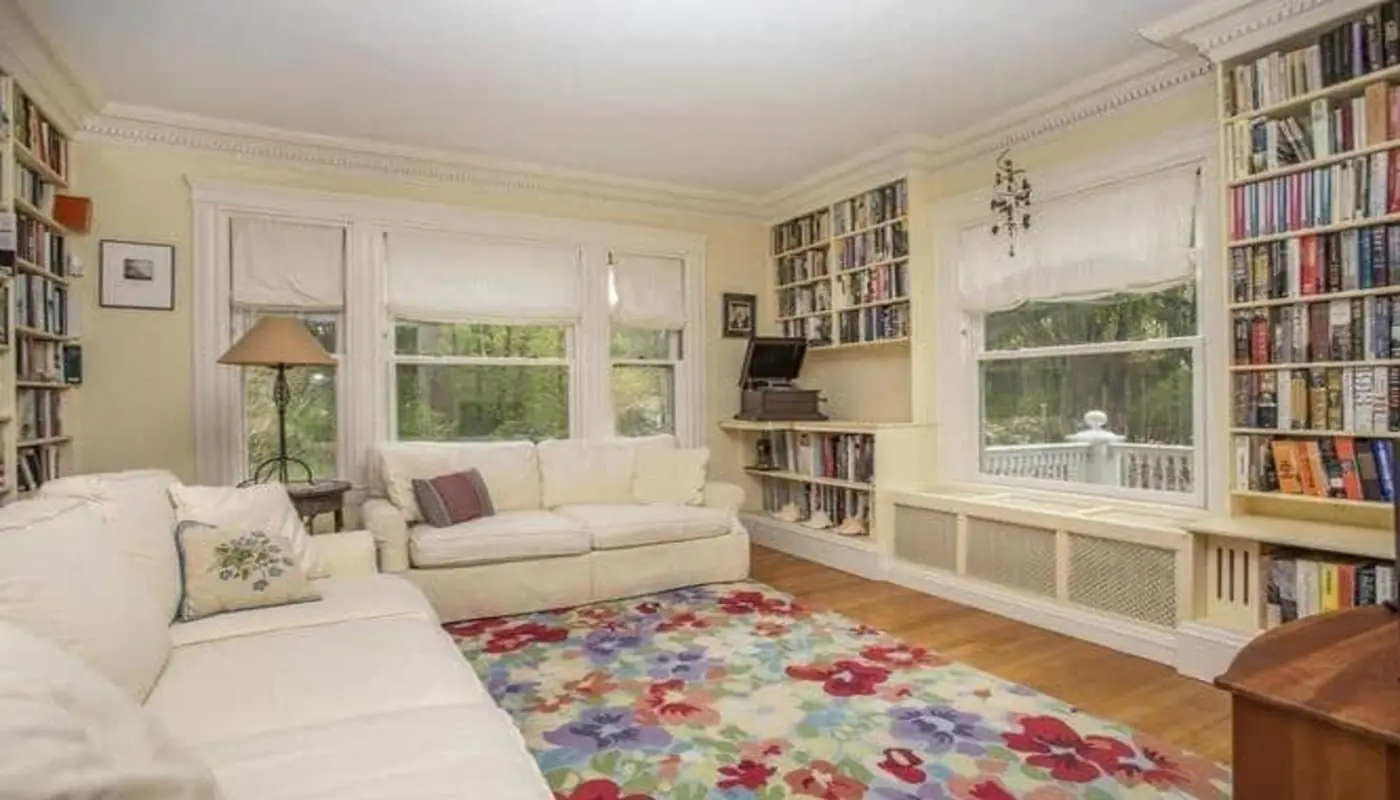
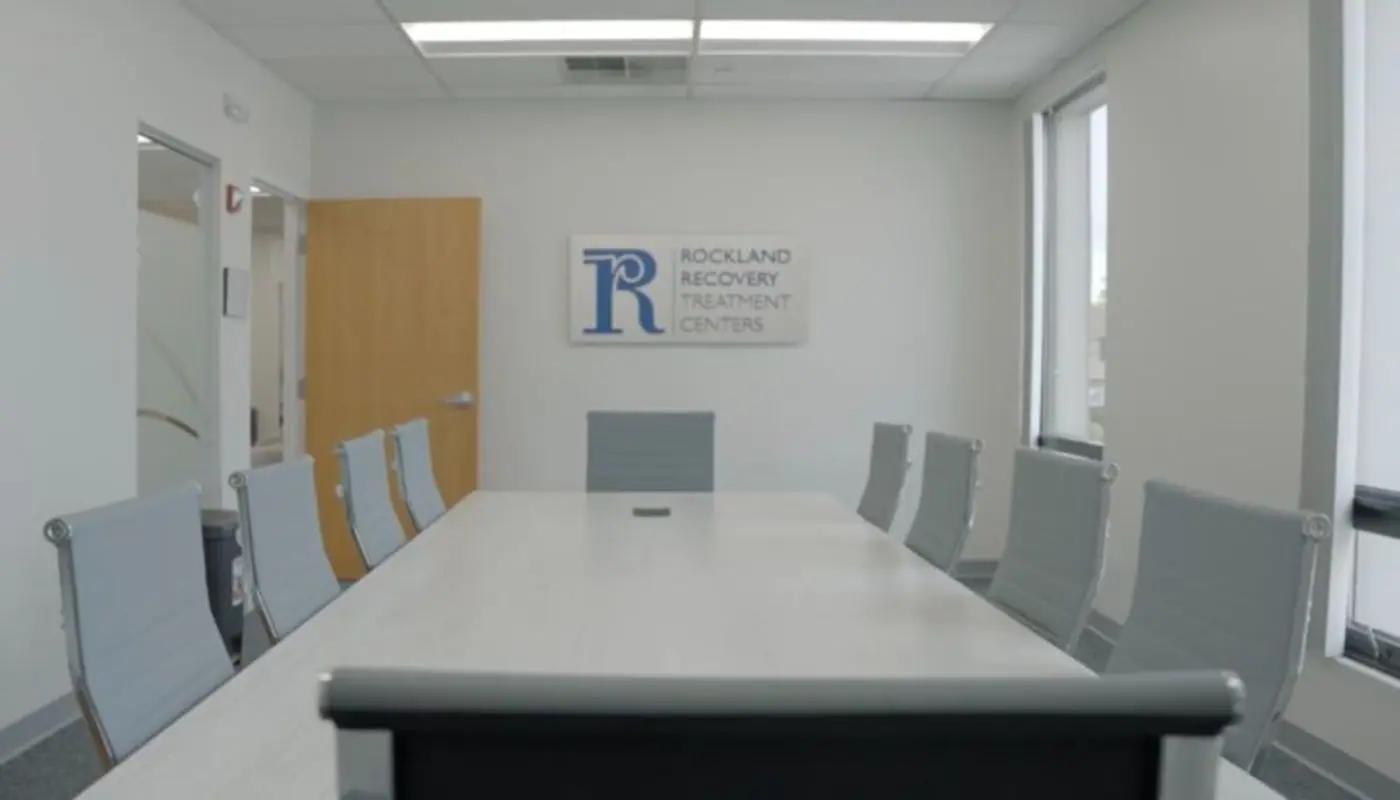
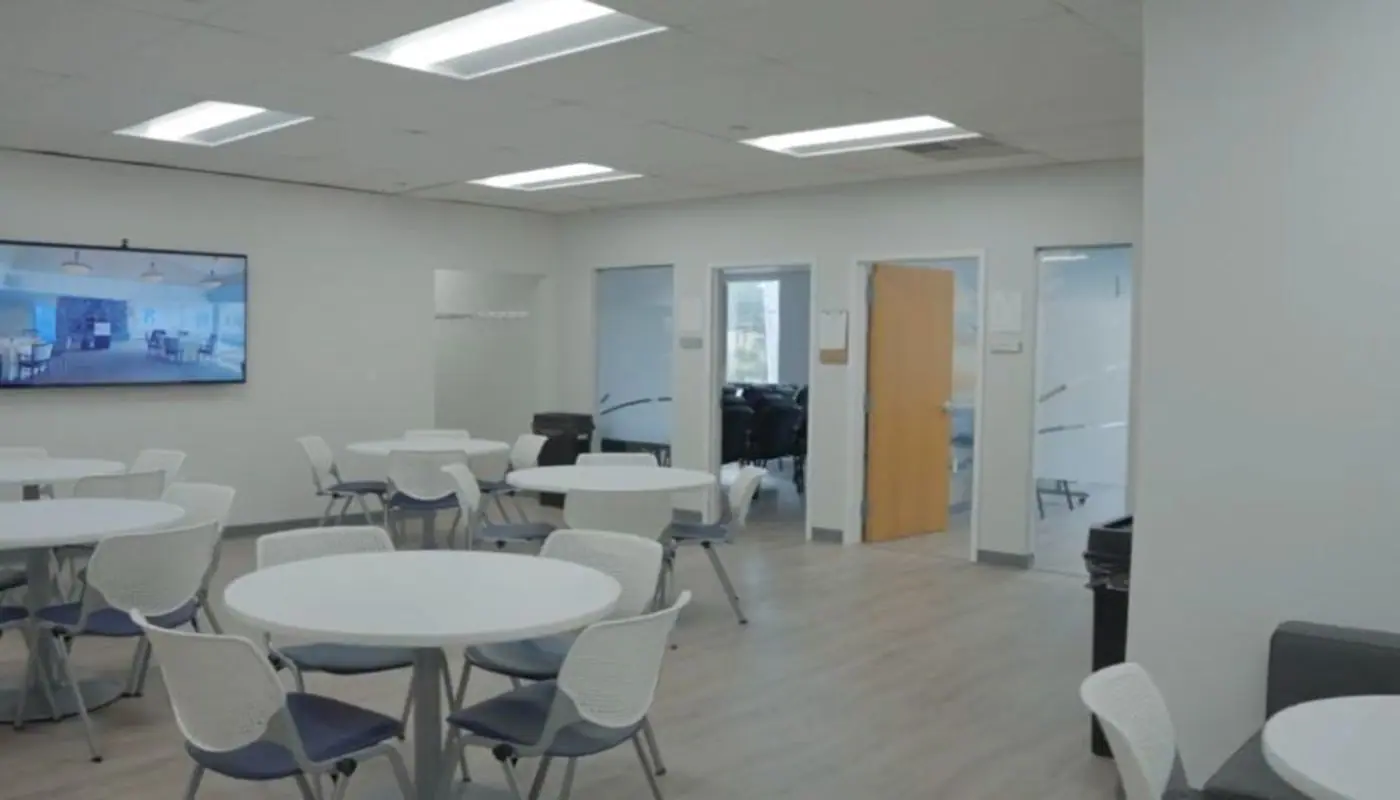
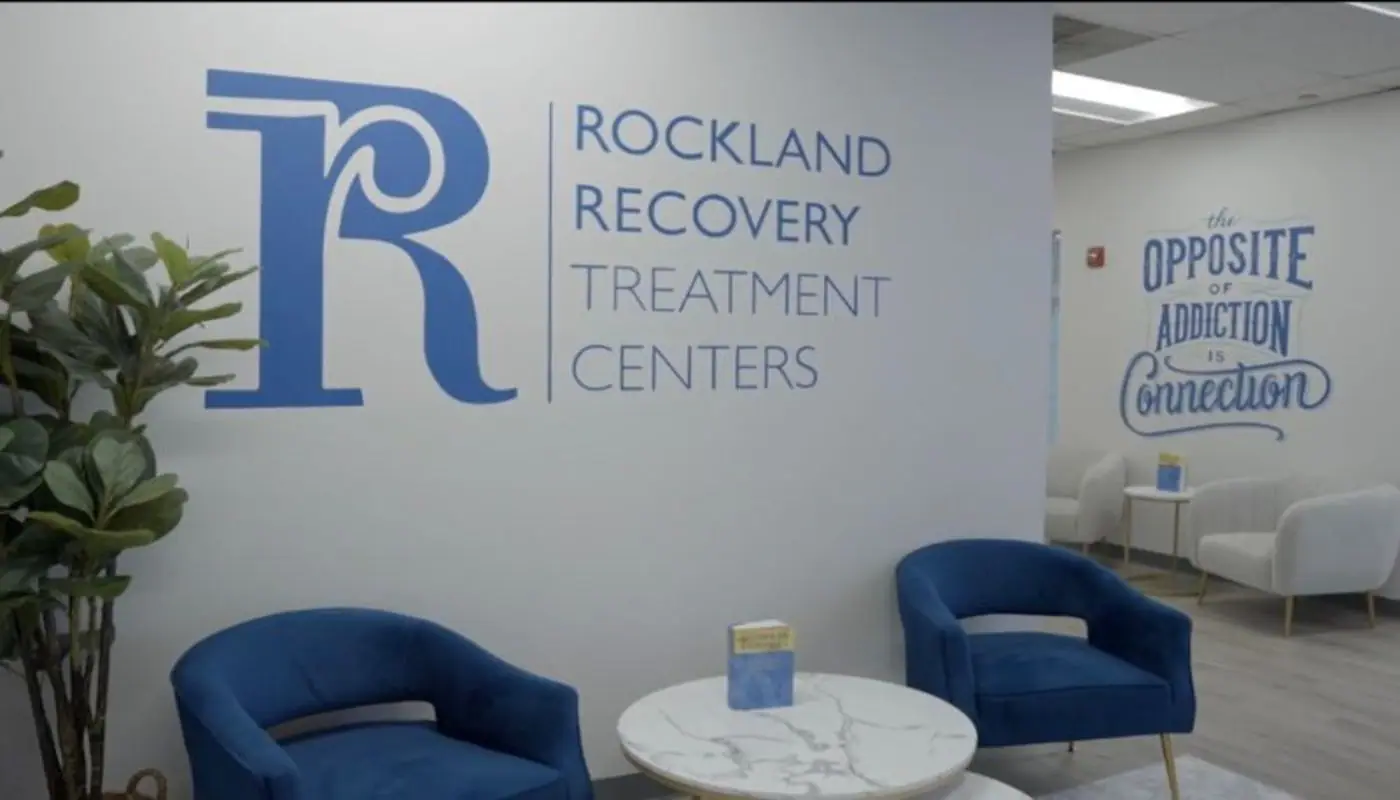
Rockland Recovery works with men and women facing substance use disorders that travel alongside mental health conditions, and it treats both at the same time rather than one after the other. Some groups are shared and some are gender-specific, so families can ask which format fits the person they are calling about. Treatment plans are built around the individual, with 12-Step work woven together with evidence-based therapy and holistic practices.
For people stepping down from around-the-clock care, or for those who need structure without leaving home, the center runs day treatment with a housing component and intensive outpatient programming on day and evening schedules. It also keeps gender-specific sober living residences for people rebuilding routines. Families are included through a component that meets every other week.
Rockland Recovery Franklin Braintree
Detox is one of the center's two listed care options, and mental health conditions that occur alongside addiction is the other. When someone drinks heavily or uses benzodiazepines daily, then stopping abruptly can be physically dangerous, which is why withdrawal is safer with a clinician watching rather than attempted at home. Detox and co-occurring care at this Joint Commission accredited Massachusetts rehab means medical monitoring and mental health support can share the same plan.
Therapy is delivered one-on-one and in groups, with cognitive behavioral therapy as a core approach alongside the 12 Steps. The center also lists acupuncture, art therapy, body image therapy, couples counseling, meditation and mindfulness, and transcranial magnetic stimulation. Day treatment runs up to six hours a day about six days a week, while the intensive outpatient option is typically about three hours per session, three to four days weekly. Aftercare includes relapse prevention planning, drug screening and follow-up sessions.
- Mindfulness Therapy
- Transcranial Magnetic Stimulation
- Couples Counseling
- Body Image Therapy
- Twelve Step
- Cognitive Behavioral Therapy
- Individual Treatment
- Evidence-Based
- Acupuncture
- Art Therapy
Who this Massachusetts program serves
- Adults of all genders, with both shared and gender-specific options
- Men and women with mental health conditions that occur alongside addiction and substance use disorders
- Young adults, midlife adults, and pregnant women
- People with conditions such as depression, bipolar disorder, PTSD, trauma, anger and ADHD
- People with mild disabilities who need a supported setting
- LGBTQ+ individuals seeking affirming care
Setting, length of stay and daily life
The bulk of people stay about 30 days and the center has between 31 and 50 beds. A typical 30 day stay at this Franklin Braintree center gives loved ones a rough timeline for planning, although clinical needs can shift it. Bedrooms have air conditioning, private bathrooms and desks, and phones and laptops may be used outside of session hours. Amenities include meals prepared by a chef, a fitness center, a wellness center, a basketball court, a hot tub and nearby nature, and the schedule lists AA and NA meetings, yoga, games and movies. Services are delivered in English.
- Business Center
- Internet
- Hot Tub
- Wellness Center
- Chef-prepared Meals
- Fitness Center
- Basketball Court
- Internet Access
Paying for care at a Massachusetts rehab
The center lists self-pay rates, and questions about cost are answered best by the center itself. Verify insurance coverage before admission at this Massachusetts rehab by phoning the center with your plan information, since coverage hinges on your own policy and our helpline can never promise it. If you intend to use insurance, ask which plans the center takes and what your portion would be; if you have no coverage, ask about the cash pay rates. The helpline can help you get that conversation started and check whether space is available.
What to raise with this location
- Does my insurance plan cover detox and the day treatment program here, and what will I owe?
- How does the team decide between detox, day treatment and intensive outpatient care?
- What does clinician oversight of withdrawal look like during the first days?
- Which sober living residences have openings, and what are the house expectations?
- How does the every-other-week family component work, and who can attend?
More centers to consider
-
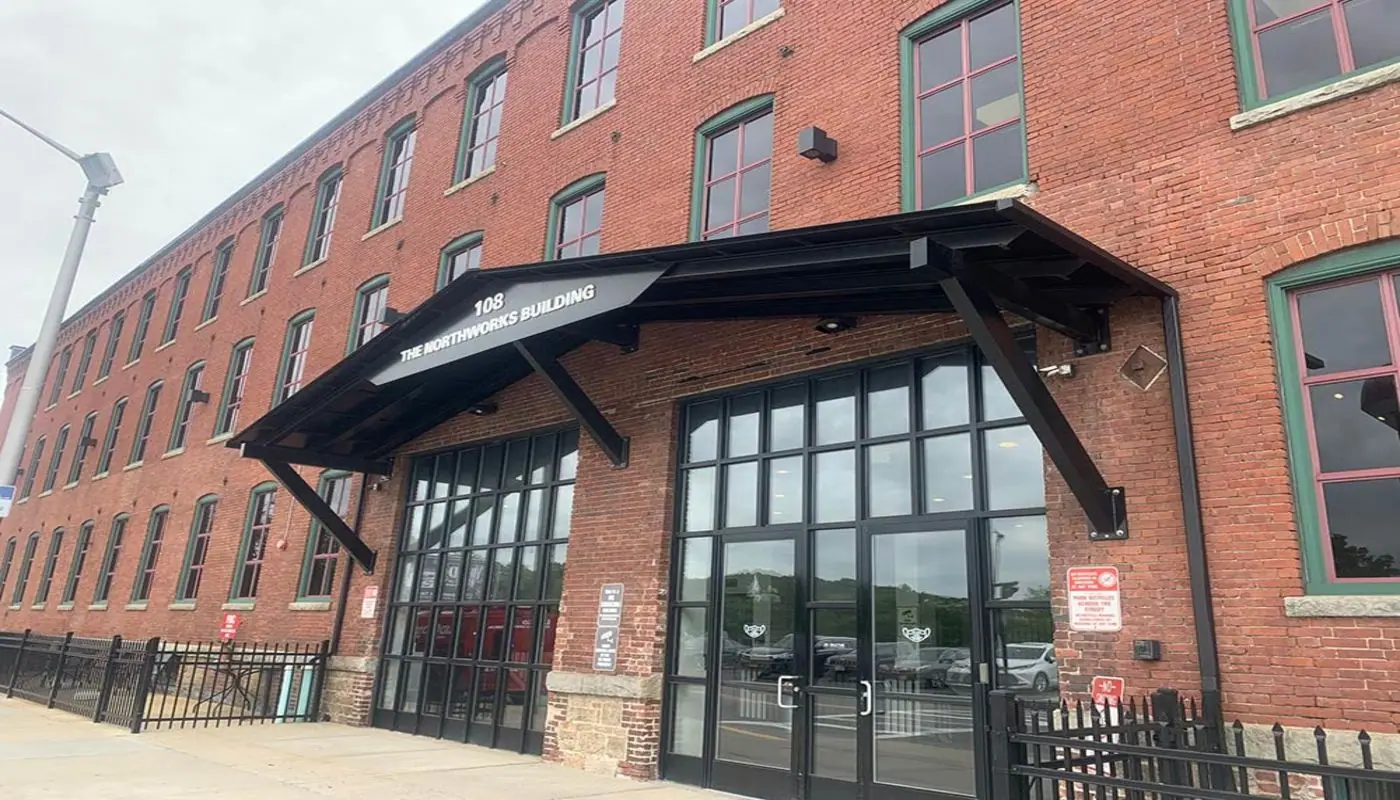
WorcesterMA
Eleanor Health Worcester Massachusetts
4.6/541 Google reviews
Typical stay 5 days
Eleanor Health Worcester Massachusetts runs an outpatient clinic at 108 Grove St.
- Outpatient
-
StoughtonMA
The Healing Center
5.0/580 Google reviews
Typical stay 28+ days
Outpatient care for substance use and for mental health conditions that occur alongside addiction is provided at The Healing Center Stoughton.
- Outpatient
- Co-Occurring Mental Health
Joint Commission View center
-
StockbridgeMA
Austen Riggs Center
3.8/518 Google reviews
Typical stay 30 days
Austen Riggs Center in Stockbridge provides outpatient mental health care for adults.
- Outpatient
Joint Commission View center
-
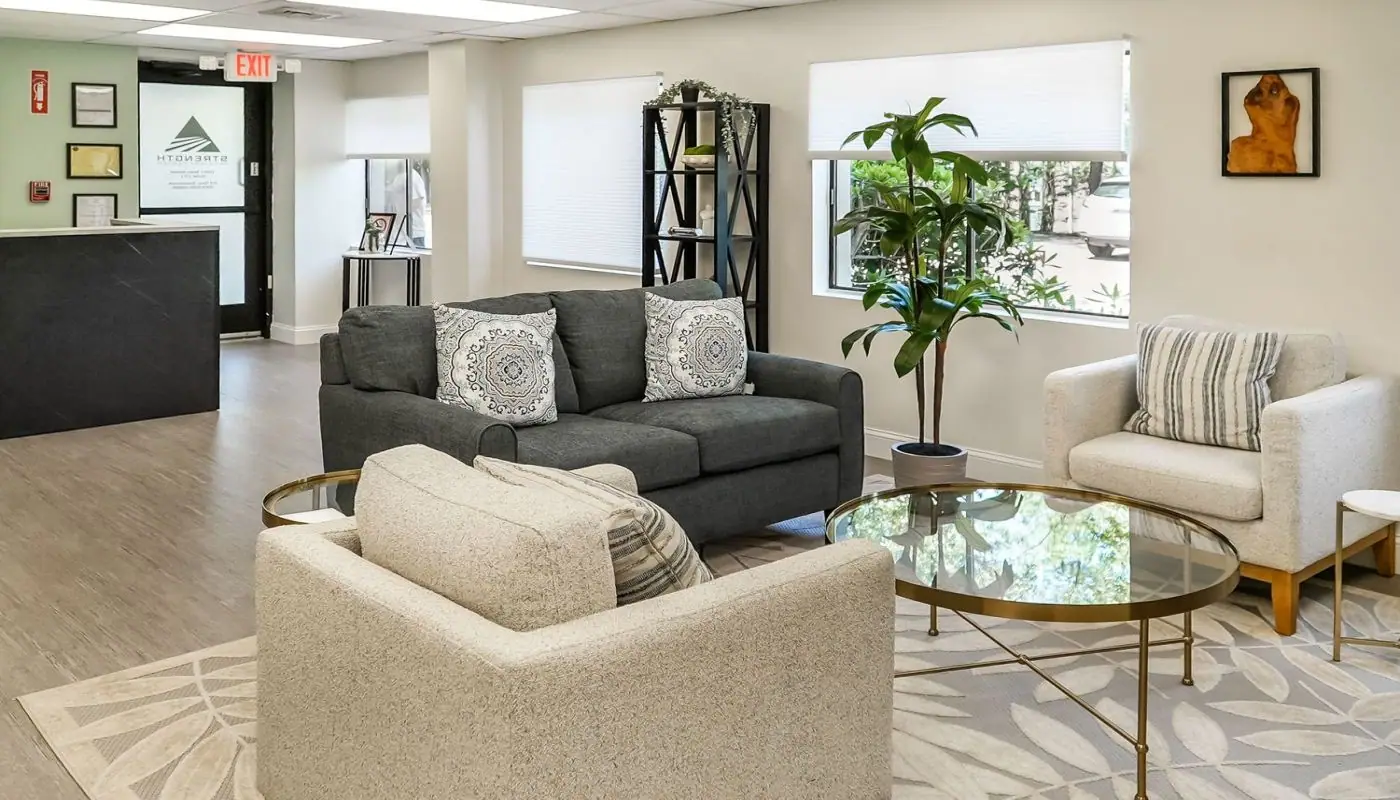
WeymouthMA
Strength Recovery Center
5.0/528 Google reviews
Typical stay 60 days
Strength Recovery Center Weymouth is an outpatient facility at 1221 Main St.
- Outpatient
-
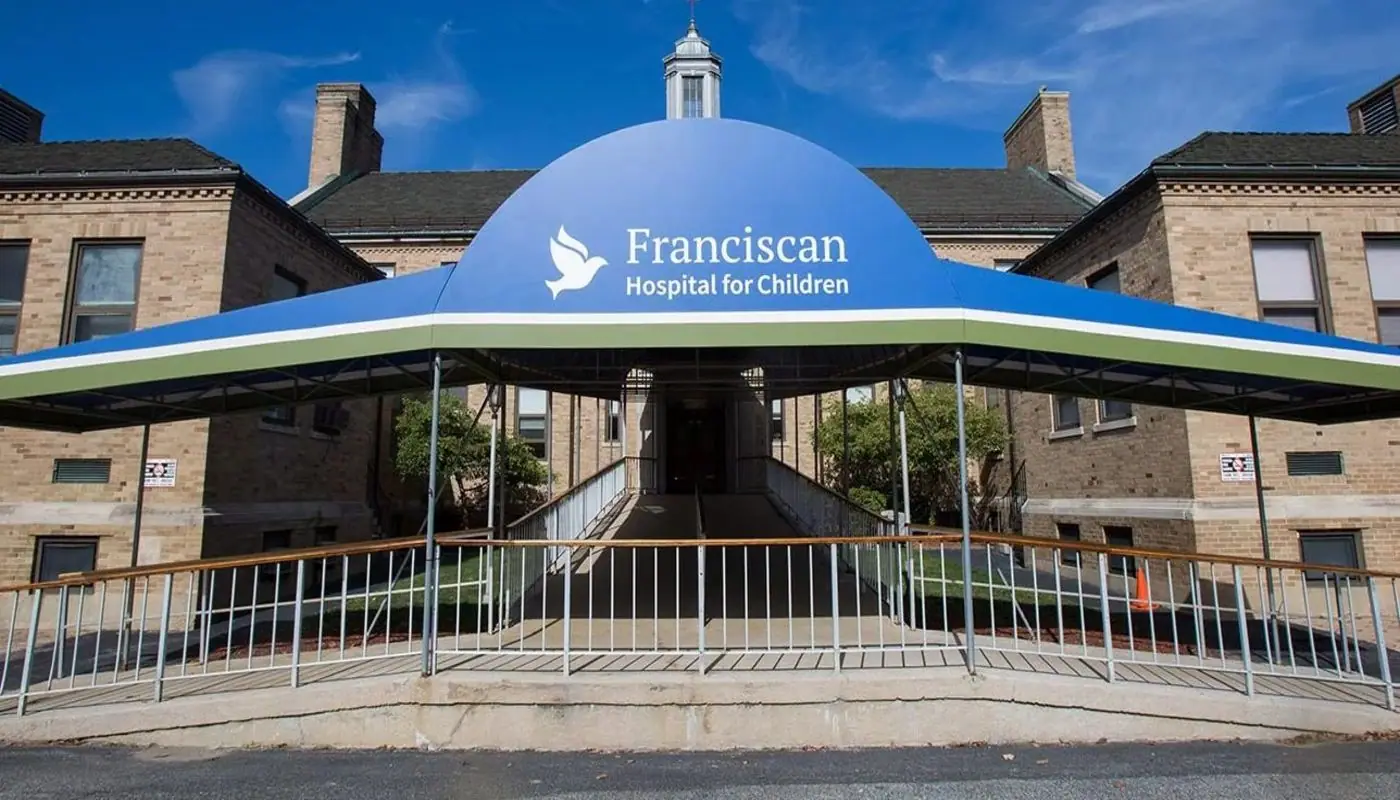
BostonMA
Franciscan Children’s
3.8/5137 Google reviews
Typical stay 50 days
Franciscan Children’s Boston provides outpatient mental health care for young people.
- Outpatient
-
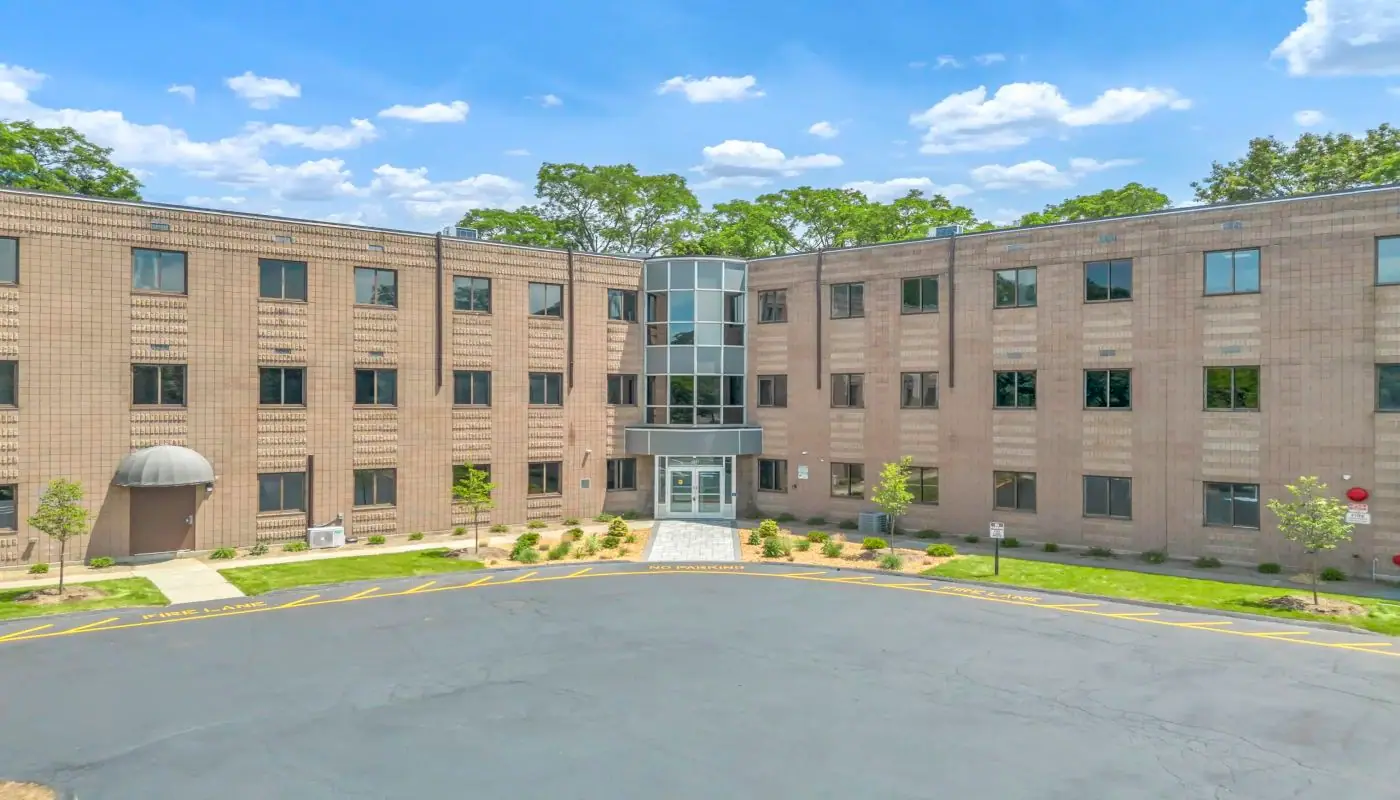
SpringfieldMA
Boca Recovery Center Springfield
4.8/5207 Google reviews
Typical stay 30 days
Boca Recovery Center Springfield serves people facing drug or alcohol problems.
- Detox
- Residential Rehab
- Co-Occurring Mental Health
Joint Commission View center
Common questions
What is the difference between detox and rehab at Rockland Recovery Franklin Braintree?
Detox is the medically monitored period when a substance clears the body, and it is one of the two care options this center lists. Rehab is the structured treatment that follows, such as day treatment at up to six hours a day or intensive outpatient sessions of about three hours. A clinician can say which level fits a particular person, and anyone dependent on alcohol or benzodiazepines should have withdrawal overseen rather than attempted alone.
Will MassHealth pay for rehab at this center?
Out-of-pocket rates, and this page does not name the insurance plans it takes. For questions about MassHealth, contact the center directly and verify your own coverage before planning anything. Advisors on our helpline can help you prepare those questions; the call stays private, costs nothing, and talking with us commits you to nothing. Coverage and admission always rest with the provider and your plan.
What is the average length of stay at this center?
The typical program length listed for Rockland Recovery is 30 days, with 31-50 beds at the site. Day treatment runs up to six hours daily about six days a week, and the intensive outpatient option is around three hours per session, three to four days weekly. Actual length depends on clinical need, so ask during the intake call what a realistic timeline looks like.
Can you involuntarily commit someone in Massachusetts?
Massachusetts has a process under Section 35 for court-ordered treatment, and families often ask about it when a loved one refuses care. The decision belongs with a court and clinicians, not with this center or our helpline, so it is worth asking a licensed provider what alternatives exist first. In many cases a voluntary conversation about detox or outpatient care is the easier starting point. SAMHSA-listed facilities can explain their intake process by phone.
What are the intensive residential treatment programs available in Massachusetts?
Intensive residential programs vary in length and structure. Rockland Recovery lists day treatment with a housing component and gender-specific sober living, plus a typical stay of 30 days, but it does not describe itself as an intensive residential program in the information on this page. There are 326 SAMHSA-listed facilities in Massachusetts, and our helpline can help you compare options.