McLean Arlington Campus Arlington
McLean Arlington Campus Arlington is a residential rehab for young people on Claremont Avenue. This Massachusetts center offers a typical stay of about 30 days for children and teens. The helpline can help families ask about availability and insurance.
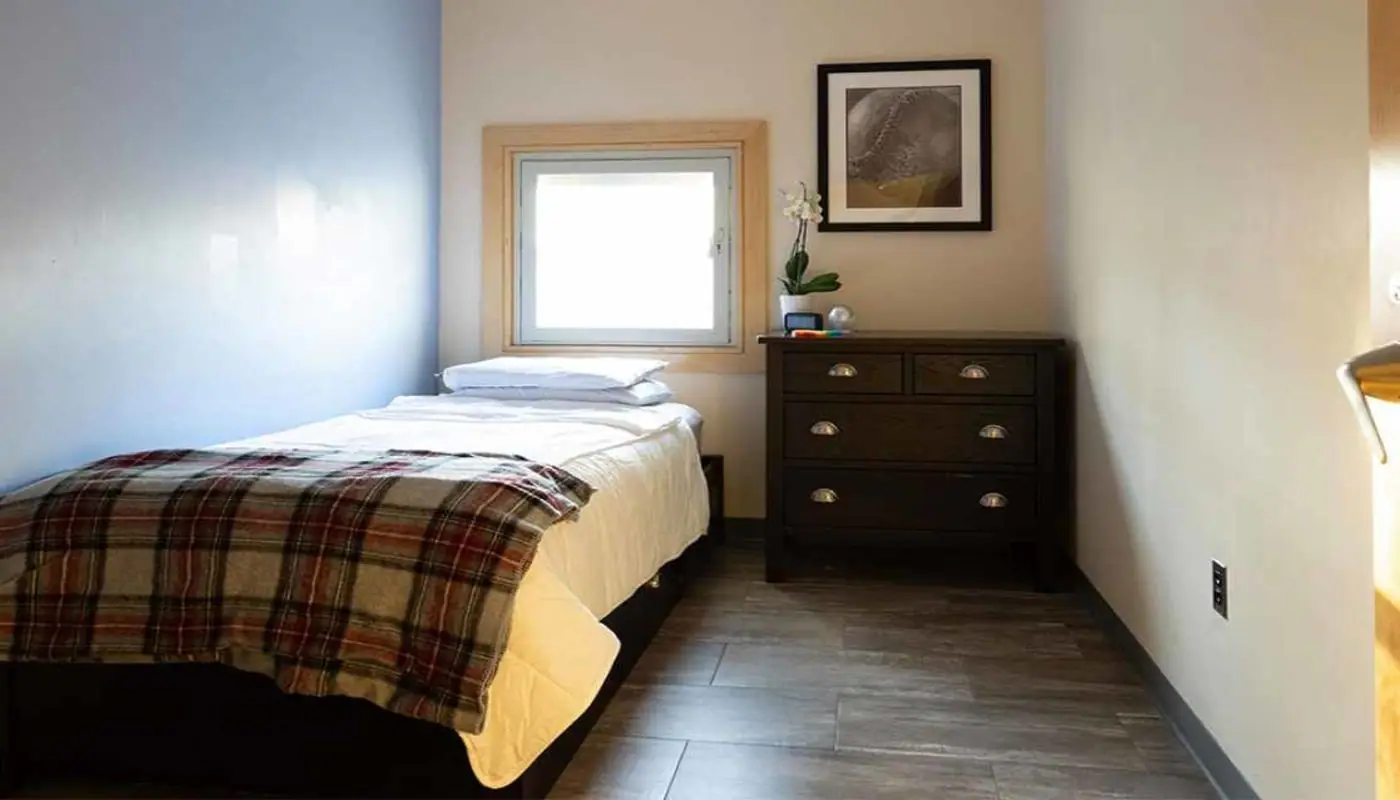
Residential Rehab30 days
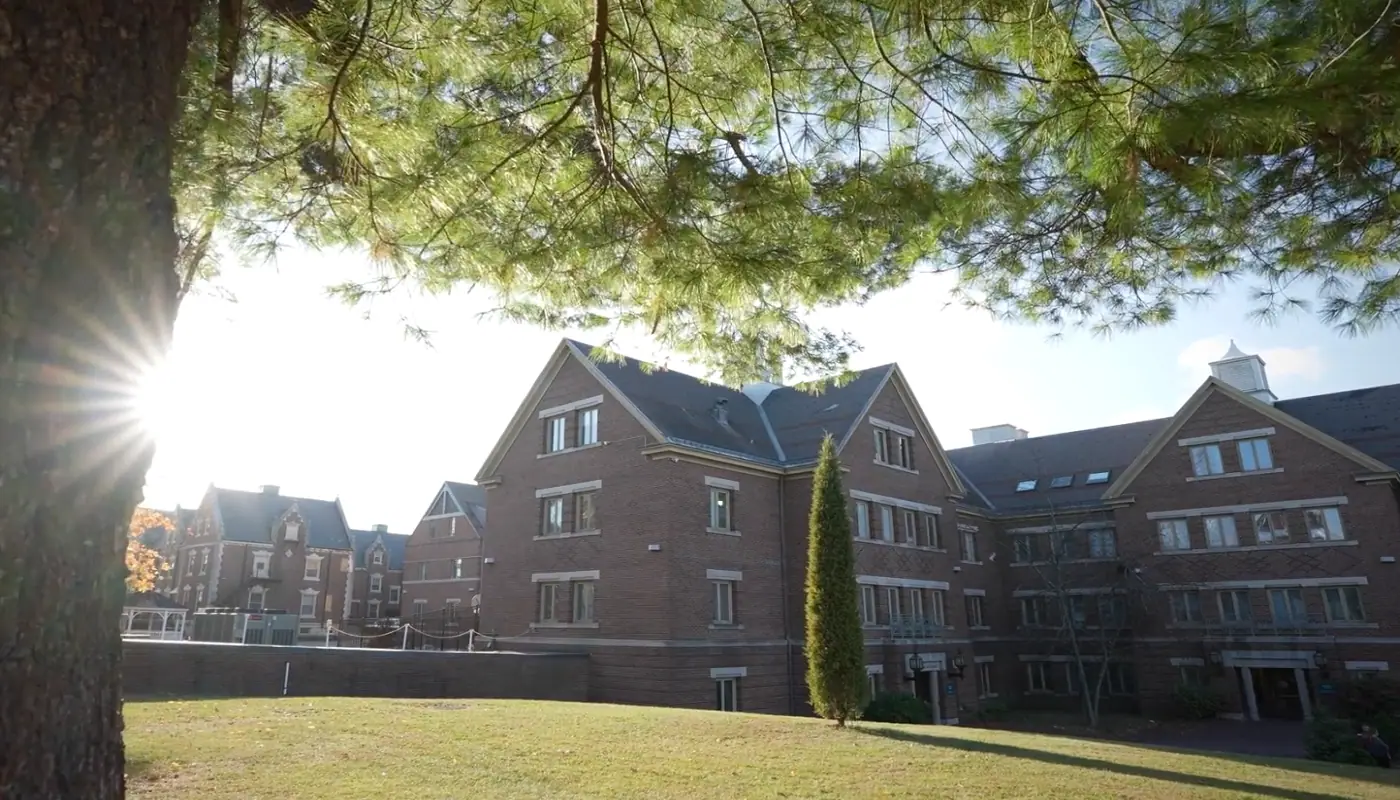
On Claremont Avenue in Arlington, McLean Arlington Campus is a residential program for children and teenagers. It appears in the SAMHSA FindTreatment.gov listings as a Massachusetts treatment center. The facility dates to 1811 and offers supervision and care at all hours, which means families are not facing severe psychiatric symptoms by themselves at home.
The program leans heavily on dialectical behavior therapy, or DBT, delivered through the center's 3East model. Young people practice handling intense emotions, communicating in relationships, and tolerating distress. A structured daily routine combines group and individual sessions, mindfulness activities, and skills coaching, with family training and multi-family therapy woven in.
Age-specific tracks exist, including an outpatient option for pre-teens starting at age 8. Residents may join community outings and recreation to try new skills in everyday settings. The center also offers aftercare such as continuing care, employment counseling, medication assistance, and mentoring or peer support.
McLean Arlington Campus Arlington
Massachusetts families exploring dual diagnosis rehab centers in Arlington will find this campus combines psychiatric treatment with organized therapy. According to listings, there is a single level of care: residential rehab, and a typical program lasts roughly 30 days. Young people live on campus and receive therapy and support around the clock. Before making plans, families should call to confirm the present length of stay and what each day involves.
Care options offered include group therapy cognitive behavioral therapy family therapy dialectical behavior therapy, individual counseling, psychoeducation, mindfulness therapy, and life skills training. The program calls itself evidence-based and trauma informed, and it names family involvement and individual treatment as central approaches. Aftercare may involve continuing care, job counseling, help with medications, and mentoring or peer support.
When a child has both a mental health condition and significant behavioral concerns, then a program that treats the whole picture may fit better than a single-focus rehab. This center treats conditions such as anxiety, bipolar disorder, depression, eating disorders, post-traumatic stress disorder, schizophrenia, self-harm, suicidality, and trauma. Residential rehab in Massachusetts for children and teens often means a 30-day stay, so it helps to ask how discharge dates are set.
- Trauma Informed
- Cognitive Behavioral Therapy
- Evidence-Based
- Life Skills
- Psychoeducation
- Mindfulness Therapy
- 1-on-1 Counseling
- Family Therapy
- Group Therapy
- Family Involvement
Who this Arlington center serves
- Children and adolescents, including boys and girls
- Young people with depression or anxiety
- Teens working through trauma or post-traumatic stress
- Residents with bipolar disorder or schizophrenia
- Adolescents with eating disorders or self-harm concerns
- Pre-teens from age 8 in a specialized outpatient option
Setting, time in care, and languages
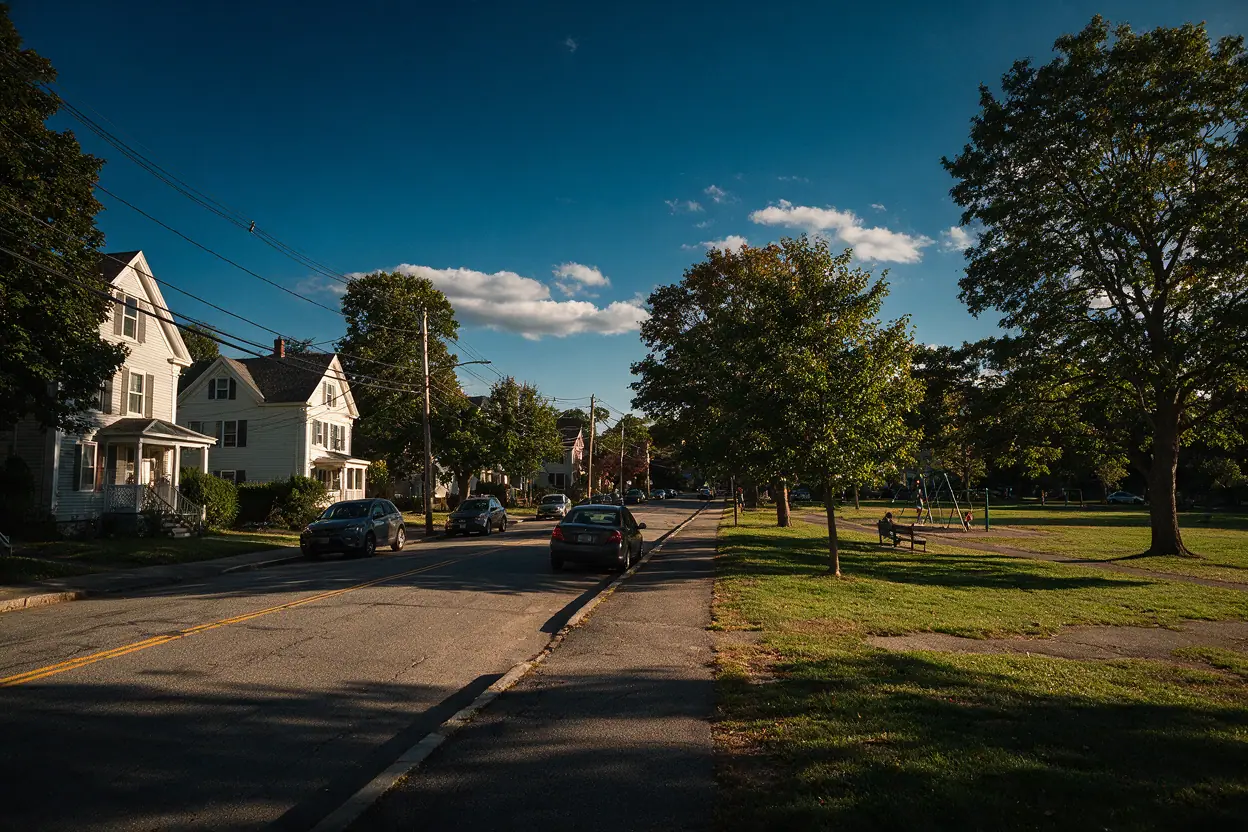
When you are looking for a Massachusetts rehab that takes children and teens, the environment and daily structure count as much as the therapy. Listings indicate a typical stay of roughly 30 days, air-conditioned rooms, and services offered in English. The campus is in a quiet residential area of Arlington, accessible by bus, and residents may take part in community outings and recreational activities. Because the daily schedule is structured and supervision is provided at all hours, families should ask how often visits and calls are permitted.
Paying for care at McLean Arlington
Reaching the helpline puts you in touch with a trained advisor who can help you ask what paperwork is required and which insurance plans the center accepts. As its private pay option, the center lists cash pay rates. Families in Massachusetts may also want to ask about MassHealth, the state Medicaid program, though coverage depends on the plan and level of care. The helpline call is private, has no cost, and comes with no commitment.
What to raise before you enroll
- Which insurance plans and MassHealth products do you accept, and what will our family owe?
- How long is the usual stay and how is a discharge date decided?
- How often can parents visit or call, and how are family sessions scheduled?
- What happens if my child needs medical or psychiatric care beyond this program?
- What aftercare is arranged before discharge, and who coordinates it?
- How does the center handle dual diagnosis, and what therapies are used for my child's condition?

More centers to consider
-
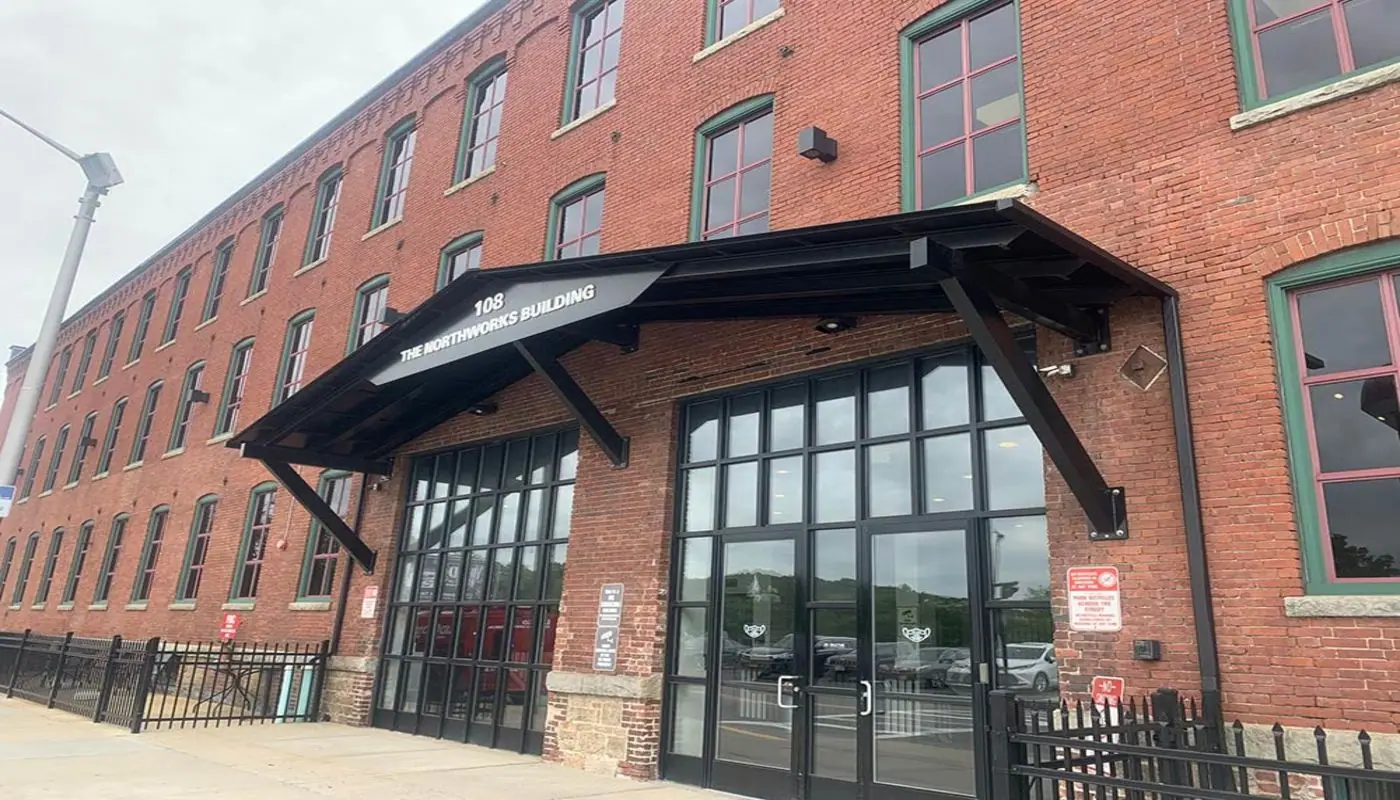
WorcesterMA
Eleanor Health Worcester Massachusetts
4.6/541 Google reviews
Typical stay 5 days
Eleanor Health Worcester Massachusetts runs an outpatient clinic at 108 Grove St.
- Outpatient
-

StoughtonMA
The Healing Center
5.0/580 Google reviews
Typical stay 28+ days
Outpatient care for substance use and for mental health conditions that occur alongside addiction is provided at The Healing Center Stoughton.
- Outpatient
- Co-Occurring Mental Health
Joint Commission View center
-
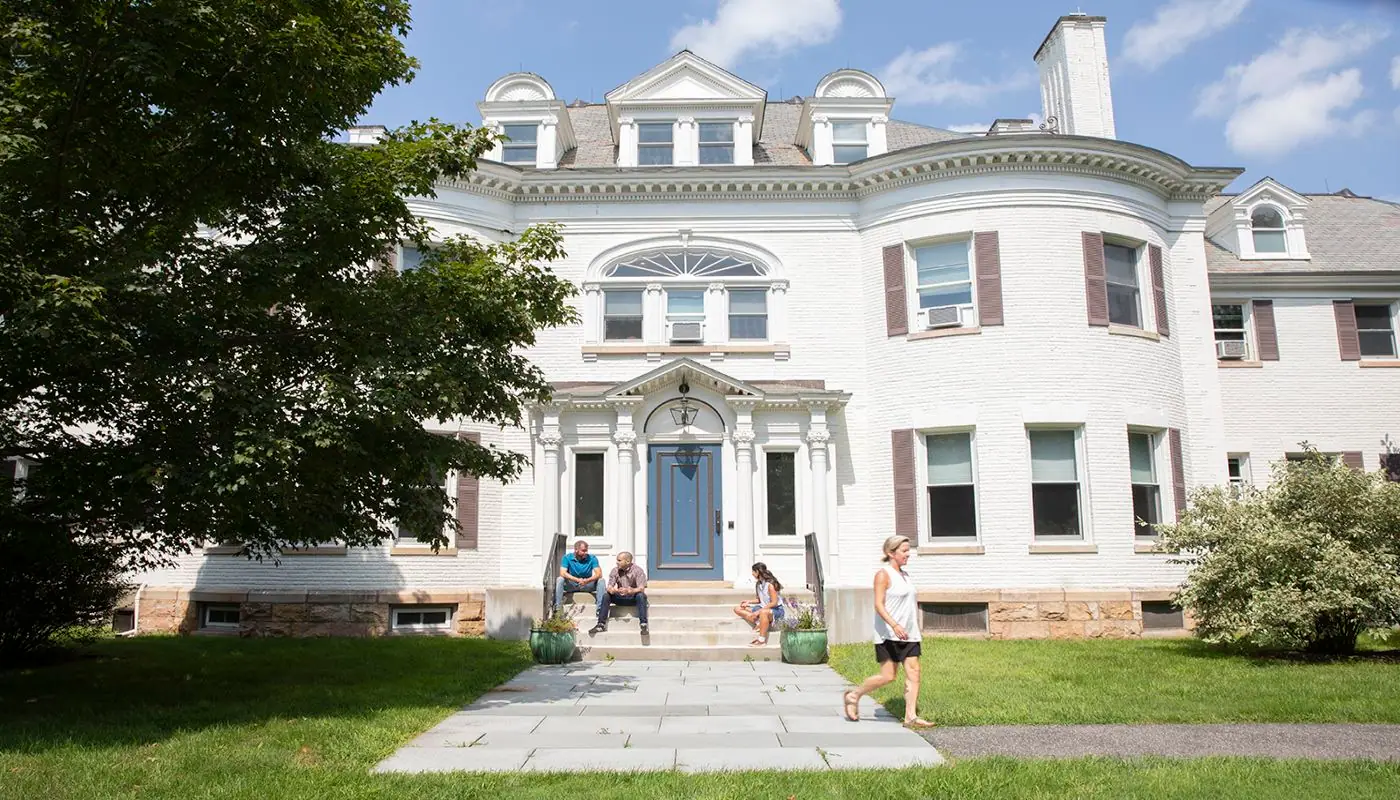
StockbridgeMA
Austen Riggs Center
3.8/518 Google reviews
Typical stay 30 days
Austen Riggs Center in Stockbridge provides outpatient mental health care for adults.
- Outpatient
Joint Commission View center
-
WeymouthMA
Strength Recovery Center
5.0/528 Google reviews
Typical stay 60 days
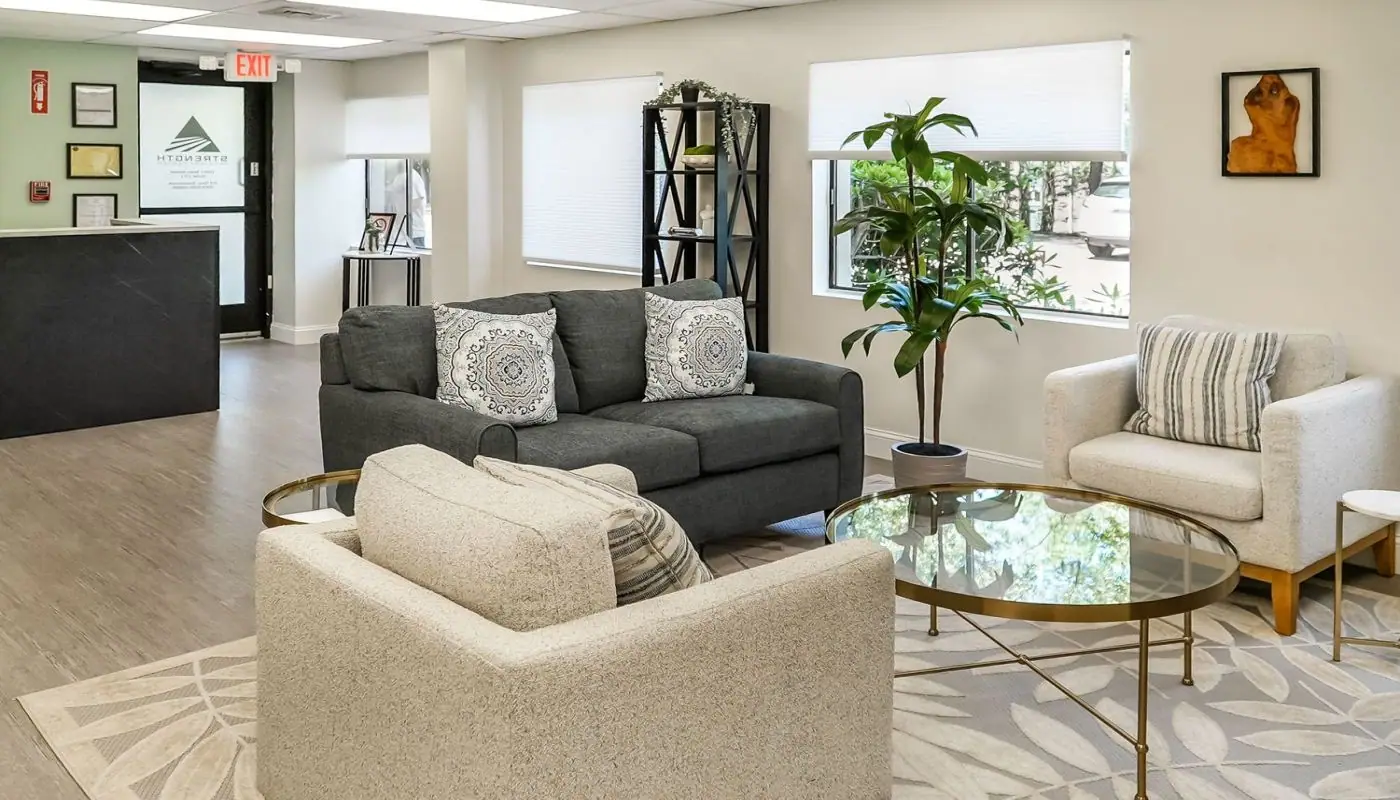
Strength Recovery Center Weymouth is an outpatient facility at 1221 Main St.
- Outpatient
-
BostonMA
Franciscan Children’s
3.8/5137 Google reviews
Typical stay 50 days
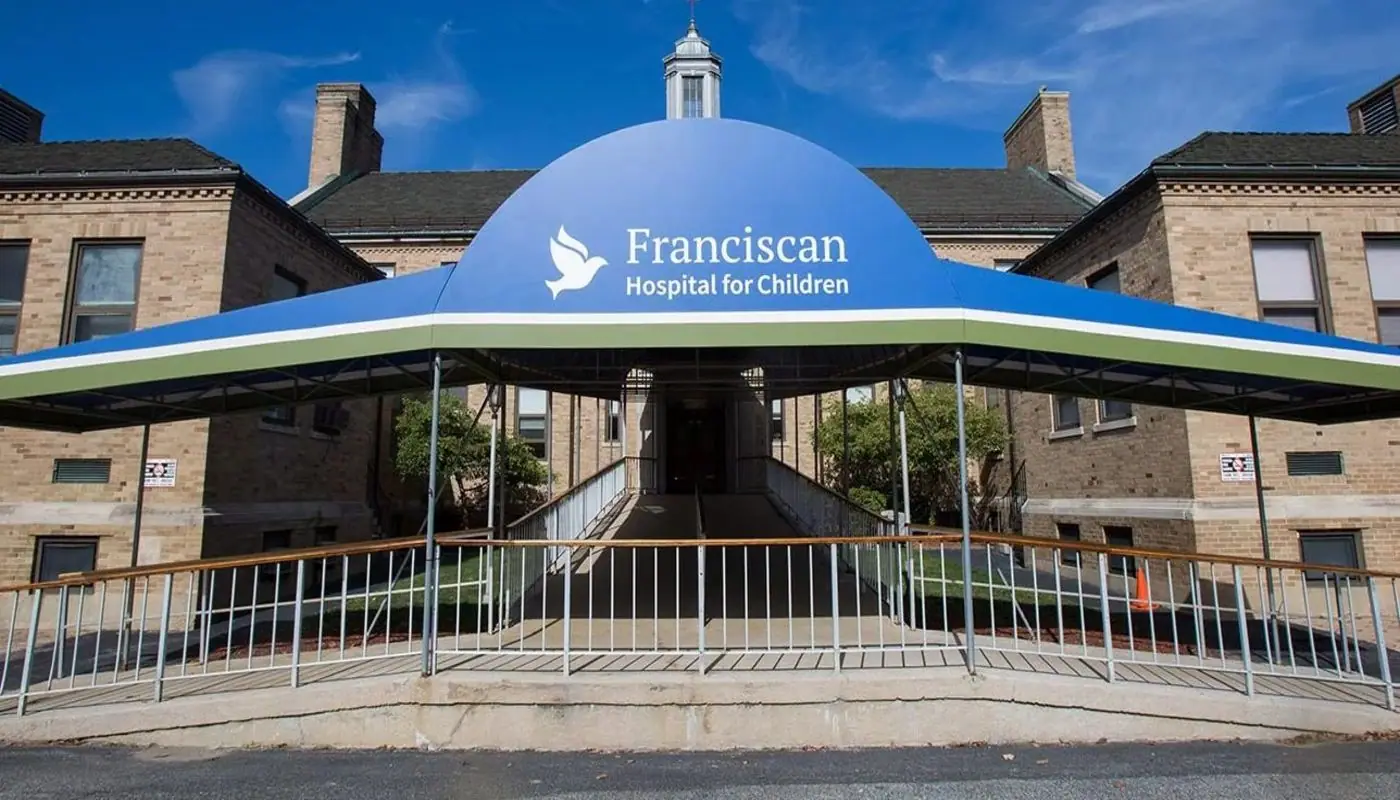
Franciscan Children’s Boston provides outpatient mental health care for young people.
- Outpatient
-
SpringfieldMA
Boca Recovery Center Springfield
4.8/5207 Google reviews
Typical stay 30 days
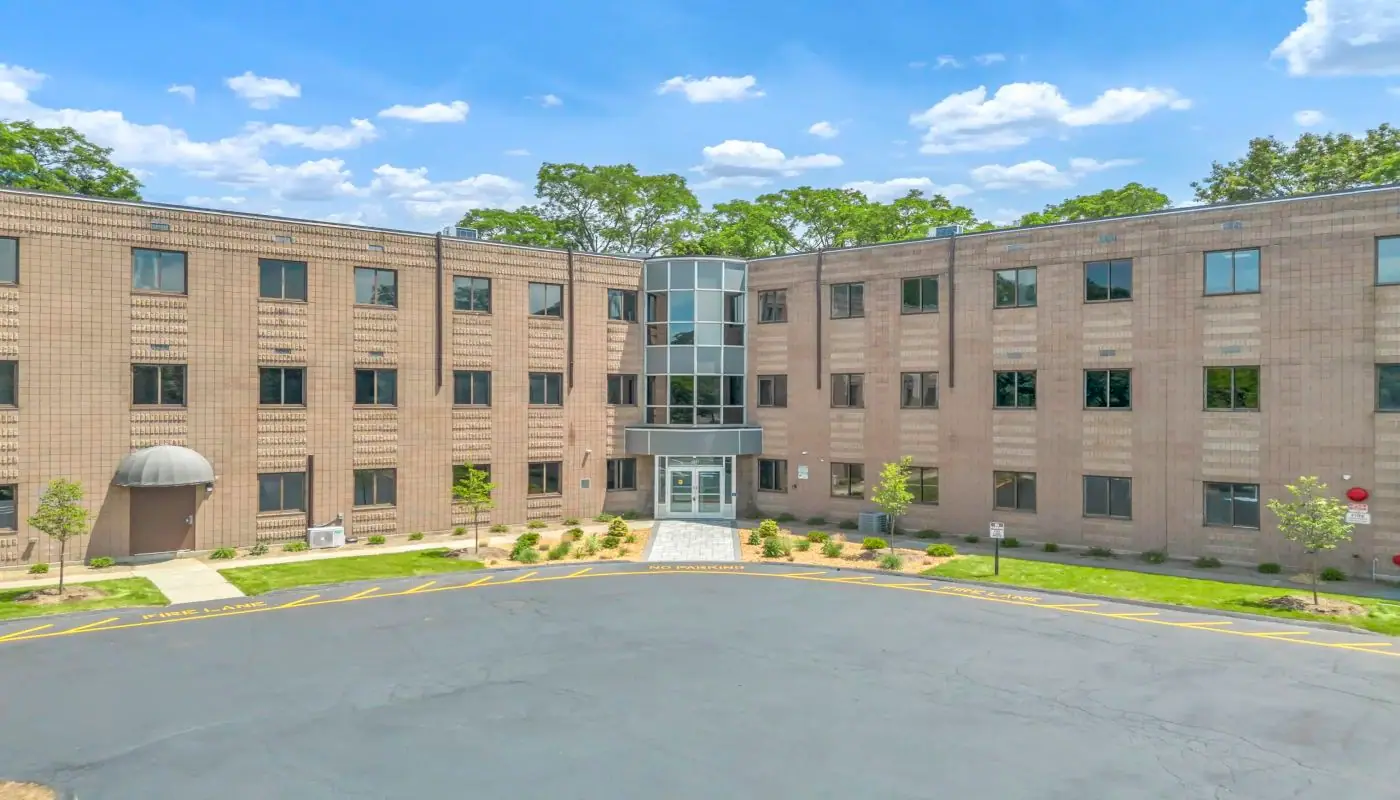
Boca Recovery Center Springfield serves people facing drug or alcohol problems.
- Detox
- Residential Rehab
- Co-Occurring Mental Health
Joint Commission View center

Common questions
What is the McLean Arlington Campus Arlington program like?
This is a residential rehab for children and teens, and a usual stay is around 30 days. The program lists a single level of care, residential rehab, and employs dialectical behavior therapy as well as family therapy, group work, and mindfulness practice. Founded in 1811, its services are listed in English. Families may call the helpline to ask about availability and what a typical day is like.
Does this center treat dual diagnosis conditions?
Yes. Listings name anxiety, bipolar disorder, depression, eating disorders, post-traumatic stress disorder, schizophrenia, self-harm, suicidality, and trauma among the conditions treated. That range means many young people arrive with more than one concern at once. Families should ask how psychiatric care and therapy are combined for their child's specific diagnosis, and whether the program can manage both conditions together.
Will insurance cover residential rehab here?
Coverage cannot be confirmed on this page, and the center lists cash pay rates as its self pay option. A family member should call the helpline, where a trained advisor can help you find out which plans the center works with and what the cost might be. The call links you with licensed treatment providers through advisors, is private, and comes with no commitment.
How do families stay involved during treatment?
The center names family participation as a central part of its work, alongside parent training and sessions that bring several families together. Since each day there follows a set schedule and residents are watched over at all hours, the center itself decides when visits and phone calls can happen. Find out those times before your child is admitted, and ask how family meetings are arranged for a young person of their age and their particular plan of care.
What is the difference between detox and rehab?
Detox is the medically supervised time when a substance clears from the body, while rehab is the longer therapeutic work that comes afterward. This center provides residential rehab, not detox, so families should ask about withdrawal management at another place if it is needed. Alcohol or benzodiazepine withdrawal should be supervised by medical staff because it can be dangerous. The helpline can help you locate suitable care.