Leader at McLean Hospital Belmont
Leader at McLean Hospital Belmont treats substance use and mental health together. This Massachusetts program runs about 5 days on McLean's campus. It is built for people in uniformed professions.

Joint CommissionOutpatientDetoxResidential Rehab5 days
Set on the McLean campus in Belmont, this program serves adults whose jobs carry unusual strain, including police personnel, emergency responders and active-duty service members. Detox, residential rehab and outpatient care are offered, and clinicians address substance use alongside trauma, depression and stress-related conditions.
The clinical approach is trauma-informed and evidence-based, drawing on cognitive behavioral therapy along with group work, family sessions and practical life-skills coaching. Patients work on coping strategies and emotional well-being together, with a stated goal of returning to work and community life.
Those enrolled can also reach McLean's broader mental health resources, and clinicians here are familiar with the daily realities of first-responder work. The campus sits near Boston, with hotels and transit nearby for family traveling in from out of town.
Levels of care at this Belmont program
Detox, residential rehab and outpatient services are all available, so the level of care can shift as needs change. Massachusetts rehab programs at this Belmont site let a person step down without leaving McLean. That range means someone might start with withdrawal support and move to outpatient visits while staying inside one clinical system.
Counseling here covers individual sessions, cognitive behavioral therapy, family work and groups, along with psychoeducation, life-skills practice and help managing stress. Care follows evidence and is shaped to each person, and continuing care plus support meetings help people plan for the weeks once they leave. When alcohol or benzodiazepine withdrawal is involved, medical staff should oversee it, since quitting suddenly at home can be risky. Families weighing drug and alcohol rehab centers in Massachusetts can ask how staffing works at each level of care.
- 1-on-1 Counseling
- Psychoeducation
- Evidence-Based
- Group Therapy
- Life Skills
- Family Therapy
- Individual Treatment
- Cognitive Behavioral Therapy
- Stress Management
Who the Leader program is built for
- Police personnel and other law enforcement officers
- Those serving on active duty in the military, along with emergency responders
- Professionals whose work demands a confidential, structured setting
- Adult men and women managing a substance use problem together with a mental health condition
- Adults dealing with anxiety, depression, PTSD, stress or trauma alongside substance use
How long care lasts and the surroundings
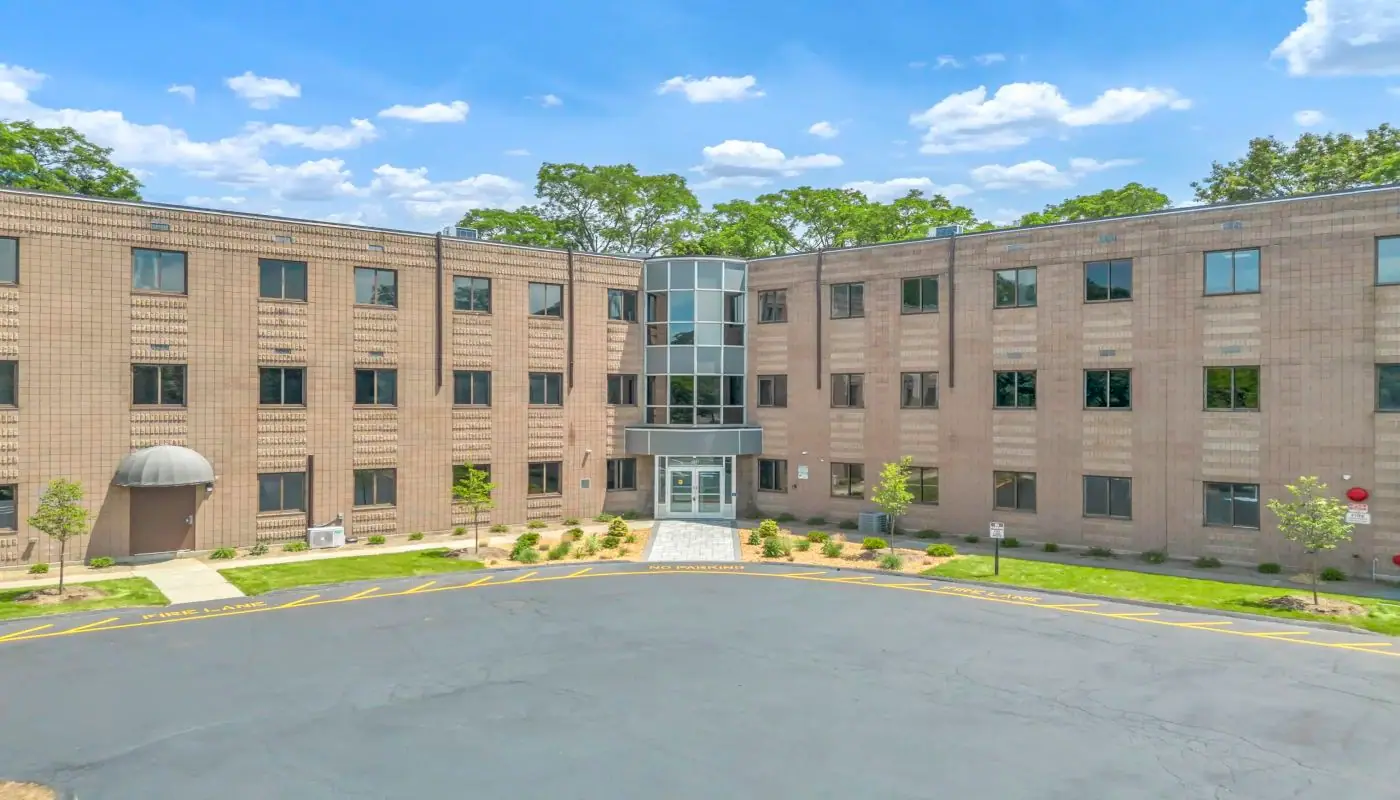
The typical stay is about 5 days, with treatment delivered in English on the Belmont campus near Boston. The surroundings are designed to feel calm, and nearby hotels and transportation make it easier for family to visit from out of town. If you are traveling in from outside Massachusetts, then booking a hotel early helps visits go smoothly. One photo of the campus is listed, so ask what the daily schedule and unit look like before you arrive. When a family member needs a place to stay nearby, then the front desk can often point to options.
Covering costs at this location
Self-pay rates appear among the ways to pay, and insurance should be confirmed over the phone ahead of any admission. If your plan covers residential rehab, confirm the benefit before the stay starts, since benefits differ by plan and by level of care. You can ask the helpline to look into what a plan covers for detox or residential rehab at this location. Massachusetts residents comparing rehab centers can ask whether detox requires prior authorization under a plan. The helpline does not diagnose and is not a provider; through trained advisors it links callers with licensed providers at no cost, with nothing expected afterward.
What to raise before enrolling
- Will my insurance cover detox and residential rehab at this location, and what cost would fall to me?
- How is the 5-day length decided for someone in my situation?
- Can the program treat co-occurring conditions like depression or PTSD at the same time?
- What continuing care and support meetings are arranged at discharge?
- Is there a separate track for first responders, and who leads those groups?
- Is a Joint Commission accreditation current, and can I see what it covers?

More centers to consider
-
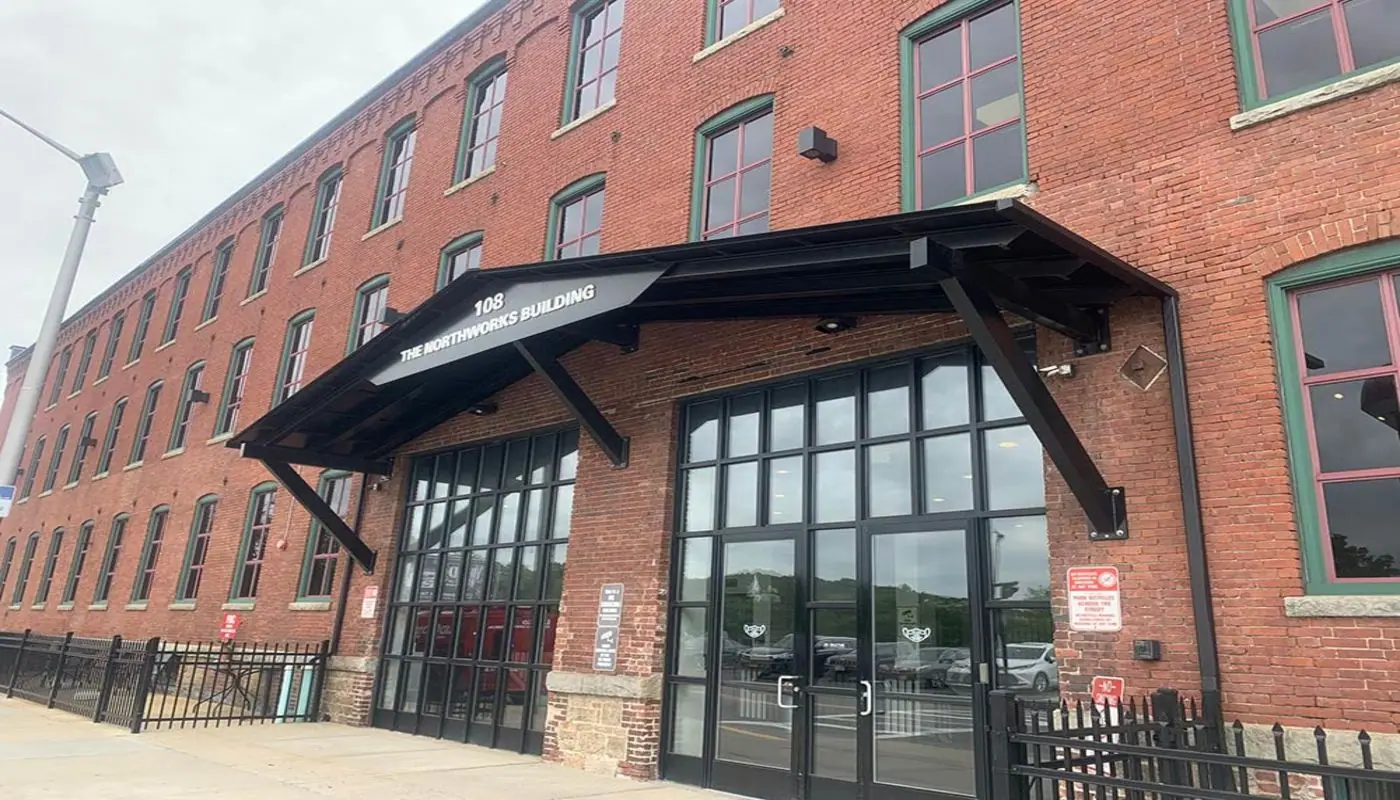
WorcesterMA
Eleanor Health Worcester Massachusetts
4.6/541 Google reviews
Typical stay 5 days
Eleanor Health Worcester Massachusetts runs an outpatient clinic at 108 Grove St.
- Outpatient
-

StoughtonMA
The Healing Center
5.0/580 Google reviews
Typical stay 28+ days
Outpatient care for substance use and for mental health conditions that occur alongside addiction is provided at The Healing Center Stoughton.
- Outpatient
- Co-Occurring Mental Health
Joint Commission View center
-
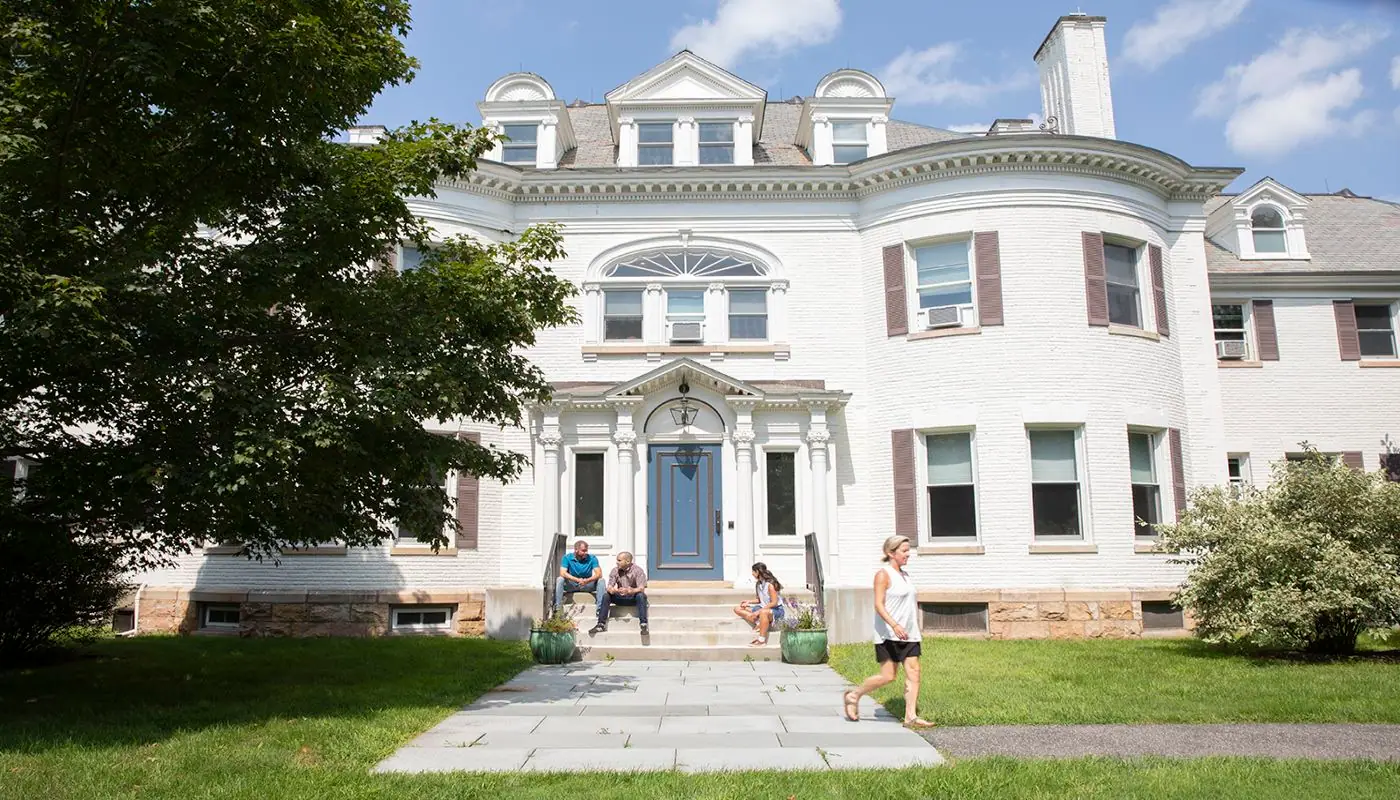
StockbridgeMA
Austen Riggs Center
3.8/518 Google reviews
Typical stay 30 days
Austen Riggs Center in Stockbridge provides outpatient mental health care for adults.
- Outpatient
Joint Commission View center
-
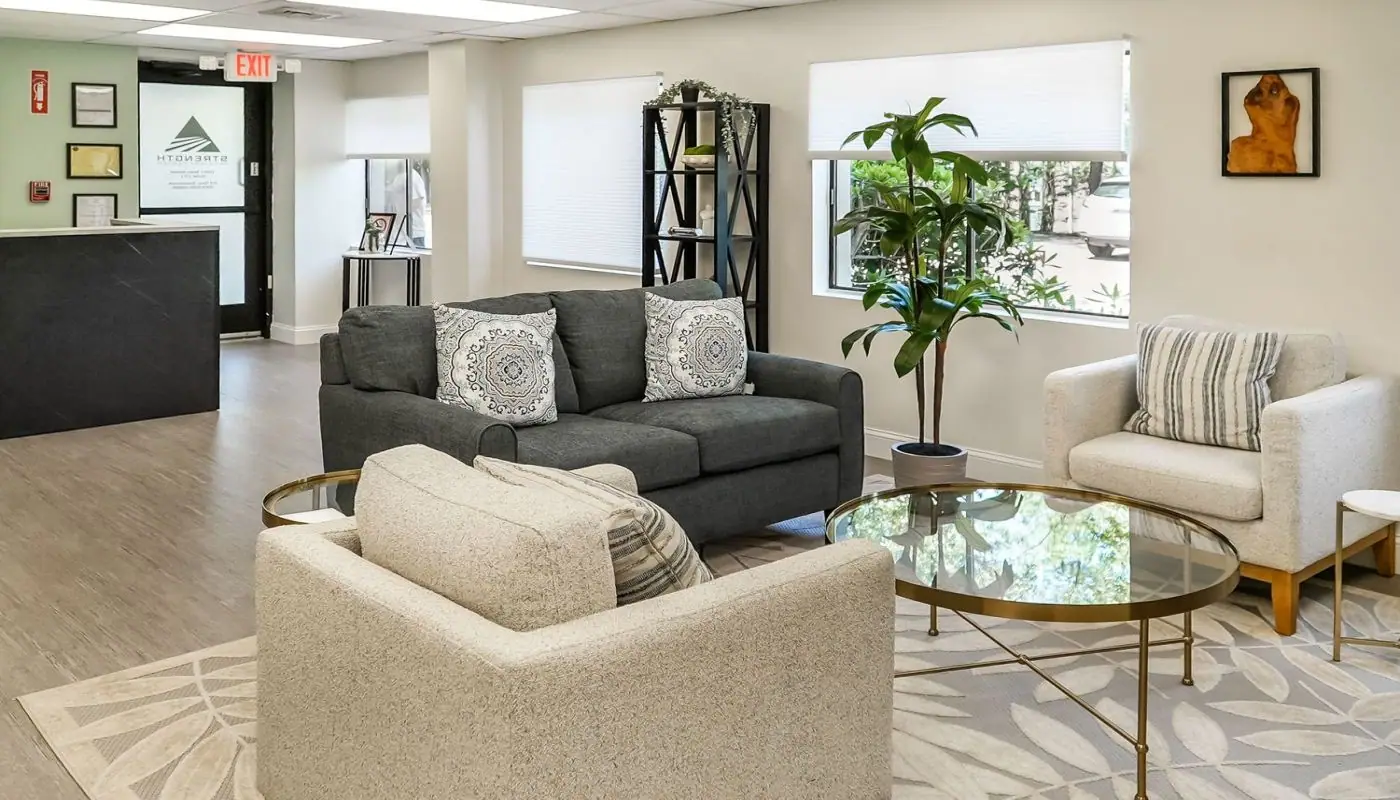
WeymouthMA
Strength Recovery Center
5.0/528 Google reviews
Typical stay 60 days
Strength Recovery Center Weymouth is an outpatient facility at 1221 Main St.
- Outpatient
-
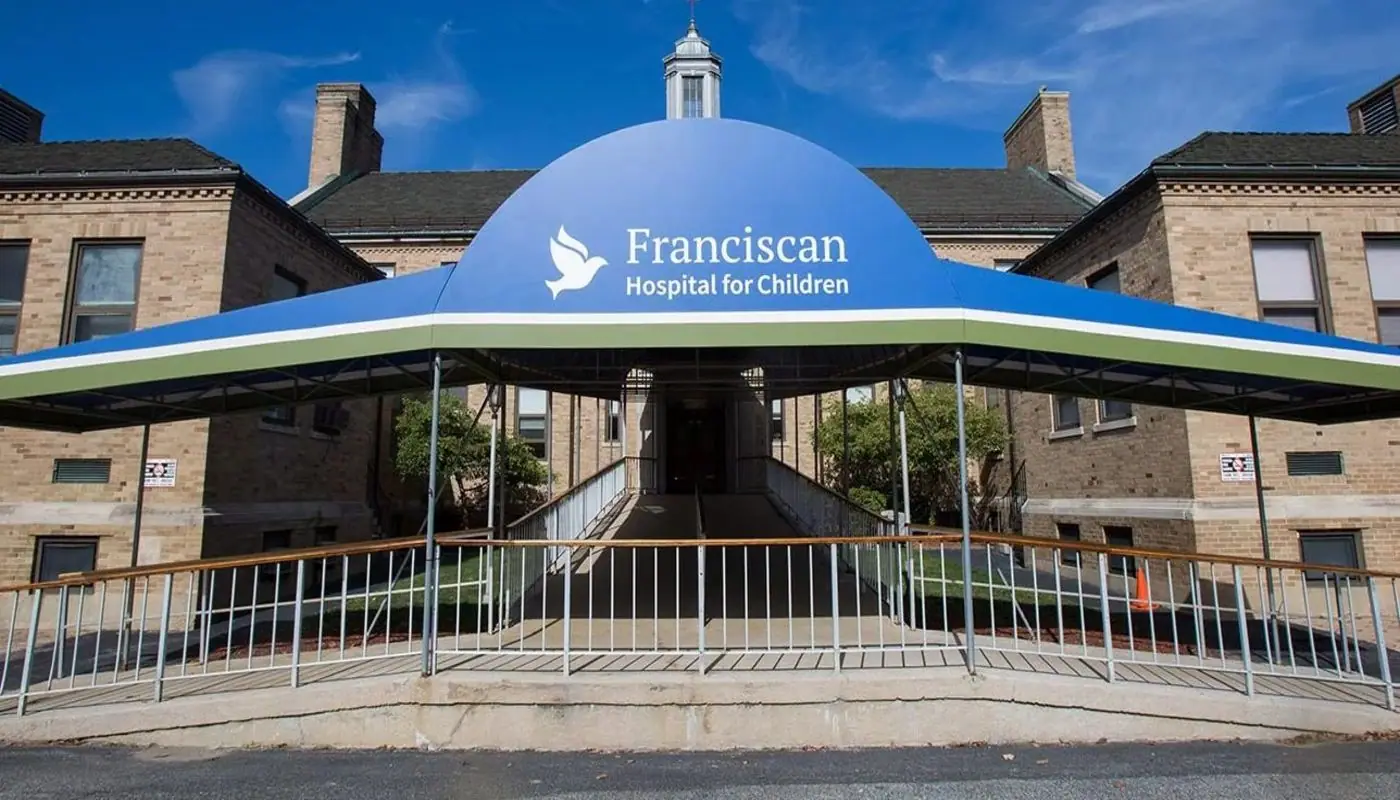
BostonMA
Franciscan Children’s
3.8/5137 Google reviews
Typical stay 50 days
Franciscan Children’s Boston provides outpatient mental health care for young people.
- Outpatient
-
SpringfieldMA
Boca Recovery Center Springfield
4.8/5207 Google reviews
Typical stay 30 days
Boca Recovery Center Springfield serves people facing drug or alcohol problems.
- Detox
- Residential Rehab
- Co-Occurring Mental Health
Joint Commission View center


Common questions
What is Leader at McLean Hospital Belmont?
This program sits on the McLean campus in Belmont, Massachusetts, and treats substance use together with trauma, depression and stress-related conditions, with a typical stay of roughly 5 days. Care is trauma-informed and grounded in evidence, offering individual counseling, cognitive behavioral therapy, family therapy and group work. It is built partly for police officers, emergency responders and military members, and it carries Joint Commission accreditation.
What is the difference between detox and rehab?
Detox manages withdrawal while the body clears a substance, and rehab centers on therapy and skills for staying well afterward. Both are offered here, plus outpatient care, so the level of care can shift as someone moves forward. Withdrawal from alcohol and benzodiazepines can become serious, which is why medical staff should oversee it instead of someone stopping alone at home.
Does insurance cover treatment at this Belmont center?
Coverage depends on the level of care and your specific plan, and it must be confirmed by phone before you're admitted. Self-pay rates appear as an option for people paying directly. When you contact the helpline, a representative can help you ask about benefits for detox, residential rehab or outpatient services at this location, at no cost to you.
How long do people usually stay at Leader at McLean Hospital?
The listed typical program length is about 5 days, though the right duration depends on the person, the substance involved and any co-occurring conditions. Detox, residential and outpatient options follow different timelines. If you are arranging care for a family member, ask how discharge planning and continuing care meetings are set up before the stay begins.
Where is Leader at McLean Hospital Belmont located?
The address is 115 Mill Street in Belmont, Massachusetts, within the McLean campus close to Boston. Because lodgings and public transit are close at hand, relatives coming from a distance have an easier time making the trip. Should you be traveling from elsewhere in Massachusetts, try to arrange your visit around the hours set aside for visitors, which keeps the disruption to family life to a minimum.