Freedom Health Framingham
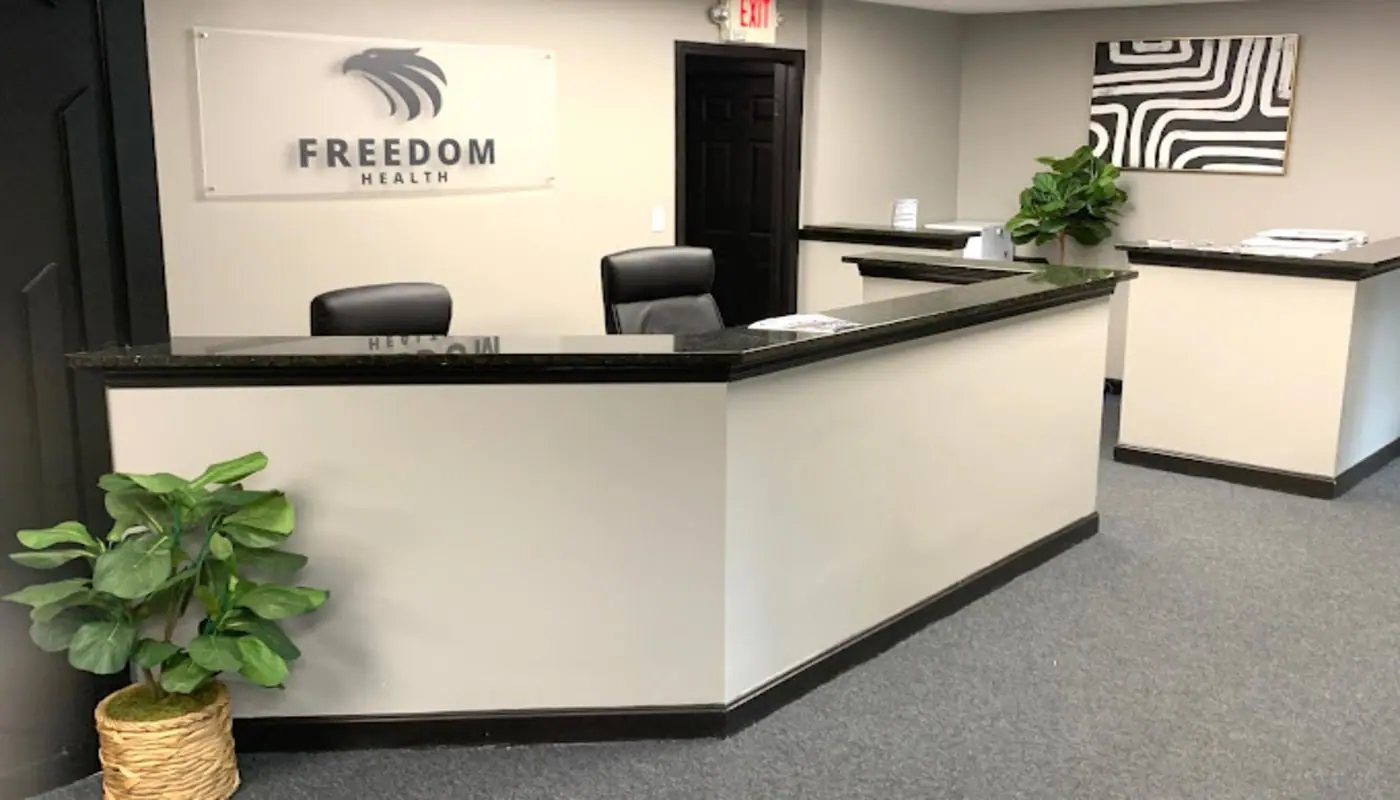
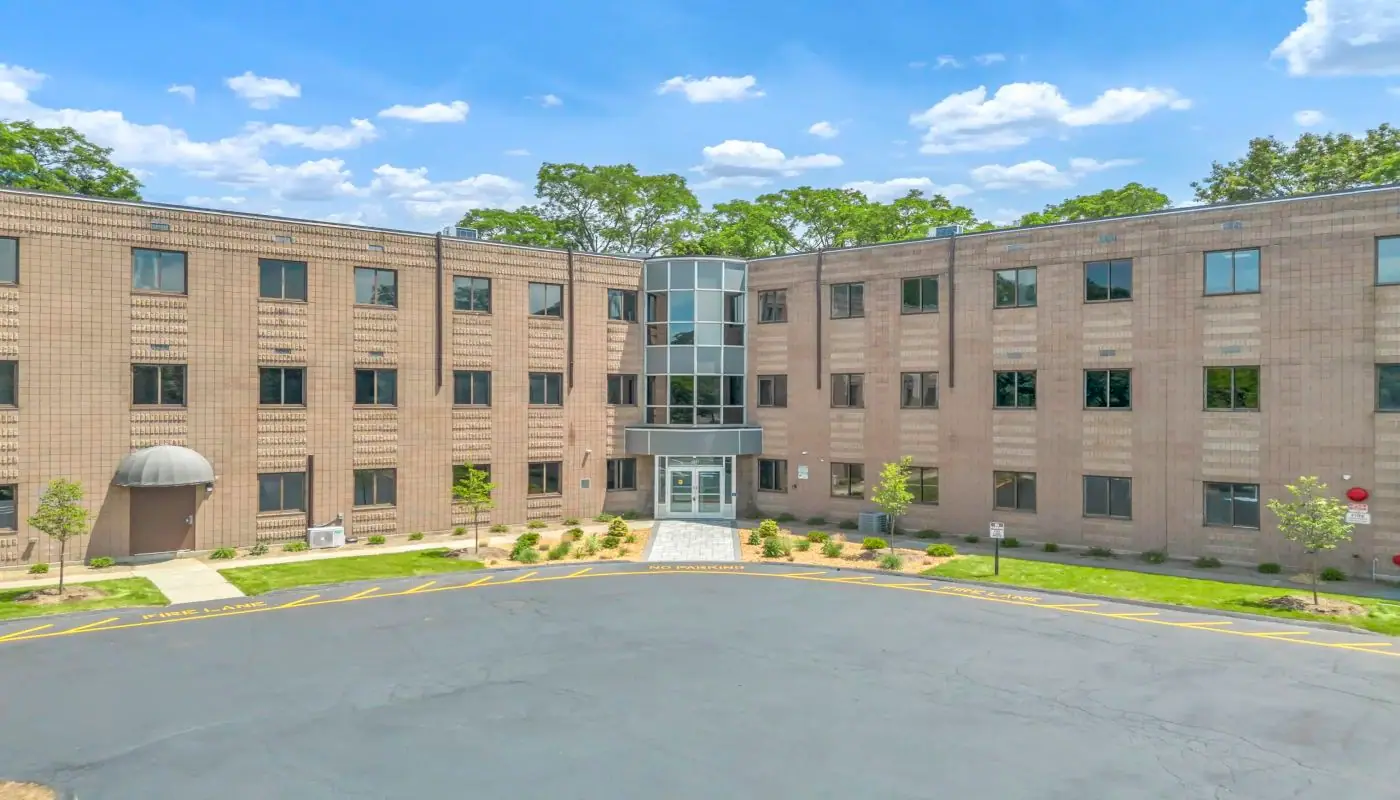
Freedom Health Framingham is an outpatient rehab on Pleasant Street in Framingham. It is one of 326 SAMHSA-listed facilities across Massachusetts. Programs range from a structured day schedule to weekly therapy.
OutpatientCo-Occurring Mental Health6 days
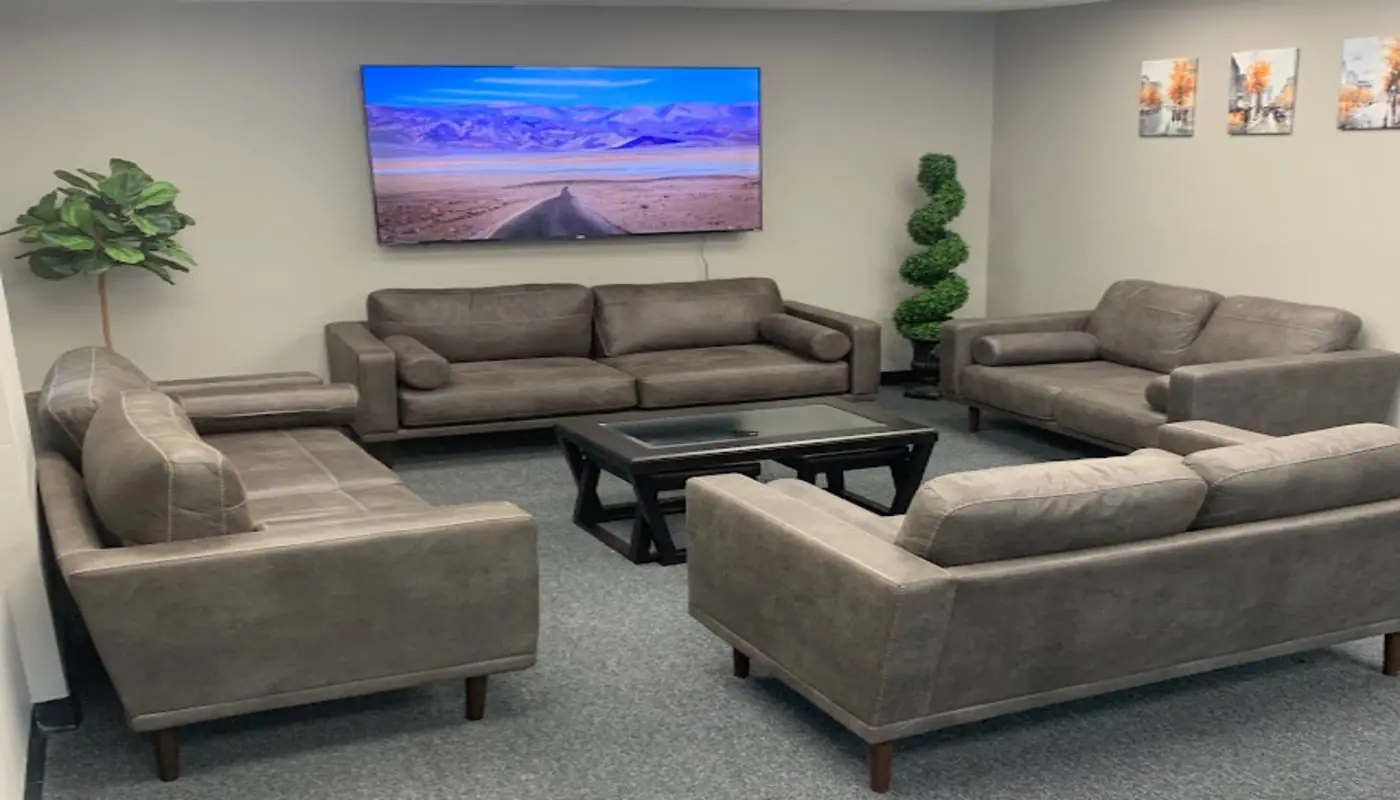
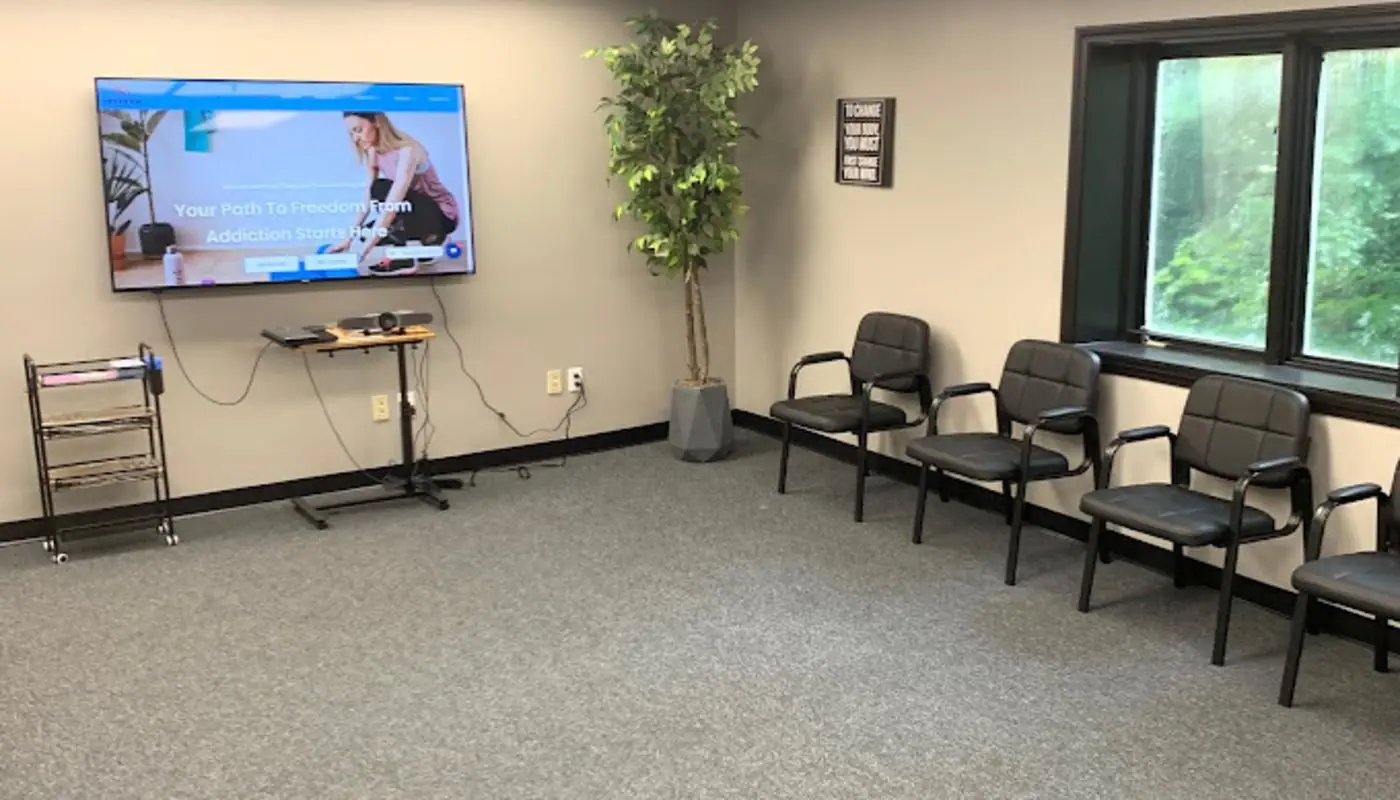
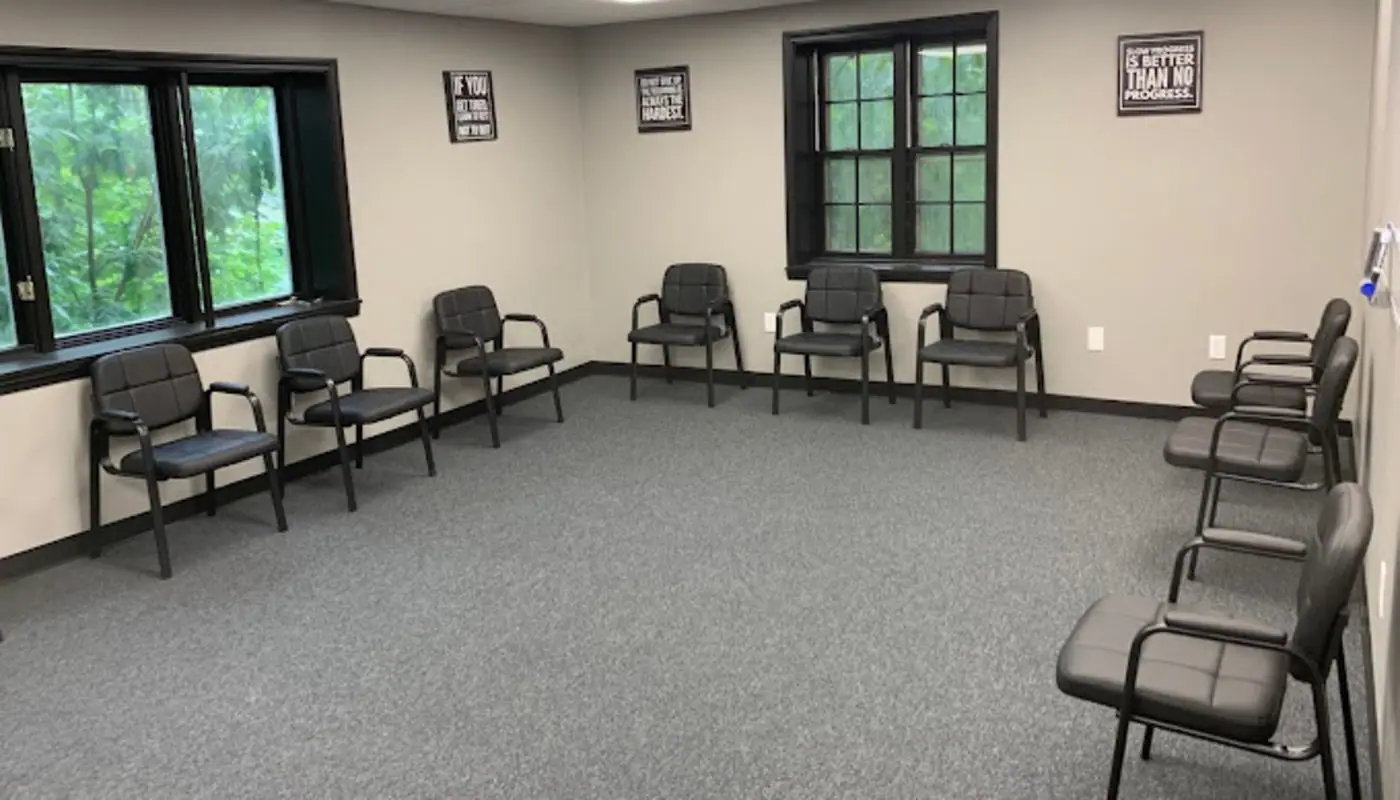
The center runs on the idea that people with a substance use disorder can get serious structure without moving into a residential building. It provides three outpatient levels, and a person can move between them as needs change. A caring clinical team works with each participant and the family, aiming at a stable footing for the long term. For families across Massachusetts seeking dual diagnosis treatment, the center's outpatient design keeps home and treatment connected.
Care starts with a bio-psycho-social evaluation. That conversation gives staff a picture of a person's history and current challenges, and the plan follows from there. Someone may attend a partial hospitalization schedule, drop to an intensive outpatient schedule, or step down to weekly therapy. This Massachusetts dual diagnosis treatment center includes family members along the way rather than keeping them at a distance.
The center treats both addiction and mental health conditions that occur alongside addiction at the same time. That matters when depression, anxiety or trauma sits underneath heavy drinking or drug use. If depression or trauma sits underneath substance use, then both need attention in the same plan of care. Neither concern gets pushed aside while the other is addressed.
Programs at Freedom Health Framingham
The partial hospitalization program is the most structured option here, with roughly six hours of treatment each day across five to six days a week. For Massachusetts residents who need intensive structure but want to sleep at home, this level blends evidence-based work with wellness education and groups. It still lets a person go home at night, which many families find workable.
The intensive outpatient program is the next step down, generally fifteen to twenty hours a week, with morning or evening sessions. This level of alcohol rehab in Massachusetts works around jobs and school, with groups covering relapse prevention, anger management, and codependency. Cognitive behavioral therapy and psychoeducation are part of the mix.
The outpatient program is the most flexible level, built on weekly individual therapy and continued dual-diagnosis work. When someone needs ongoing support after a higher level of care, then this weekly schedule offers a practical step down in Massachusetts. Complementary options include yoga, massage, chiropractic care, mindfulness and experiential therapy, alongside nutrition counseling and group personal training that treats exercise as part of overall health.
- Cognitive Behavioral Therapy
- Evidence-Based
- Introduction to the 12 Step Program
- Family Therapy
- Group Therapy
- Nutrition Counseling
- Individual Treatment
- 1-on-1 Counseling
- Experiential
- Personalized Treatment
Who Freedom Health Framingham serves
- Adults of any gender; the center serves men and women, with programming open to both
- People with alcohol, benzodiazepine, cocaine, heroin, methamphetamine, opioid or marijuana concerns
- Individuals dealing with co-occurring conditions like depression, anxiety, trauma, anger or codependency
- Those who need structure but not a residential stay, including people stepping down from detox
- Family members who want education, support and involvement in treatment planning
Freedom Health Framingham setting
Programs are typically six days in length, and the center holds six to fifteen beds, so group sizes stay small. When you call to check availability at this Framingham center, then ask what is open this week, since space is limited. Sessions are held in English, and the setting is outpatient, meaning participants return home between visits.
Paying at Freedom Health Framingham
Self-pay prices appear on the site, and it is worth verifying insurance before a start date arrives. If you want to confirm what a plan covers at this Massachusetts center, then the helpline can help you prepare questions to ask the insurer. Staff at a center can tell you which paperwork they require. Should a plan turn down care, a family can ask how the appeal works, because the federal parity law provides behavioral health coverage protections. Questions about cost are simpler to settle by phone than to guess at.
Ask Freedom Health Framingham
- After the evaluation, which level of care does the clinical team suggest
- How many days a week each level meets, and whether evenings are available
- Whether the center coordinates with a detox or hospital program for a safe start
- What insurance the center accepts and what a cash pay rate covers
- How family sessions and aftercare follow-up are scheduled

More centers to consider
-
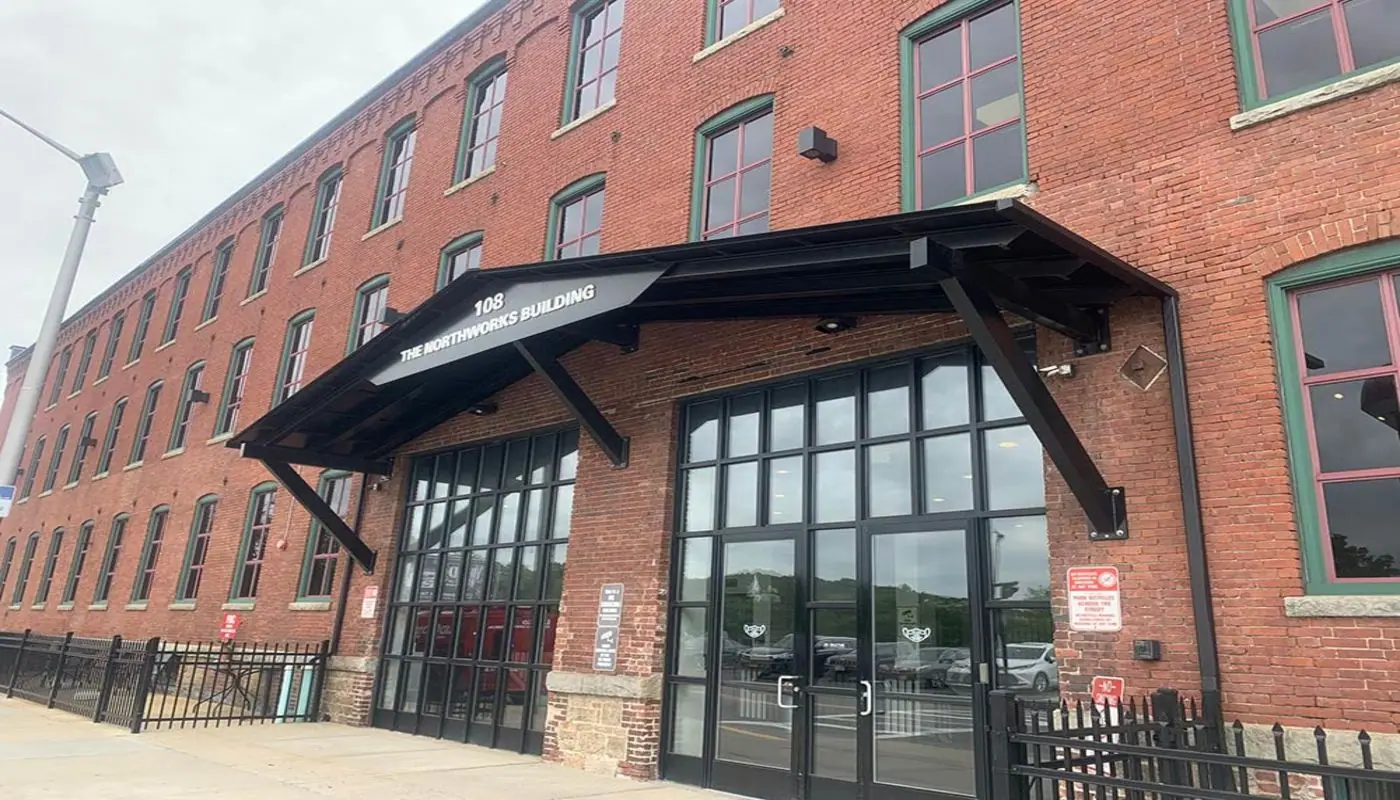
WorcesterMA
Eleanor Health Worcester Massachusetts
4.6/541 Google reviews
Typical stay 5 days
Eleanor Health Worcester Massachusetts runs an outpatient clinic at 108 Grove St.
- Outpatient
-

StoughtonMA
The Healing Center
5.0/580 Google reviews
Typical stay 28+ days
Outpatient care for substance use and for mental health conditions that occur alongside addiction is provided at The Healing Center Stoughton.
- Outpatient
- Co-Occurring Mental Health
Joint Commission View center
-
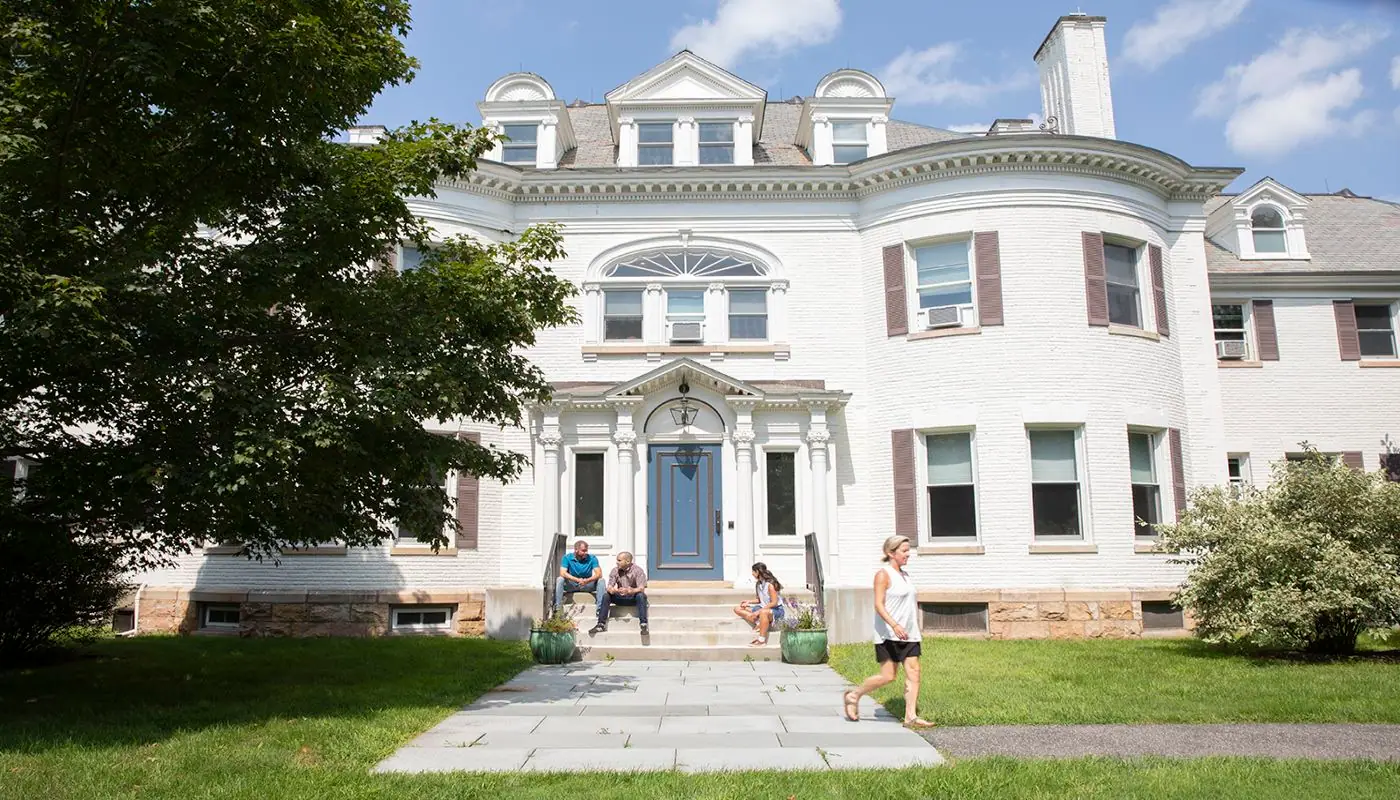
StockbridgeMA
Austen Riggs Center
3.8/518 Google reviews
Typical stay 30 days
Austen Riggs Center in Stockbridge provides outpatient mental health care for adults.
- Outpatient
Joint Commission View center
-
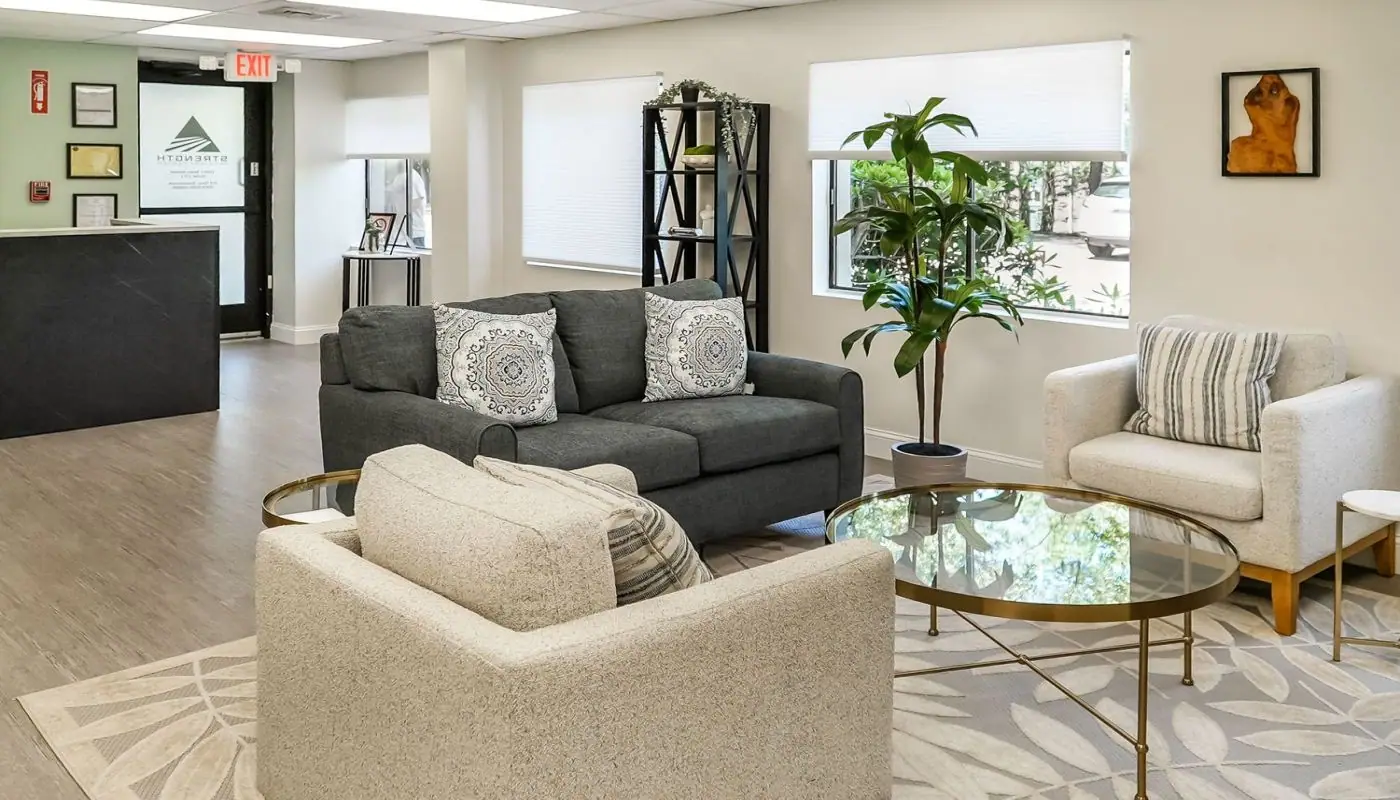
WeymouthMA
Strength Recovery Center
5.0/528 Google reviews
Typical stay 60 days
Strength Recovery Center Weymouth is an outpatient facility at 1221 Main St.
- Outpatient
-
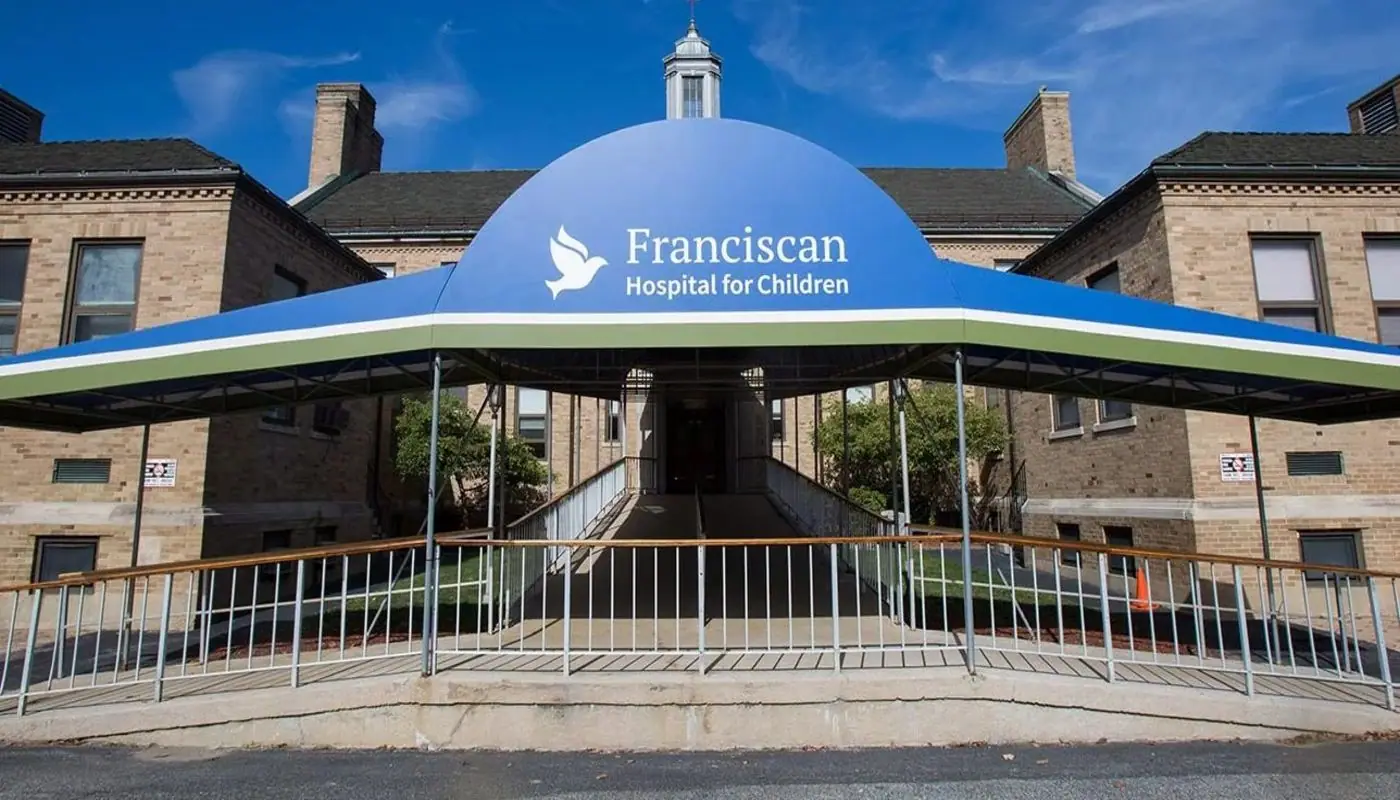
BostonMA
Franciscan Children’s
3.8/5137 Google reviews
Typical stay 50 days
Franciscan Children’s Boston provides outpatient mental health care for young people.
- Outpatient
-
SpringfieldMA
Boca Recovery Center Springfield
4.8/5207 Google reviews
Typical stay 30 days
Boca Recovery Center Springfield serves people facing drug or alcohol problems.
- Detox
- Residential Rehab
- Co-Occurring Mental Health
Joint Commission View center

Common questions
What is the difference between detox and rehab, and does Freedom Health Framingham offer detox?
Detox is the short medical period when a substance clears the body, while rehab is the longer work of therapy and skill building. Freedom Health lists outpatient care only, so it does not provide detox on site. Someone who needs withdrawal management first would start elsewhere and step down here. That is why calling the helpline to check the right order of care is useful.
What are the intensive outpatient programs available in Massachusetts, and how does this one compare?
Massachusetts has 326 SAMHSA-listed facilities, and many run intensive outpatient programs. Freedom Health's IOP usually meets fifteen to twenty hours a week, with morning or evening groups. A PHP option sits above it at about six hours a day. Comparing schedules matters, since work, childcare and transportation shape which level a person can actually sustain.
Does MassHealth cover outpatient rehab like Freedom Health Framingham?
What a plan pays for hinges on the plan itself and the level of care a clinician recommends, so confirm details with the plan before a start date. Freedom Health lists self-pay rates, and staff can explain what they require from an insurer. Be sure to ask whether prior authorization is needed. The helpline can guide a caller through those conversations at no charge.
What does dual diagnosis treatment mean at a Framingham outpatient center?
It means addiction treatment and mental health care happen together rather than in separate tracks. Freedom Health treats conditions such as depression, anxiety, trauma and codependency alongside substance use. A single plan covers both, and groups and individual sessions address how the two interact. For families, that often answers why someone drinks or uses in the first place.
How long do people typically remain in outpatient rehab at Freedom Health Framingham?
A typical program length of six days is what the center lists, though individual plans may differ according to clinical needs. That brief span fits the outpatient structure, in which participants come to scheduled sessions and go home afterward. When you are arranging care for someone, ask the center directly how many weeks their recommended level usually lasts, since insurance and progress can shift the timeline.