Evolve Recovery Center Millbury
Evolve Recovery Center Millbury is a residential rehab in Millbury, Massachusetts. The center holds 16 to 30 beds and has been Joint Commission accredited since 2021. Its program pairs evidence-based therapy with introduction to the 12-Step program.

Joint CommissionResidential RehabCo-Occurring Mental Health21+ days

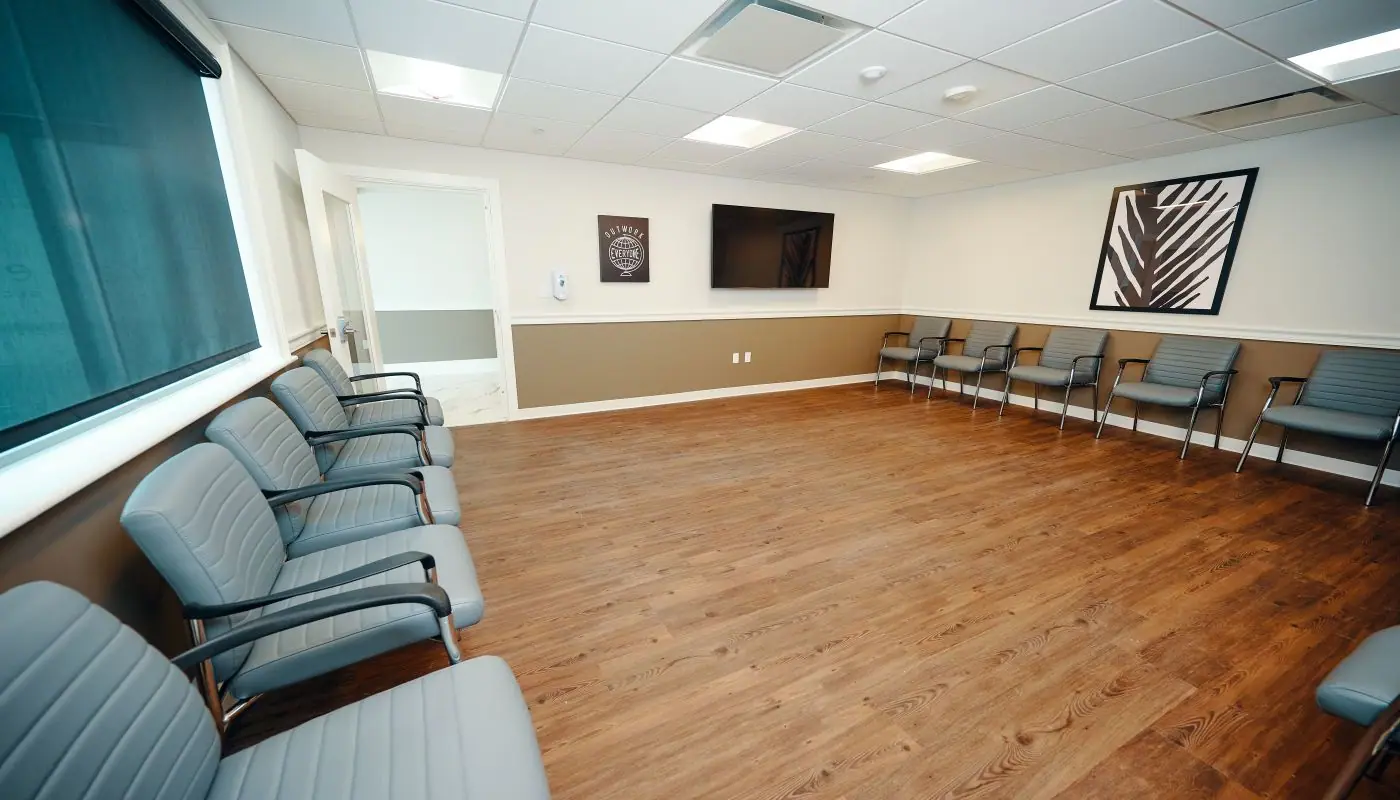

Evolve Recovery Center Millbury runs a residential program for adults who need structured addiction treatment at the same time as support for a co-occurring mental health condition. The team describes its work as organized and clinically grounded, pairing proven therapeutic methods with introduction to the 12-Step tradition. Days are built around counseling and groups, with room for routine and rest.
Family members are part of the picture here rather than bystanders. The program includes family sessions and an attachment-based family therapy approach, so the people closest to a resident can learn how to support change after discharge. Family involvement is built into the Millbury residential program, so relatives are asked to join sessions while their person is in residence. Anyone comparing residential rehab centers in Massachusetts can ask how family work is scheduled before choosing a program.
Evolve Recovery Center Millbury
Two care options appear in the center's SAMHSA profile: dual diagnosis treatment and residential rehabilitation. For adults who need both, the Millbury center provides residential rehab alongside co-occurring mental health treatment. Therapy comes through individual counseling, cognitive behavioral therapy, didactic group therapy, experiential and art therapy, mindfulness therapy, and family work, along with an overview of the twelve step approach and AA or NA meetings alongside alternative meetings.
Care is described as evidence-based and medical in orientation, with an individual treatment plan for each resident. If someone arrives with significant withdrawal risk from alcohol or benzodiazepines, then a clinician should assess them first, because those withdrawals can become dangerous quickly and call for medical oversight rather than a self-managed taper. If a person needs supervised detox, then that step is usually handled before residential admission begins.
- Didactic Group Therapy
- 1-on-1 Counseling
- Family Therapy
- Introduction to the 12 Step Program
- Evidence-Based
- Cognitive Behavioral Therapy
- Family Involvement
- Experiential Therapy
- Mindfulness Therapy
- Attachment-Based Family Therapy
Who the Millbury program is built for
- Adult men and women covering young adults and midlife adults
- Pregnant women who need residential addiction treatment
- People facing co-occurring conditions like bipolar disorder anxiety depression, ADHD, eating disorders, grief and loss, personality disorders, or schizophrenia
- People whose primary substance is alcohol, benzodiazepines, cocaine, ecstasy, marijuana, or methamphetamine, including heroin and prescription drugs
- People with a pattern of chronic relapse who need a structured residential setting
Stay length, size and daily routine
Stays typically run 21 days or longer, and the center holds 16 to 30 beds, so the setting stays small enough for staff to know residents. With 16 to 30 beds, the Millbury setting stays small enough for staff to know residents by name. Rooms are private or shared with shared bathrooms, and housekeeping, laundry service, towels and toiletries, air conditioning, and snacks are provided. Amenities include a fitness center, gourmet dining, an outdoor lounge, and airport transfers. Daily life includes gym access, recreation time, games, reading, and space for reflection. People searching for alcohol rehab centers in Massachusetts will find services here delivered in English only.
- Outdoor Lounge
- Airport Transfers
- Fitness Center
- Gourmet Dining
Paying for care at Evolve Millbury
This center takes most private insurance, lists cash pay rates too, and holds Joint Commission accreditation. Because Millbury accepts most private insurance, checking what your own plan covers should be your first call. What residential care covers varies between plans, so calling the helpline is the practical move; someone there can review the benefits in your specific plan and find out whether the center has an open bed right now, before you commit to anything. If your plan turns out not to pay for residential rehab at this location, the helpline can point you toward other Massachusetts programs that may fit. Trained advisors staff that line, there is no charge to use it, whatever you say remains private, and calling places no requirement on you.
What to raise before enrolling
- Will my insurance plan pay for residential rehab here, and what my out-of-pocket cost would be?
- How does the team decide whether someone needs detox before residential admission, and where is that handled?
- How are mental health conditions that occur alongside addiction treated alongside substance use during the stay?
- What does family participation look like, and how often are family sessions held?
- What aftercare is available at discharge, including alumni groups and return visits?

More centers to consider
-
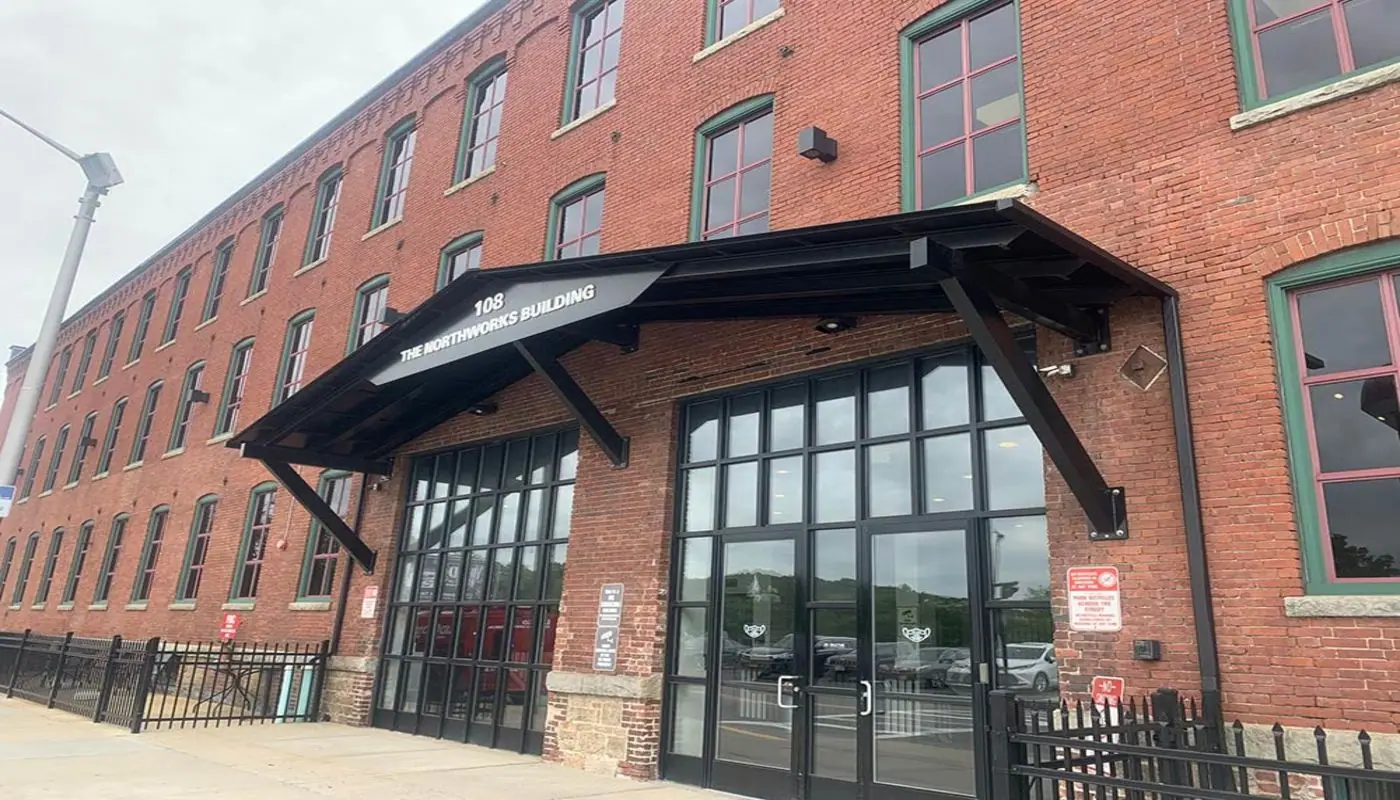
WorcesterMA
Eleanor Health Worcester Massachusetts
4.6/541 Google reviews
Typical stay 5 days
Eleanor Health Worcester Massachusetts runs an outpatient clinic at 108 Grove St.
- Outpatient
-

StoughtonMA
The Healing Center
5.0/580 Google reviews
Typical stay 28+ days
Outpatient care for substance use and for mental health conditions that occur alongside addiction is provided at The Healing Center Stoughton.
- Outpatient
- Co-Occurring Mental Health
Joint Commission View center
-
StockbridgeMA
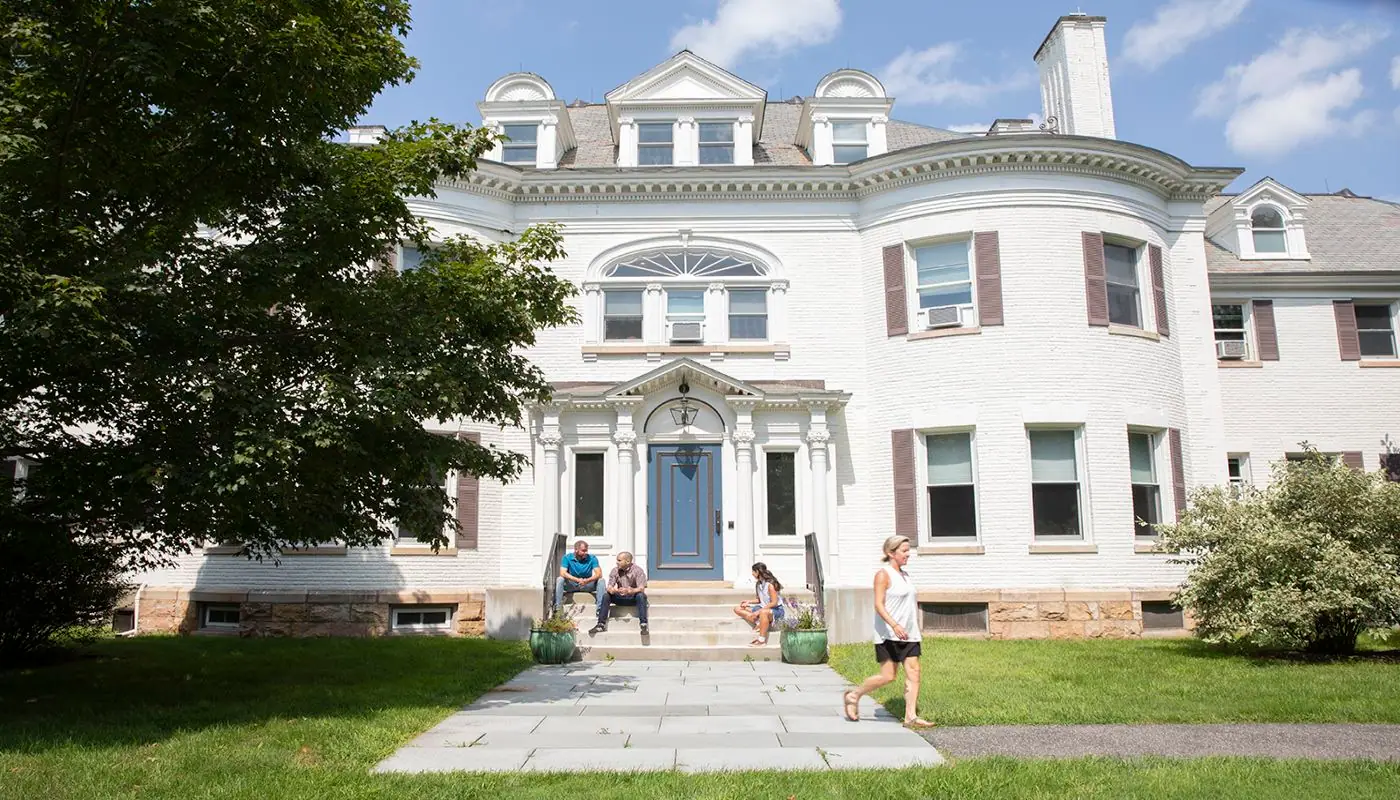
Austen Riggs Center
3.8/518 Google reviews
Typical stay 30 days
Austen Riggs Center in Stockbridge provides outpatient mental health care for adults.
- Outpatient
Joint Commission View center
-
WeymouthMA
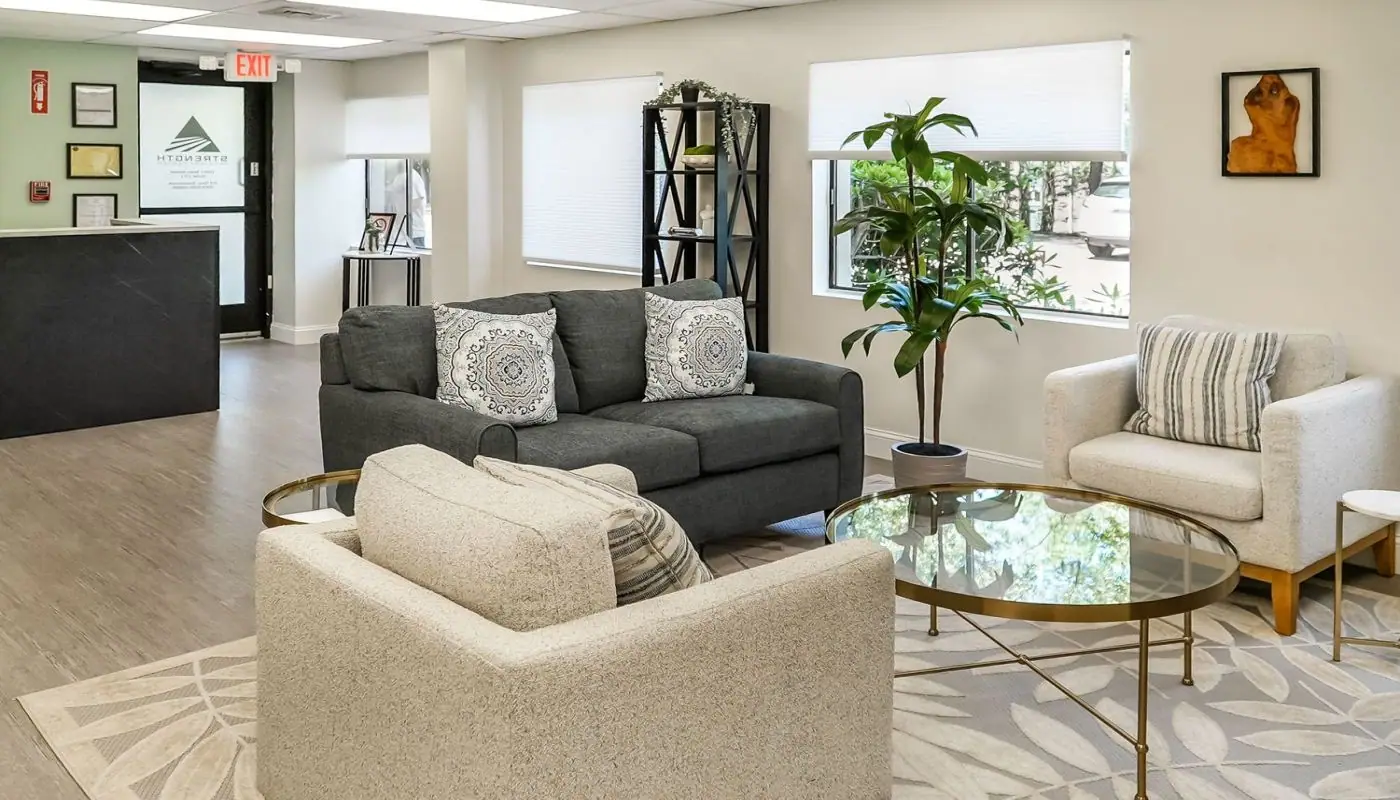
Strength Recovery Center
5.0/528 Google reviews
Typical stay 60 days
Strength Recovery Center Weymouth is an outpatient facility at 1221 Main St.
- Outpatient
-
BostonMA
Franciscan Children’s
3.8/5137 Google reviews
Typical stay 50 days
Franciscan Children’s Boston provides outpatient mental health care for young people.
- Outpatient
-
SpringfieldMA
Boca Recovery Center Springfield
4.8/5207 Google reviews
Typical stay 30 days
Boca Recovery Center Springfield serves people facing drug or alcohol problems.
- Detox
- Residential Rehab
- Co-Occurring Mental Health
Joint Commission View center


Common questions
What is Evolve Recovery Center Millbury?
It is a residential rehab in Millbury, Massachusetts, with 16 to 30 beds, opened in 2021 and accredited by the Joint Commission. The program treats substance use disorders alongside mental health conditions that occur alongside addiction, using evidence-based therapies, family involvement, and introduction to the 12-Step program. Care is delivered in English at 29 N. Main St. Suite 300.
How long do people usually stay at Evolve Recovery Center Millbury?
The typical program length is 21 days or more, according to the center's listing. Your actual length of stay depends on clinical needs, progress in treatment, and what your insurance will cover, so it is worth confirming both the recommended duration and your benefits by phone before admission. Shorter or extended stays are clinical decisions, and the helpline cannot promise a specific duration or outcome.
Does Evolve Recovery Center Millbury accept insurance?
Most private insurance is accepted at the center, and it also lists cash pay rates. What residential rehab covers varies by plan, so call the helpline; a trained advisor can help you verify your benefits and find out if an open bed exists at the center right now. The helpline costs nothing and keeps your information private and pressures you to enroll nowhere. If this center falls outside your plan, other SAMHSA-listed options can be discussed.
Is Evolve Recovery Center Millbury good for dual diagnosis treatment?
Yes, mental health conditions that occur alongside addiction is one of its two listed care options, alongside residential rehab. The center treats conditions such as depression, anxiety, bipolar disorder, ADHD, and grief alongside substance use. Because both needs are addressed together in one plan, ask during your call how the team coordinates mental health treatment with addiction care and who reviews medications.
What should I do if my family member drinks heavily or uses benzodiazepines?
Talk with a clinician before admission, because stopping alcohol or benzodiazepines can be medically risky and needs professional oversight. The center's listing does not describe on-site detox, so ask how withdrawal is managed and whether a hospital stay ought to come first. Our helpline can help you find appropriate care and check availability, without cost or pressure.