Cambridge Eating Disorder Center Cambridge
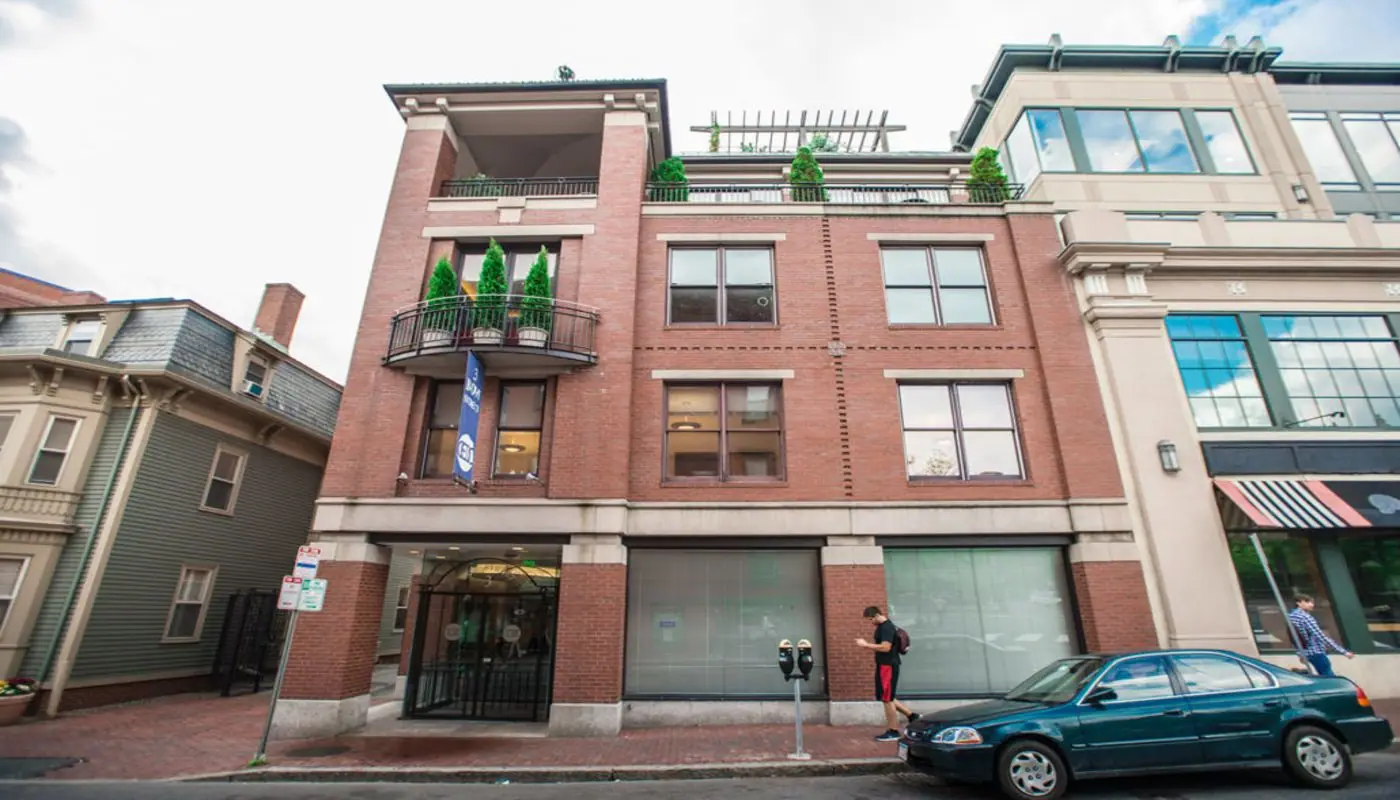
On Bow Street in Cambridge, Massachusetts, Cambridge Eating Disorder Center runs a residential program with 37 beds. It opened in 2000 and is close to Harvard Square. A helpline that costs nothing is available for families who want to ask about open beds.
Joint CommissionOutpatientCo-Occurring Mental Health30 days

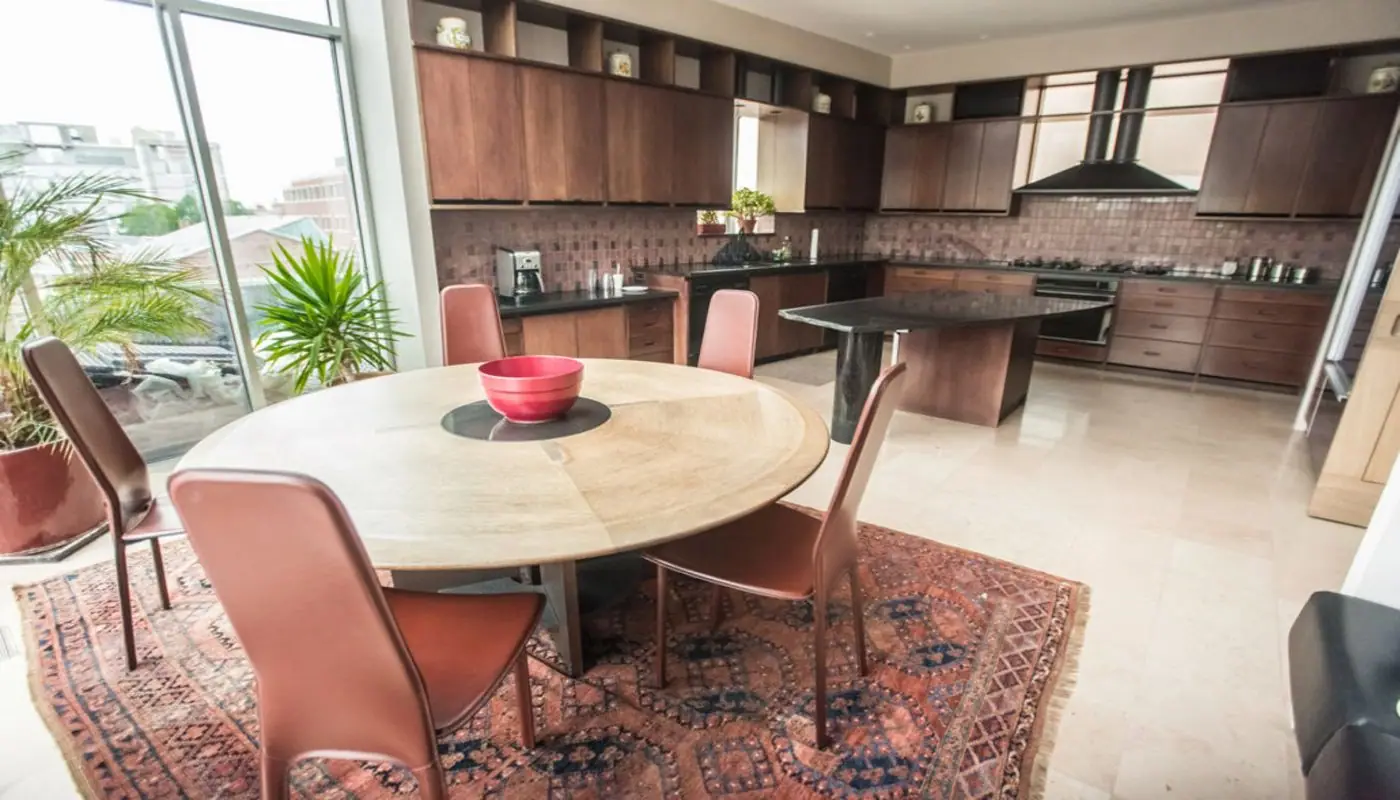
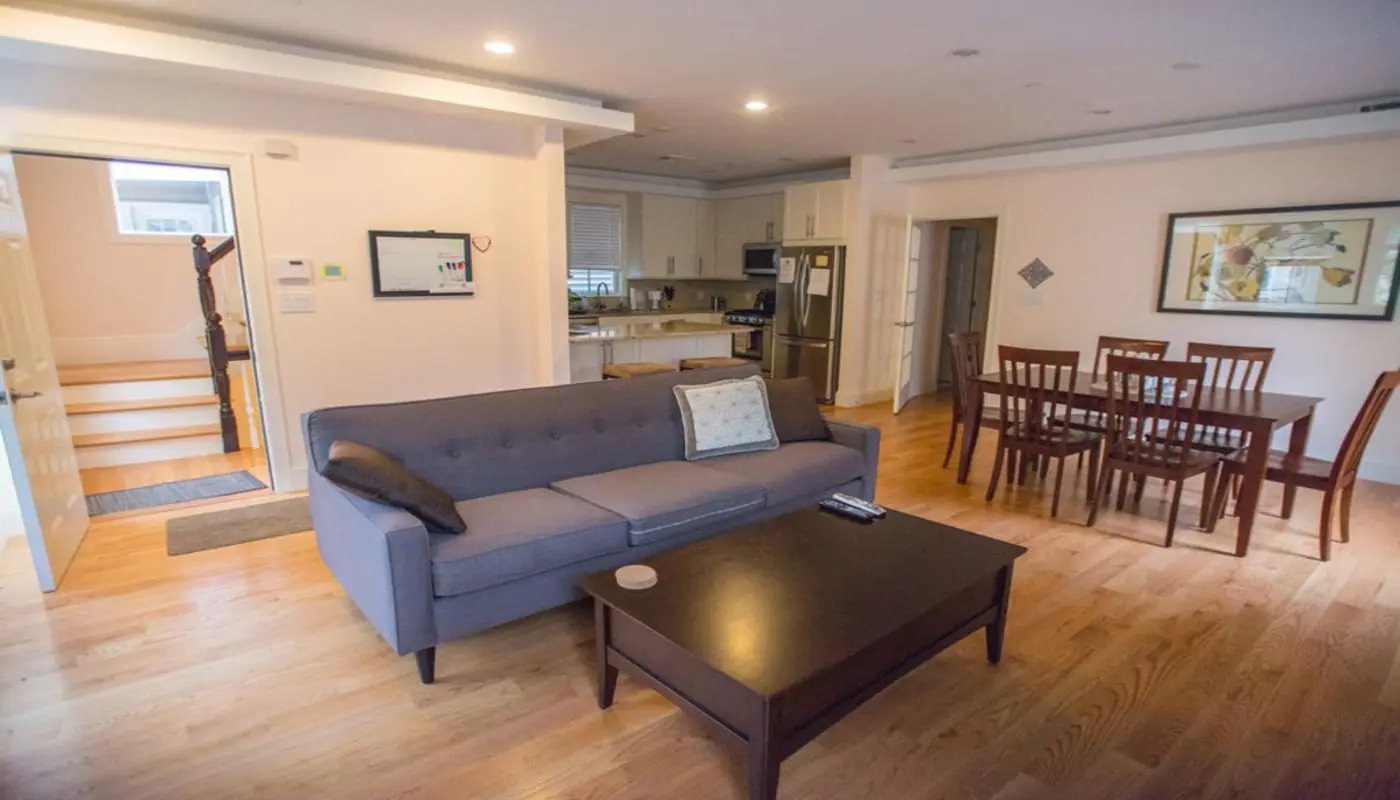
Bow Street is home to the Cambridge Eating Disorder Center, a residential facility where anorexia, bulimia and binge eating are treated, and where people whose mental health conditions coexist with substance use also receive care. The clinical team does not hand everyone the same template. Residents are grouped by age and by life stage, so a teenager and a woman in her forties are not keeping the same schedule under the same expectations. A Cambridge eating disorder center with 37 beds and separate floors by age stands out enough that it is worth asking directly who shares space with whom.
The approach centers on helping someone grasp how their eating disorder took shape and how it appears during everyday life, not only at mealtimes. Therapy, nutrition work, and daily structure advance together, and the plan shifts as the person's needs change. The program holds Joint Commission accreditation and has run since 2000, giving families a long history they can ask about. If your family member has cycled through outpatient care with little change, then a clinician may recommend a residential level of care instead.
If you are calling for a daughter, a sister or a friend, it helps to know the center runs separate residential floors for adolescents, young adults and adult women. Ask who supervises meals, how visits work and what the first week looks like, because those details tell you more than a brochure. Families comparing treatment centers in Massachusetts for eating disorders often learn the most from asking how a typical day is structured on the floor their relative would join.
Cambridge eating disorder center
Residential care is the main offering, and treatment is shaped around each resident's age and life stage: adolescents, young adults, and adult women each have a separate floor. Therapies include individual counseling, cognitive behavioral therapy, dialectical behavior therapy, group therapy, family therapy, expressive arts, psychoeducation, yoga, and medication-assisted treatment when a clinician finds it appropriate. Nutrition education runs alongside the clinical work. Families asking about rehab centers in Massachusetts for eating disorders should ask how schoolwork and family sessions fit into the weekly schedule.
Approaches are described as evidence-based and gender-specific, and the center also lists mental health conditions that occur alongside addiction, so someone with both an eating disorder and a substance use disorder can be assessed for one plan rather than two disconnected ones. Adolescents can receive academic help through arrangements with local tutors. When a substance use disorder is also present, then ask which clinician owns that part of the plan and how often the two sides of care talk to each other.
Because the setting is residential rather than hospital-based, it suits people who are medically stable enough for a structured group environment. If someone needs medical stabilization first, then the center's team or your physician should say so before a bed is discussed. Coverage for a residential stay is usually decided by your plan and by the level of care a clinician documents. Checking drug rehab centers in Massachusetts that accept co-occurring clients is a fair question to raise when substance use sits alongside an eating disorder.
- Family Therapy
- 1-on-1 Counseling
- Cognitive Behavioral Therapy
- Dialectical Behavior Therapy
- Gender-Specific
- Yoga
- Medication-Assisted Treatment
- Group Therapy
- Psychoeducation
- Evidence-Based
Who this location is meant for
- Adolescents, with care available for teens 12 and older
- Young adults 18 to 26, who live on a dedicated floor
- Adult women in a separate residential area
- People with anorexia, bulimia or binge eating disorder
- People with mental health conditions that occur alongside addiction, including substance use alongside an eating disorder
- Teens who need academic support to keep up with school during treatment
Setting, time in care, and amenities
Most people stay roughly 30 days. SAMHSA listings show 31 to 50 beds, while the center's own description gives 37. Private and shared rooms are available, all with air conditioning, and there are common areas, updated kitchens and rooms set aside for creative work. Days follow a set routine that leaves room for time on your own, along with art, games, yoga and supervised trips into the Cambridge community. The program sits near Harvard Square and services are in English. If a 30-day residential stay in Cambridge is what your family can manage, ask when discharge planning begins, which person is contacted first and what aftercare involves.
When a relative lives far from Cambridge, then visiting logistics and family session timing are worth settling before admission rather than after. Ask whether the 30 days is a starting estimate or a fixed length, since plans can change with clinical need.
Paying for care at this program
Out-of-pocket rates, which works with private and public insurance plans, and Massachusetts Medicaid may apply depending on the plan. Since the helpline is not the provider, the practical move is to call and let an advisor help you check what your specific policy covers and whether a bed is open. When insurance coverage for a residential eating disorder program is unclear, so the answer usually comes from a benefits check rather than a website. Have the member ID ready, and ask whether prior authorization is needed before a start date is set.
If the plan will not cover residential care at this level, then ask what alternatives the insurer will approve and how an appeal works. Anyone you speak with on the helpline can help you sort the questions to bring to your insurer, and the call itself costs nothing and stays private.
What to raise before enrolling
- Which floor would my family member live on, and who else is on it?
- How does the center decide on a 30-day stay, and what occurs if someone needs additional time?
- How are family therapy, phone calls and visits scheduled, and how often?
- What academic support is available for an adolescent during the stay?
- How does the center coordinate care if a substance use disorder is also present?
- What does discharge planning include, and who is contacted first?
- Does my insurance need prior authorization, and how long does that take?

More centers to consider
-
WorcesterMA
Eleanor Health Worcester Massachusetts
4.6/541 Google reviews
Typical stay 5 days
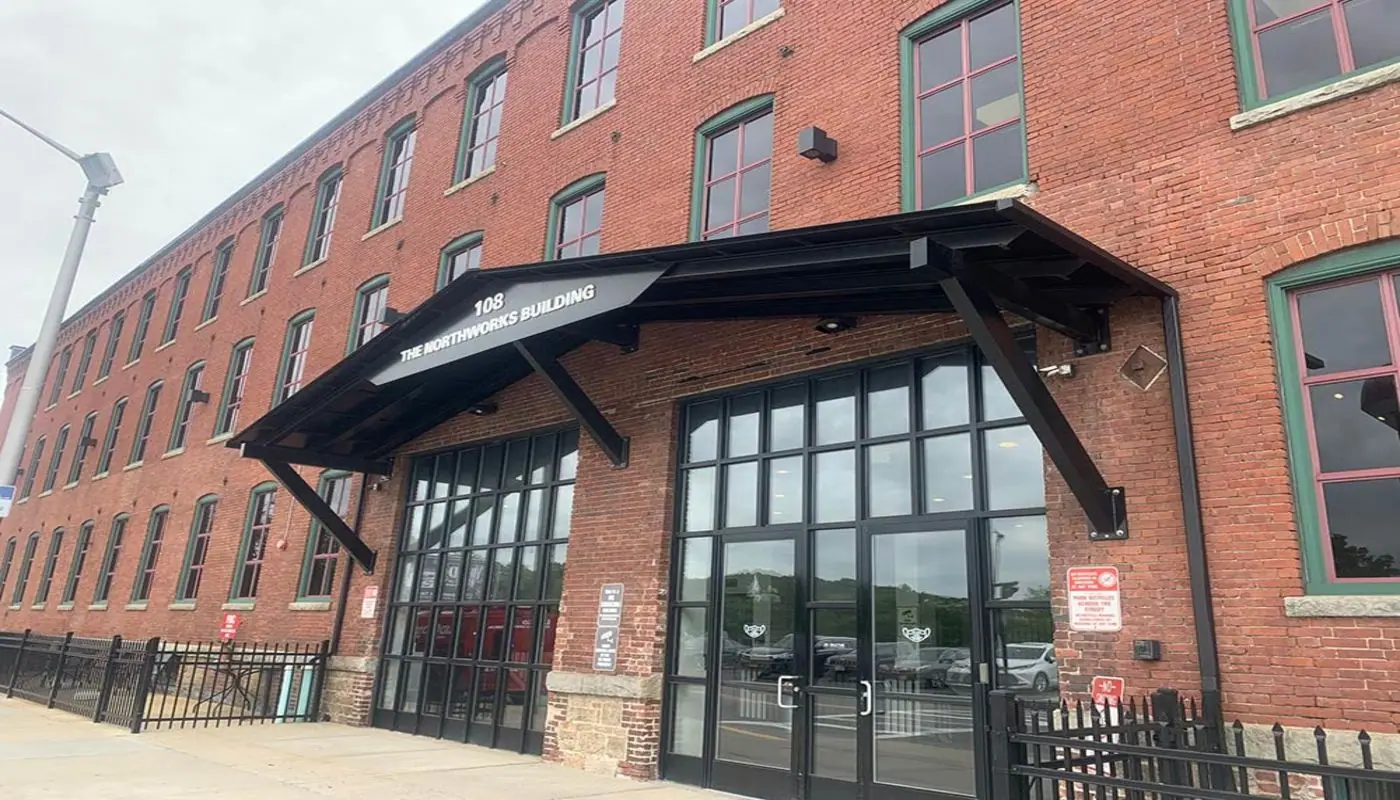
Eleanor Health Worcester Massachusetts runs an outpatient clinic at 108 Grove St.
- Outpatient
-

StoughtonMA
The Healing Center
5.0/580 Google reviews
Typical stay 28+ days
Outpatient care for substance use and for mental health conditions that occur alongside addiction is provided at The Healing Center Stoughton.
- Outpatient
- Co-Occurring Mental Health
Joint Commission View center
-

StockbridgeMA
Austen Riggs Center
3.8/518 Google reviews
Typical stay 30 days
Austen Riggs Center in Stockbridge provides outpatient mental health care for adults.
- Outpatient
Joint Commission View center
-

WeymouthMA
Strength Recovery Center
5.0/528 Google reviews
Typical stay 60 days
Strength Recovery Center Weymouth is an outpatient facility at 1221 Main St.
- Outpatient
-
BostonMA
Franciscan Children’s
3.8/5137 Google reviews
Typical stay 50 days
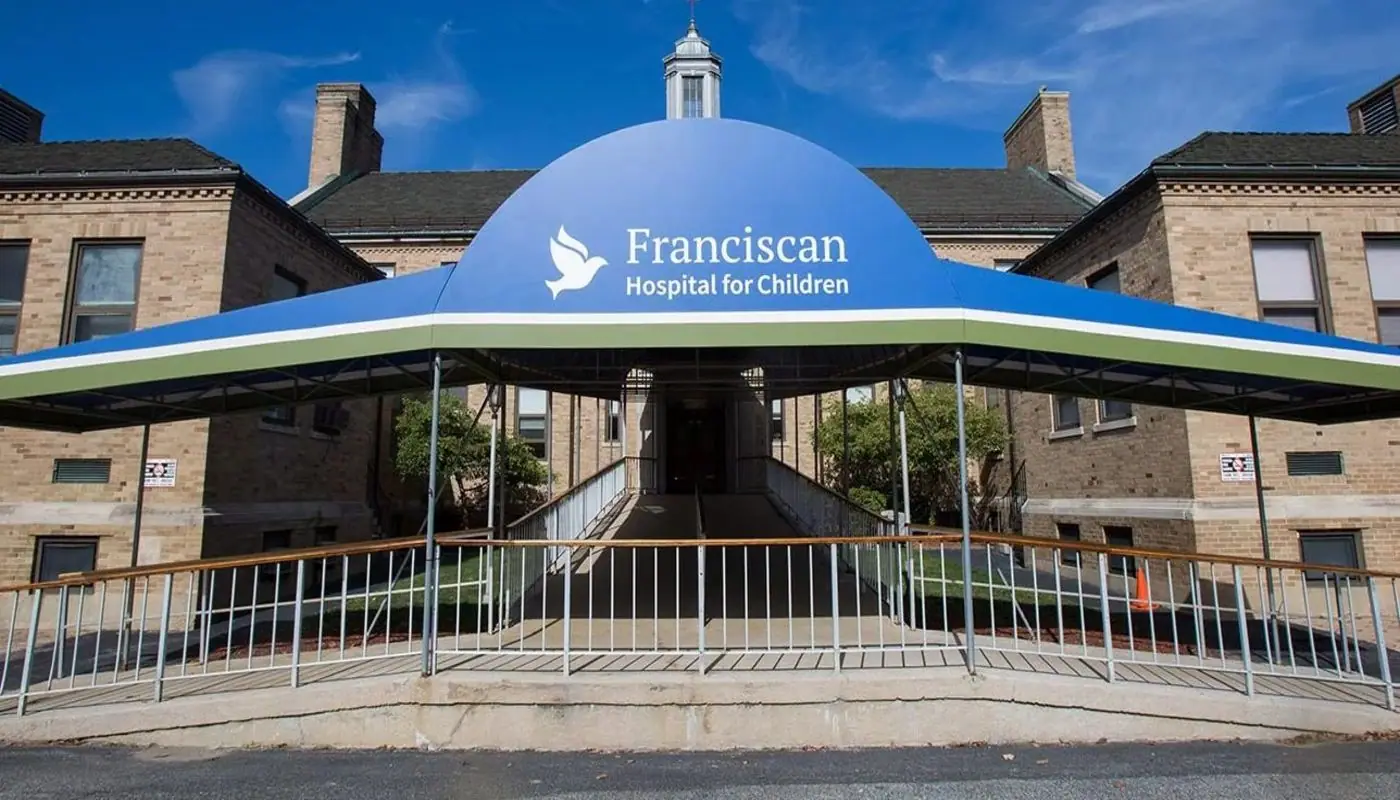
Franciscan Children’s Boston provides outpatient mental health care for young people.
- Outpatient
-
SpringfieldMA
Boca Recovery Center Springfield
4.8/5207 Google reviews
Typical stay 30 days
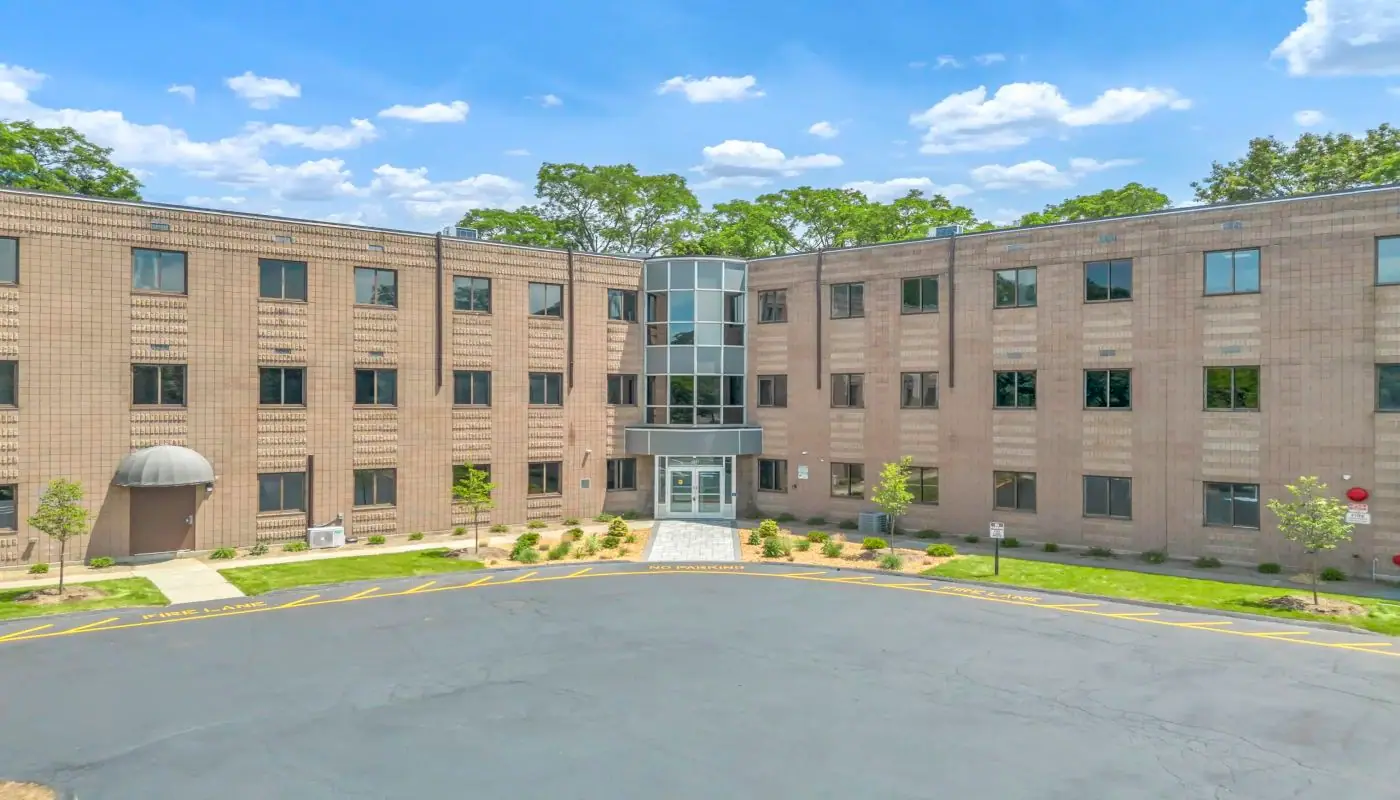
Boca Recovery Center Springfield serves people facing drug or alcohol problems.
- Detox
- Residential Rehab
- Co-Occurring Mental Health
Joint Commission View center

Common questions
What is the Cambridge Eating Disorder Center Cambridge program like?
This is a residential setting with between 31 and 50 beds that began operating in 2000. It serves teens from age 12, young adults between 18 and 26, and adult women, with each group housed on its own floor, and it addresses anorexia, bulimia and binge eating. Most stays run about 30 days. Treatment blends therapy, nutrition guidance and a steady daily routine. The program holds Joint Commission accreditation. Relatives can use the helpline to ask if a bed is currently available.
Does Cambridge Eating Disorder Center accept insurance?
The center says it works with private and public insurance plans and also shows cash pay rates. What you truly owe depends on your particular policy and on the level of care a clinician recommends, so a benefits check is where the usable answer comes from. The helpline call is free, and an advisor can help you get that check started before you commit to anything.
What therapies are used at this eating disorder center in Cambridge?
Therapies listed include cognitive behavioral therapy, dialectical behavior therapy, individual and group counseling, family therapy, expressive arts, psychoeducation, yoga, and medication-assisted treatment when appropriate, along with nutrition education. The approaches are described as evidence-based and gender-specific, and mental health conditions occurring alongside addiction, including substance use, can be addressed in the same plan.
How do I find eating disorder treatment in Massachusetts for a teenager?
Begin by checking the setting and the age range. Teens age 12 and up are treated at this center on a residential floor set aside for them, and tutoring from local instructors is arranged for schoolwork. SAMHSA lists 326 facilities across Massachusetts, so there are choices outside a single program. When you are not sure residential care is the right level, a phone assessment is typically the next step.
What is the difference between detox and residential eating disorder care?
Detox is the period when a substance leaves the body, often with medical monitoring; residential care is a longer structured program of therapy and daily routine. This center lists mental health conditions that occur alongside addiction and medication-assisted treatment when appropriate, but it is not a detox unit. If someone needs withdrawal management first, then a clinician should direct that step before a residential admission is planned.