Boston Comprehensive Treatment Center Boston
Boston Comprehensive Treatment Center offers outpatient care that combines medication with treatment for people who have an opioid use disorder. Among the 326 facilities listed for Massachusetts on SAMHSA FindTreatment.gov, it is one. To ask about coverage and availability, call the helpline.
Outpatient30+ days
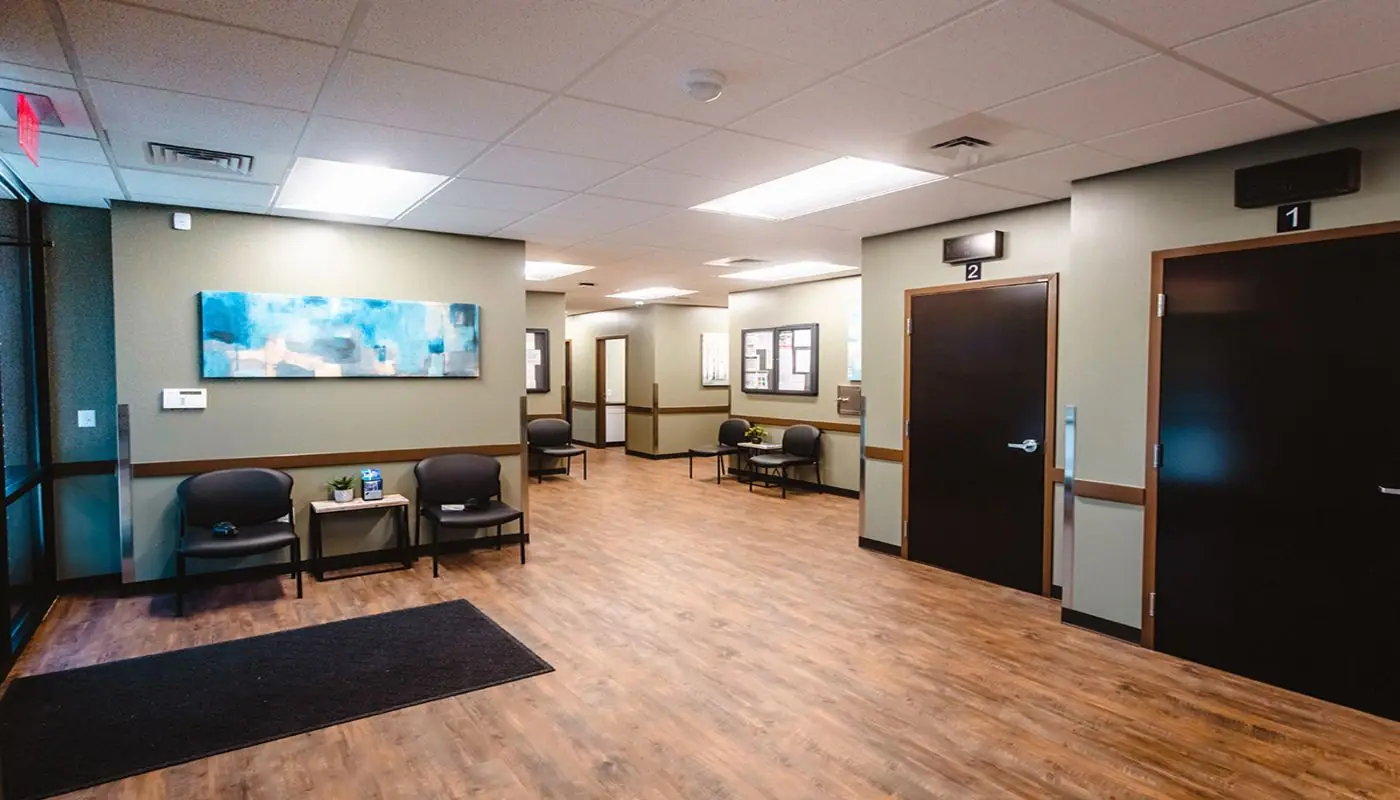
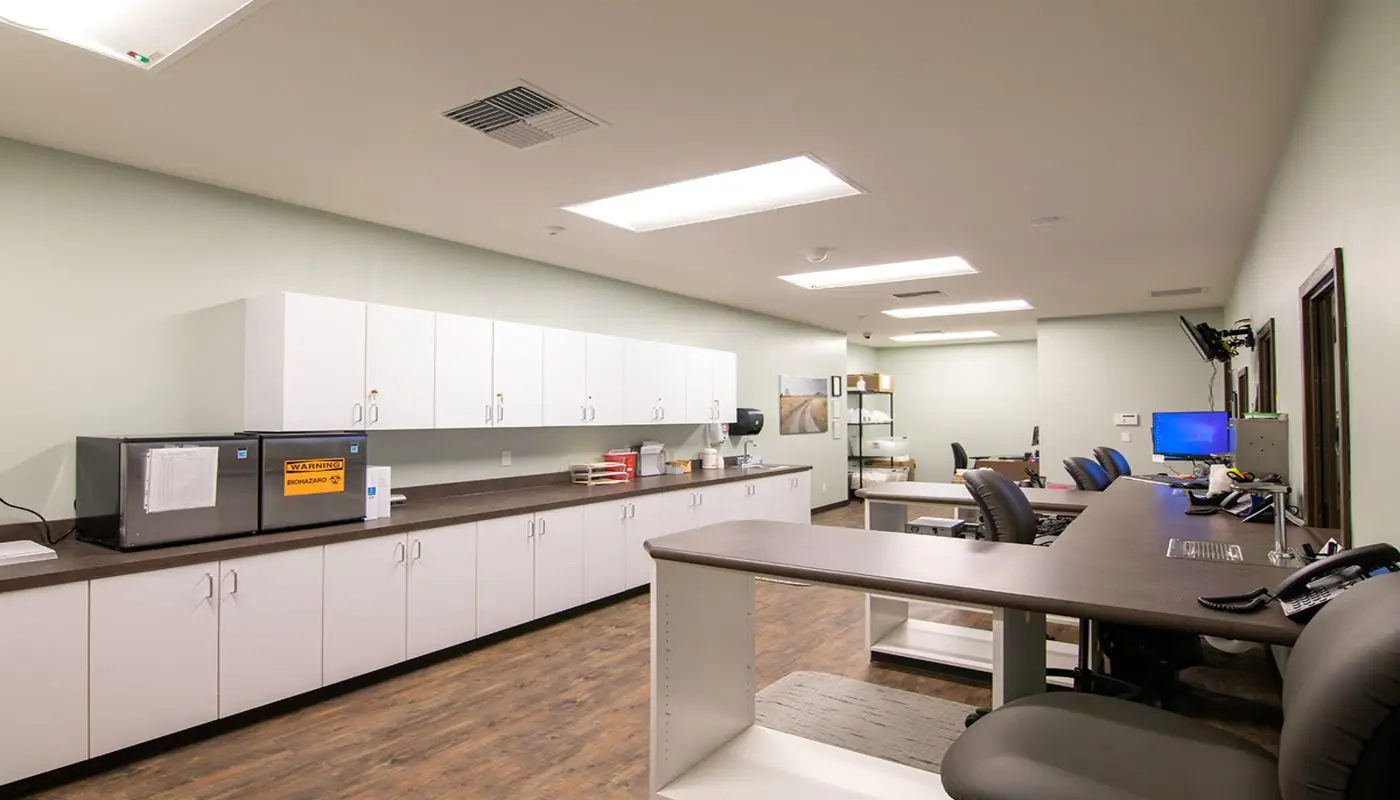
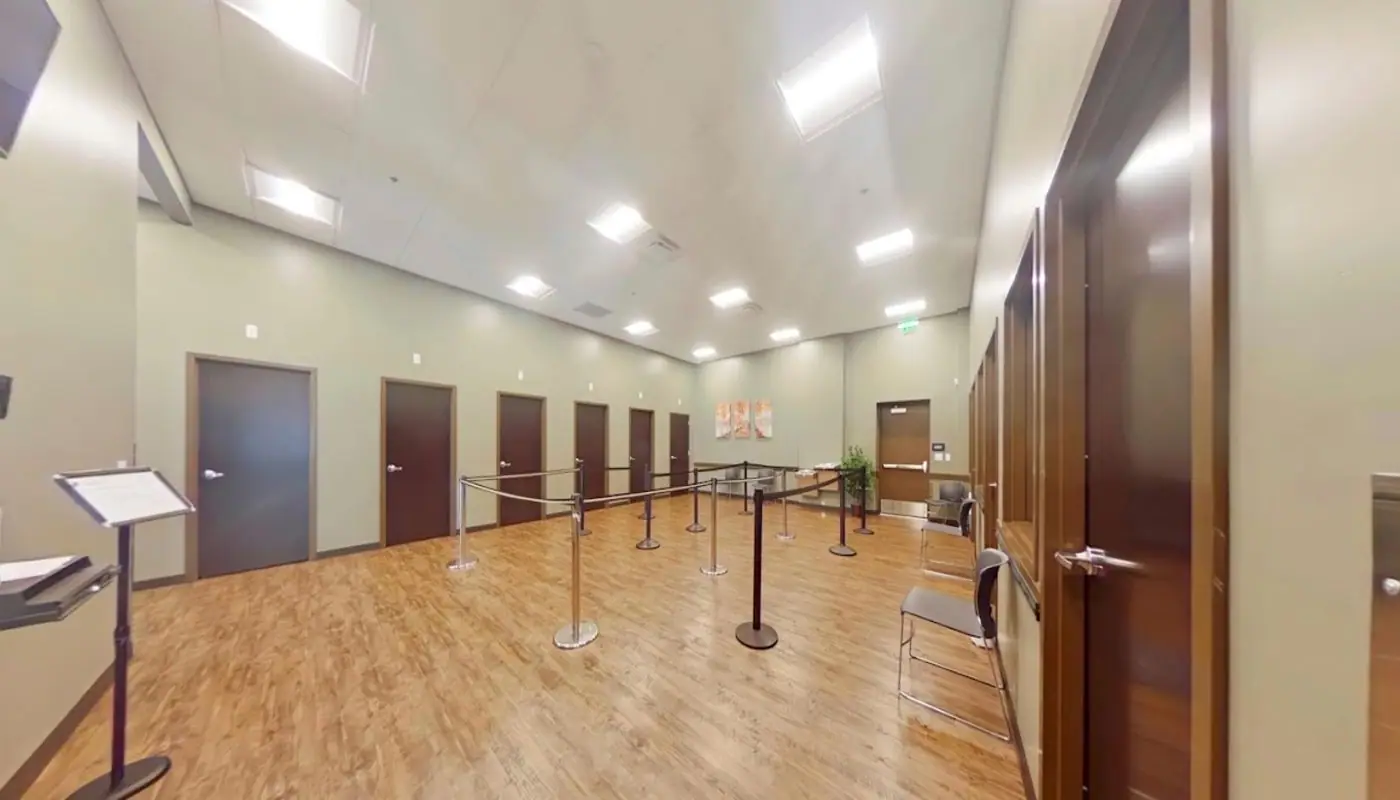
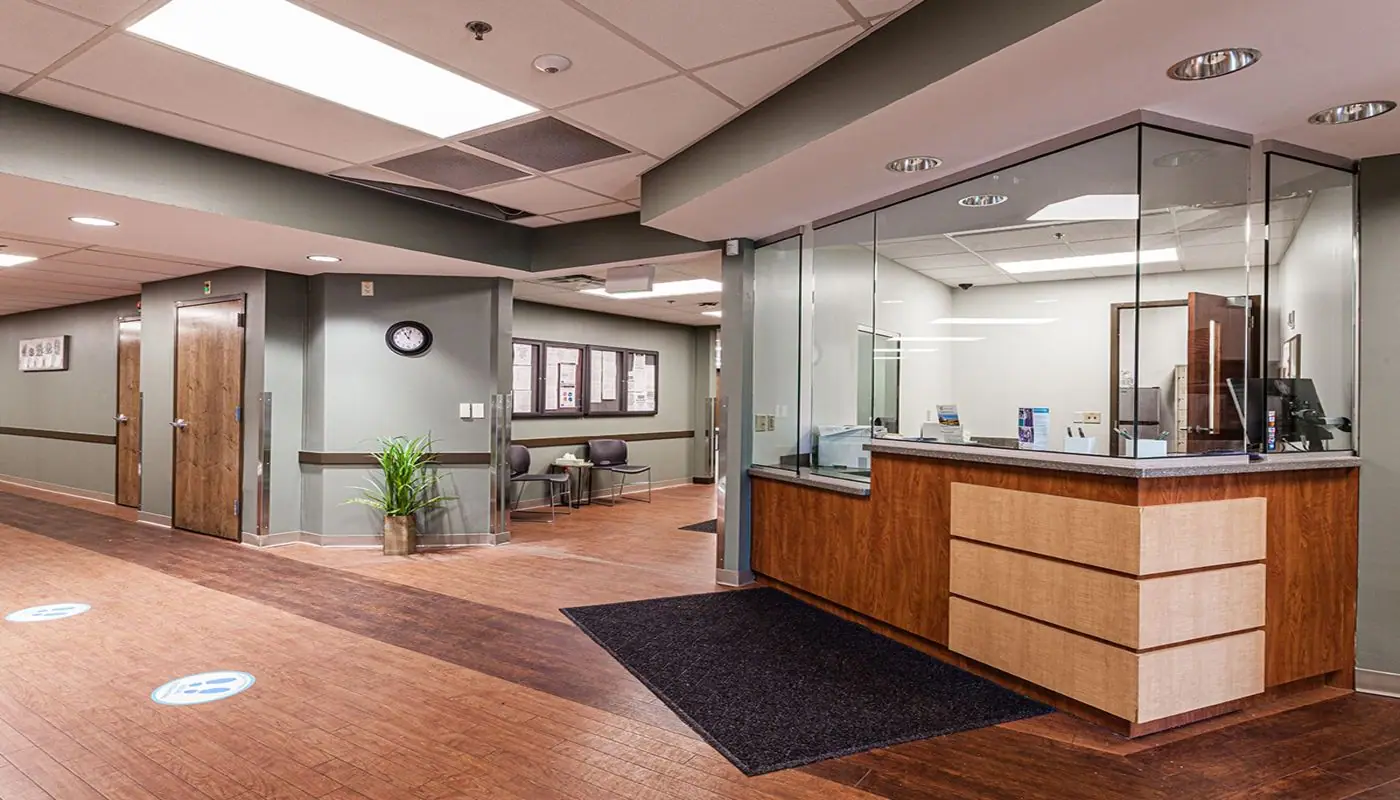
Here, people with opioid use disorder can get outpatient treatment centered on medication-assisted treatment. Once an assessment is done, a clinician might select methadone, buprenorphine, or Suboxone, according to what suits that individual. Counseling, both one-on-one and in groups, accompanies the medication so participants have room to address personal concerns and develop useful abilities that help them stay steady over the long term.
The program centers on consistent day-to-day functioning, ways to prevent relapse, and linking people to supportive people who care. People in Boston looking for outpatient opioid treatment with medication and counseling can start by calling the helpline. The service through trained advisors callers are connected with licensed providers, is free of charge, keeps things private, and requires no commitment.
Since this center provides outpatient care, people come in for scheduled visits and go home in between. That setup can work well for someone with stable housing who wants to keep up their normal routines. Massachusetts families comparing outpatient centers for opioid use disorder should ask how many visits per week the plan involves and what happens if someone needs a higher level of care.
Boston Comprehensive Treatment Center
Care here is outpatient, and the center lists medication-assisted treatment as its main approach. The therapies listed include one-on-one counseling, group dialectical behavior therapy therapy and medication assisted treatment, delivered through evidence-based, individual, and medical approaches. Adults in Massachusetts seeking medically supervised outpatient care for opioids can ask how a typical week is arranged before committing.
Dialectical behavior therapy adds skills for handling intense feelings and urges, while one-on-one sessions make room for issues a person may not want to raise in a group. People comparing drug rehab centers in Massachusetts that accept outpatient scheduling should ask whether counseling is offered in person or by telehealth, and how medication visits are coordinated with therapy sessions.
- Group Therapy
- Evidence-Based
- 1-on-1 Counseling
- Medical
- Dialectical Behavior Therapy
- Individual Treatment
- Medication-Assisted Treatment
Who this Boston program is built for
- Men and women, with men and women listed together as well as women separately
- People with opioid use disorder, including heroin and prescription drug dependence
- Adults who need outpatient care rather than a residential stay
- People seeking medication-assisted treatment with counseling alongside it
- Those who want treatment close to home in Boston and the surrounding area
Length of care, size and language
Most programs run 30 days or more, but the clinic builds each schedule around the person's needs and progress, and services are provided in English. People in Boston comparing outpatient centers across Massachusetts can ask how many visits each week the plan calls for before committing to anything.
Covering costs at this location
Self-pay rates are listed as one payment option, so ask the center directly for its current fee schedule. Families in Massachusetts checking what outpatient treatment centers accept should call the helpline to confirm coverage and costs with the center before booking an appointment. If the person has private insurance, the center can verify benefits over the phone; the helpline helps you get those questions ready.
What to raise before you enroll
- Which medication would be considered first, and why, after the clinical assessment?
- What does a typical week of counseling and dosing visits look like?
- What does the program cost under the cash pay rates, and what does insurance cover?
- How long do most people stay, and what decides when someone steps down?
- What happens if someone misses visits or needs a higher level of care?

More programs near Boston
-
BostonMA
Franciscan Children’s
3.8/5137 Google reviews
Typical stay 50 days
Franciscan Children’s Boston provides outpatient mental health care for young people.
- Outpatient
-

BostonMA
Victory Village
Typical stay 30 days
Victory Village Boston is a Christian-oriented outpatient program on South Huntington Avenue.
- Outpatient
-
BostonMA
Center for Anxiety Boston
Typical stay 90 days
Center for Anxiety Boston helps people with anxiety.
- Outpatient
-

BostonMA
Overstory Health
3.3/59 Google reviews
Typical stay 5 days
Overstory Health is an outpatient mental health center in Boston.
- Outpatient


Common questions
Is Boston Comprehensive Treatment Center an outpatient or inpatient facility?
It is an outpatient center. All care options listed for this Boston location are outpatient, so people attend scheduled visits and go home afterward. That makes it different from a residential program where someone stays overnight. If a person needs round-the-clock monitoring, the helpline can point the family toward other Massachusetts options, and the call costs nothing.
Does this Boston center use Suboxone or methadone for opioid treatment?
Yes. Medication-assisted treatment is a listed specialization, and the center describes methadone, buprenorphine or Suboxone chosen to fit each person. One of 326 SAMHSA-listed facilities in Massachusetts, it combines medication with individual and group counseling. A clinician decides which medication suits someone after an assessment, so ask about that process when you call.
How long does treatment usually last at this center?
Most programs last 30 days or more, and the exact plan depends on the person's needs and how treatment is going. Outpatient schedules often extend beyond a month, since medication and counseling carry on over time. Ask the center how it checks progress and what moving down or up in level of care would involve.
Does MassHealth or private insurance cover this Boston program?
The listing shows cash pay rates, and it does not state which insurers are accepted, so coverage has to be checked by phone. If cost is a worry, ask the center directly and let the helpline help you compare what the plan covers. Medicaid, including the state program, may apply in some situations, but only the center and insurer can confirm it.
What questions should I ask before admission?
Ask about the medication plan following the clinical assessment, what a normal week of counseling and dosing visits involves, the self-pay rate and insurance coverage, how long people typically stay, and what happens if someone misses visits or needs a higher level of care. At no charge the helpline can aid you prepare these questions and connect you with staff at the center.