ADMHA SA and recovery services Springfield
This page explains what ADMHA SA and Recovery Services offers families in Springfield. The program has operated since 2012 at 605 State Street and runs about 5 days. It is one of 326 SAMHSA-listed facilities across Massachusetts.

OutpatientCo-Occurring Mental Health5 daysEspañol offered
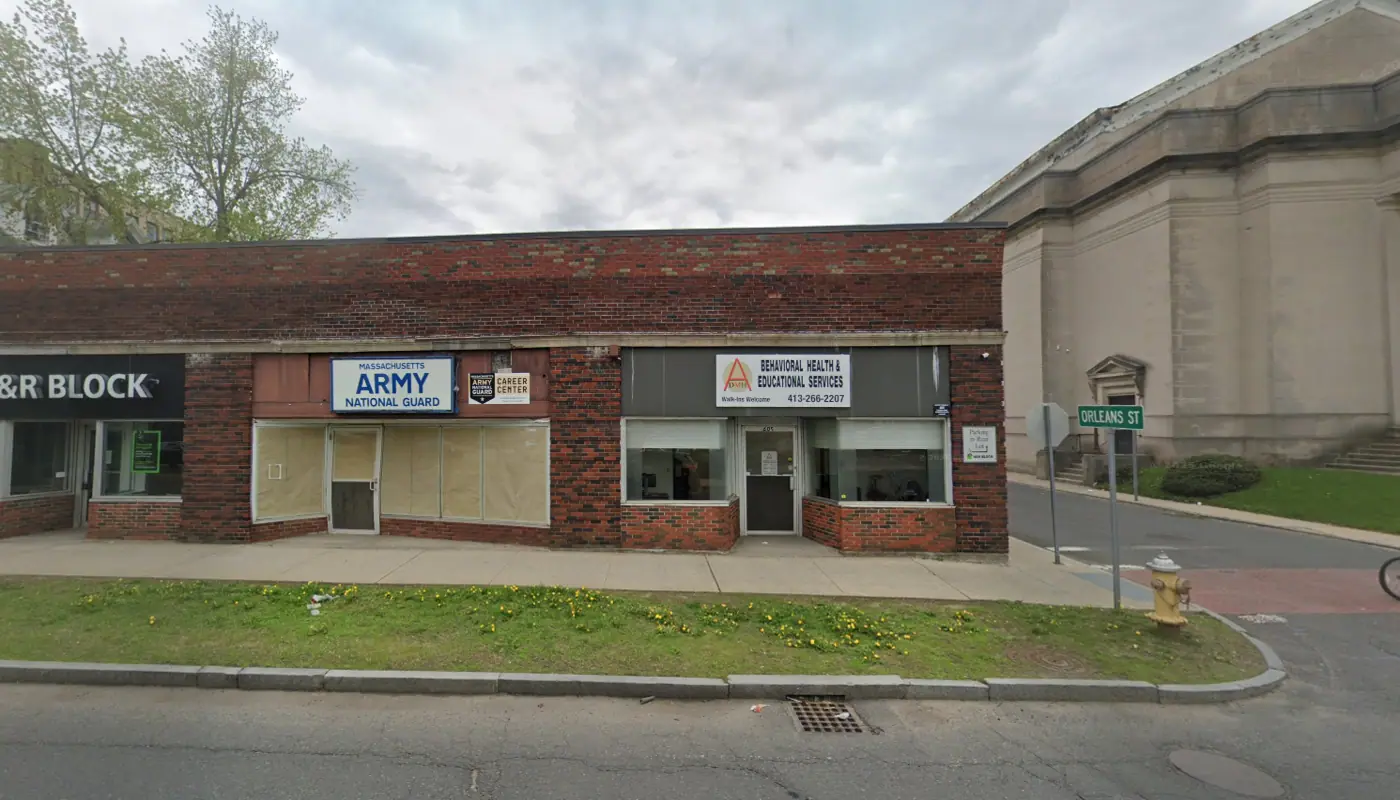
ADMHA SA and recovery services Springfield is an outpatient practice, which means appointments happen while clients keep living at home. The center has been at 605 State Street since 2012 and works with children, teenagers, adults and older adults, along with couples and families who prefer to sort through problems together rather than one person at a time.
What sets the counseling apart is its grounding in the experiences of African Diaspora communities in Springfield. Culture, migration history and family expectations are treated as part of the picture rather than set aside, and sessions happen in a calm setting where people practice coping and communication skills they can carry home.
Because the work is outpatient, nobody has to step away from a job or a household to attend. The team also offers therapy in the home and community outreach, so people who cannot easily travel to an office still have a way in. Massachusetts dual diagnosis treatment here pairs counseling for substance use with care for emotional health in a single plan.
As one of the rehab centers in Massachusetts serving families from many backgrounds, it lists English and Spanish among its languages, which helps when sensitive topics are easier to discuss in the language you think in.
Admha sa and recovery services
Care at this center is outpatient, with co-occurring mental health treatment built into the same program, so substance use and conditions such as anxiety or depression are addressed together rather than in separate silos. Outpatient drug and alcohol treatment in Springfield lets people stay home while they attend counseling instead of stepping away from work or family.
Counseling formats include one-on-one sessions, group therapy, couples work and family therapy, and the team lists cognitive behavioral therapy among its approaches. Attachment-based family therapy and trauma-specific therapy also appear, with psychoeducation and life skills woven through, and the center's approach is trauma informed with family involvement throughout. Online therapy gives Springfield-area families a way to keep appointments when the office is hard to reach.
- Online Therapy
- Psychoeducation
- Group Therapy
- Cognitive Behavioral Therapy
- Attachment-Based Family Therapy
- Life Skills
- 1-on-1 Counseling
- Trauma Informed
- Family Therapy
- Family Involvement
Who this program is for in Springfield
- Adolescents and children who need counseling for substance use or emotional health
- Adults, including older adults and veterans, working on co-occurring conditions
- Couples and families who want to attend sessions together
- People dealing with trauma, grief, anger, anxiety, depression or bipolar disorder
- Anyone seeking help with drug use, co-occurring disorders or smoking cessation
Setting at this Springfield center
Sessions take place at 605 State Street in Springfield, and the typical program length is about 5 days, which fits an outpatient schedule rather than a residential stay. Families across Massachusetts who want counseling close to home can ask how that short schedule is arranged. The center lists English and Spanish among its languages. Therapy is offered in person, online and in the home for people who cannot get to the office. When getting to State Street is difficult, then home-based sessions keep the counseling going instead of letting it lapse.
Covering costs at this location
The center lists out-of-pocket rates, and before you commit to anything, a call is the simple way to learn your plan's coverage. Insurance for outpatient counseling differs a great deal from plan to plan, so a few minutes spent checking what your policy handles is worthwhile. When cost is what is holding your family back, say that plainly on the call and ask what the cash rate really is. Massachusetts Medicaid might cover some outpatient therapy, so ask about that directly instead of guessing one way or the other.
What to raise with this location
- Does my insurance plan cover outpatient counseling here, and what would I owe after that?
- How many sessions a week does the 5-day schedule involve, and can we adjust it?
- Who provides the therapy for children and adolescents, and how are families included?
- Can sessions be held in Spanish or in our home if getting to State Street is hard?
- How does the team coordinate care if my family member also sees a psychiatrist or primary doctor?
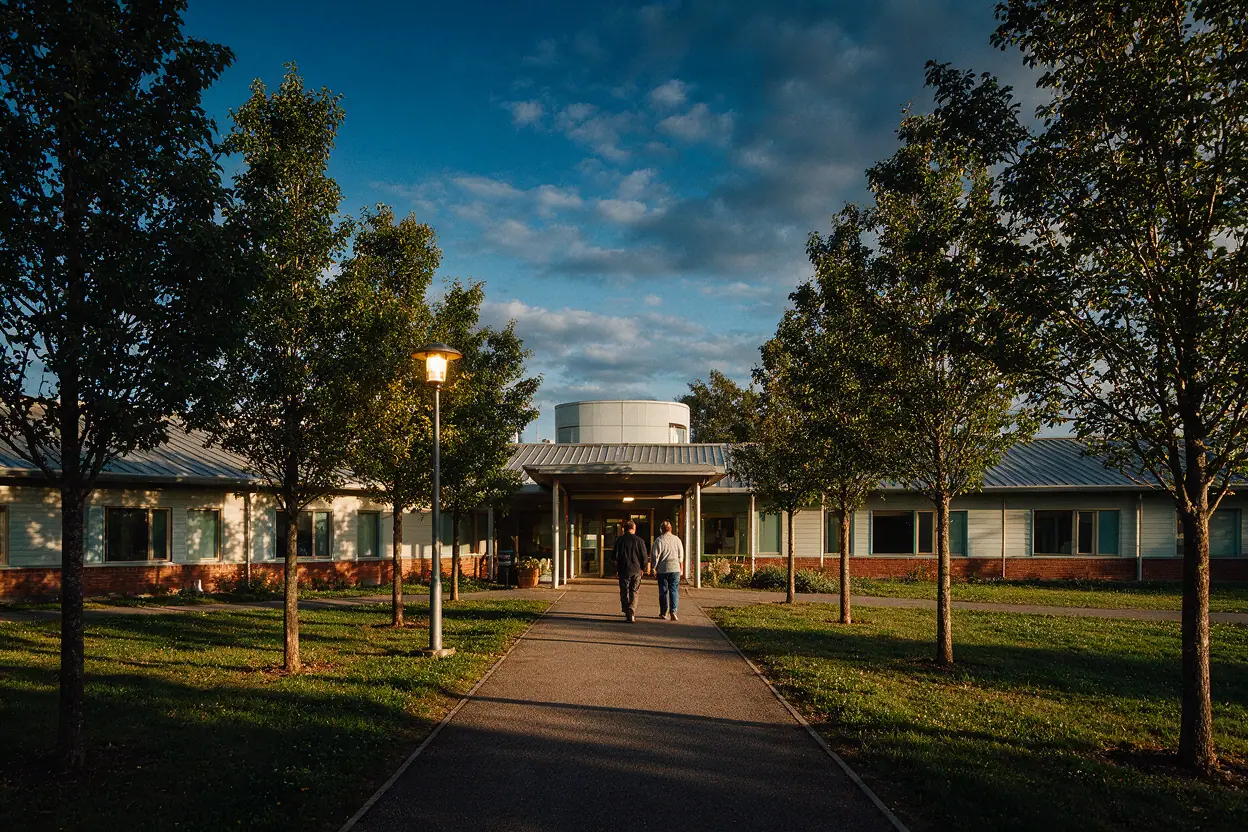
More centers to consider
-
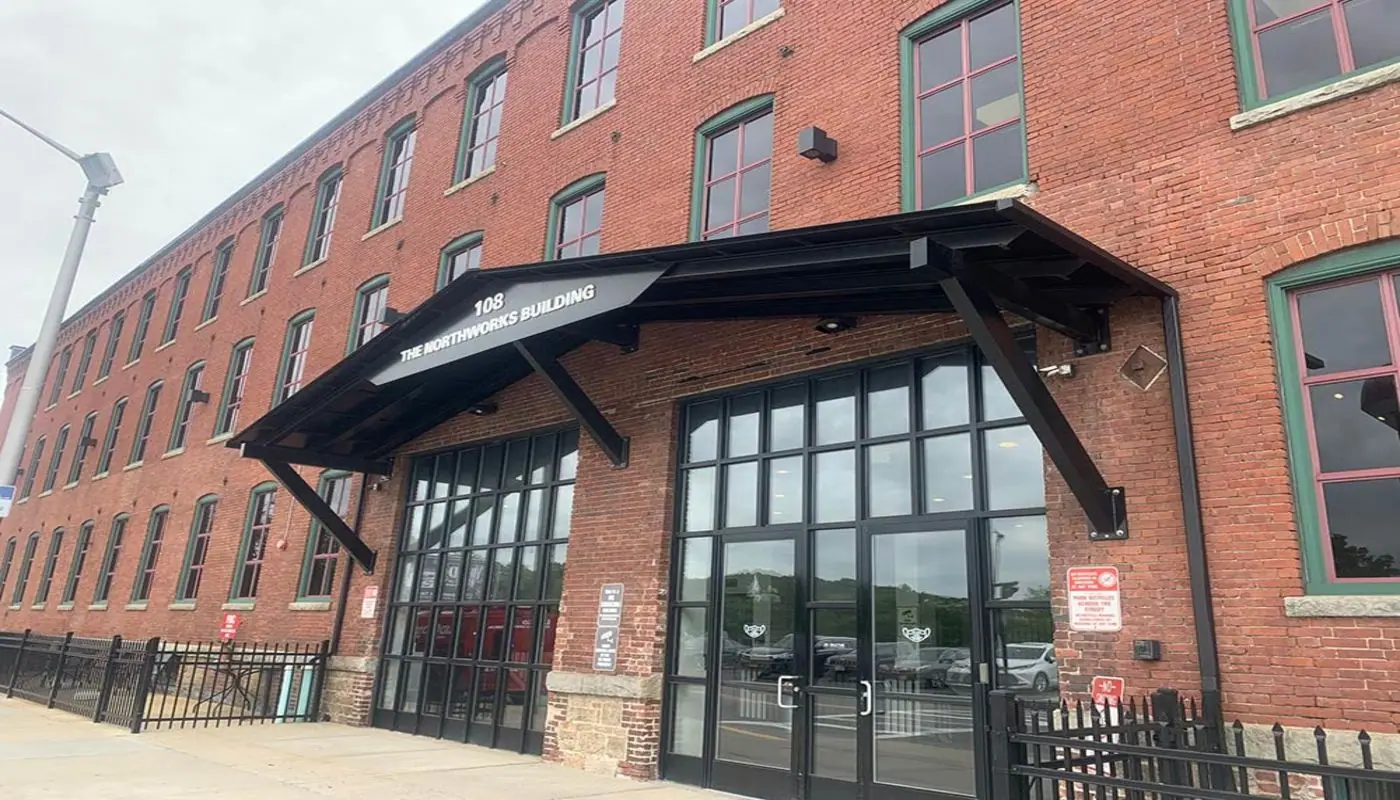
WorcesterMA
Eleanor Health Worcester Massachusetts
4.6/541 Google reviews
Typical stay 5 days
Eleanor Health Worcester Massachusetts runs an outpatient clinic at 108 Grove St.
- Outpatient
-

StoughtonMA
The Healing Center
5.0/580 Google reviews
Typical stay 28+ days
Outpatient care for substance use and for mental health conditions that occur alongside addiction is provided at The Healing Center Stoughton.
- Outpatient
- Co-Occurring Mental Health
Joint Commission View center
-
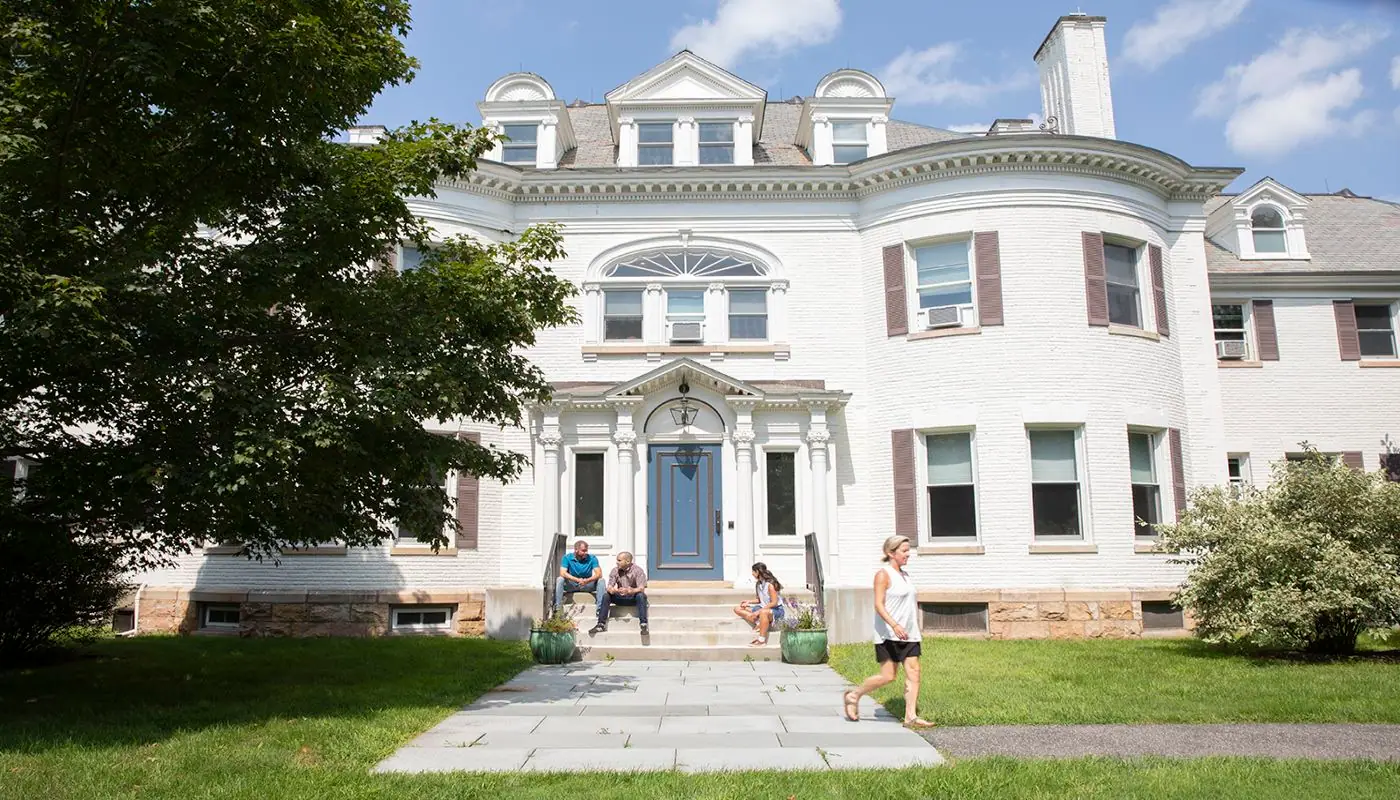
StockbridgeMA
Austen Riggs Center
3.8/518 Google reviews
Typical stay 30 days
Austen Riggs Center in Stockbridge provides outpatient mental health care for adults.
- Outpatient
Joint Commission View center
-
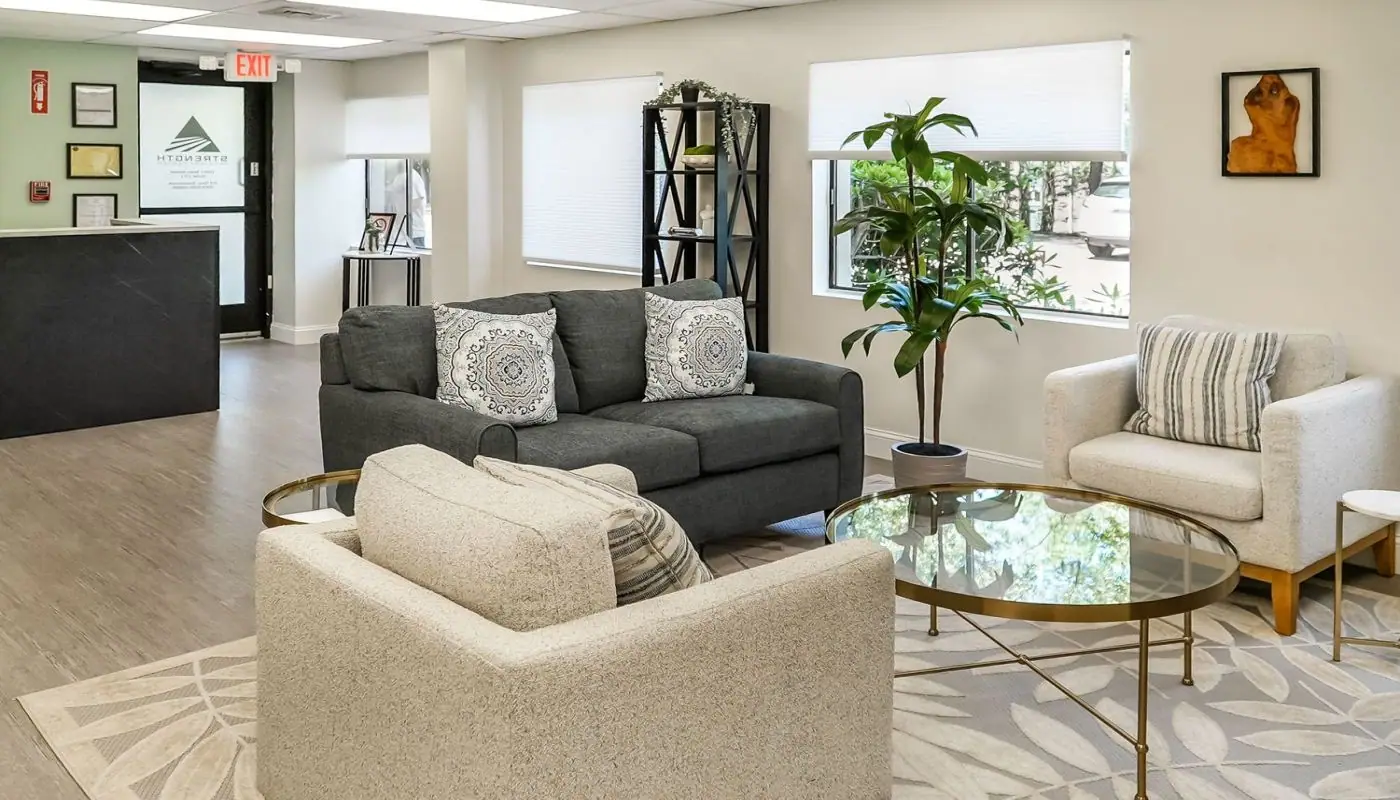
WeymouthMA
Strength Recovery Center
5.0/528 Google reviews
Typical stay 60 days
Strength Recovery Center Weymouth is an outpatient facility at 1221 Main St.
- Outpatient
-
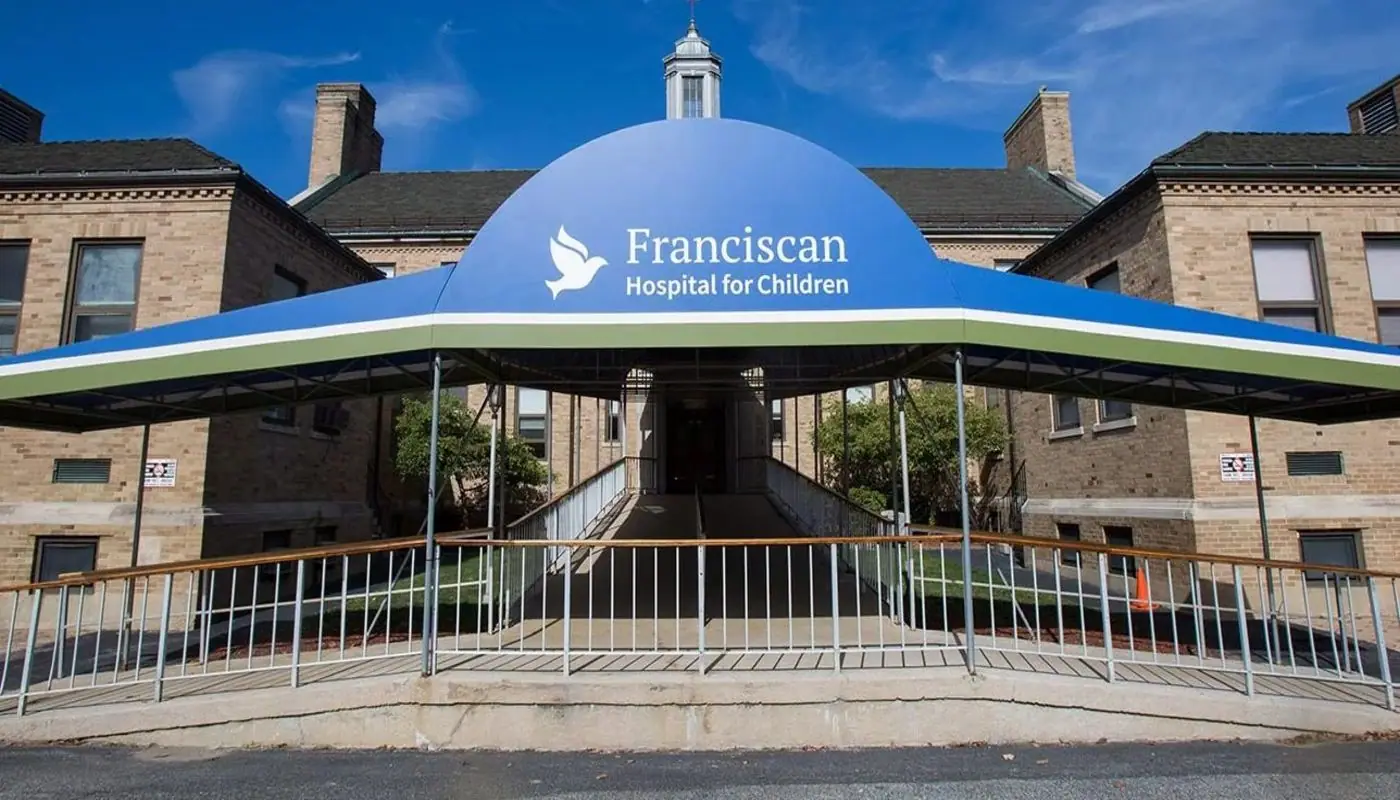
BostonMA
Franciscan Children’s
3.8/5137 Google reviews
Typical stay 50 days
Franciscan Children’s Boston provides outpatient mental health care for young people.
- Outpatient
-
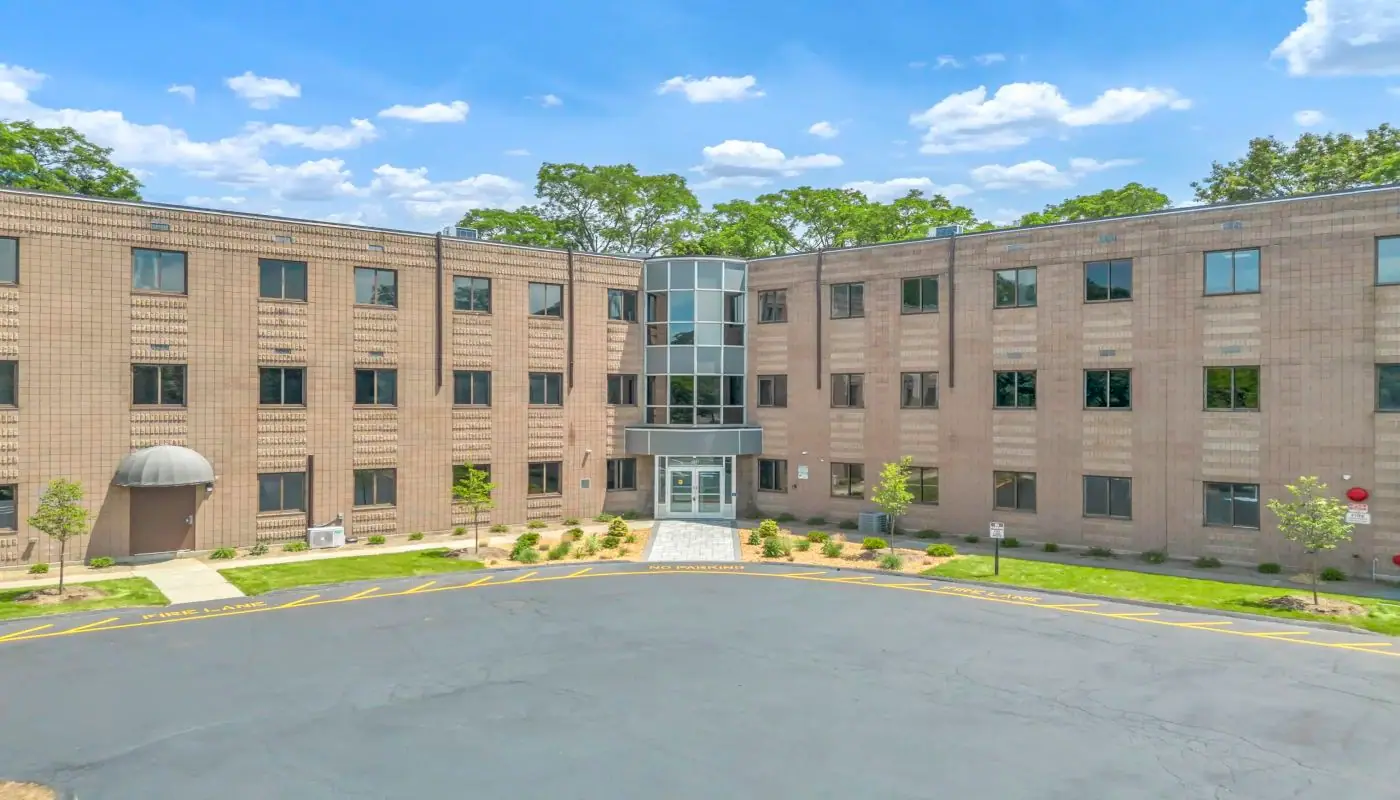
SpringfieldMA
Boca Recovery Center Springfield
4.8/5207 Google reviews
Typical stay 30 days
Boca Recovery Center Springfield serves people facing drug or alcohol problems.
- Detox
- Residential Rehab
- Co-Occurring Mental Health
Joint Commission View center

Common questions
What are the intensive residential treatment programs available in Massachusetts, and is this one of them?
This center is not residential. ADMHA SA and recovery services Springfield is listed as outpatient with mental health conditions that occur alongside addiction, operating at 605 State Street since 2012. If your family member needs round-the-clock care, the helpline can point you toward residential options among the 326 SAMHSA-listed facilities in Massachusetts and help you compare what each one actually offers.
What is the difference between detox and rehab, and does this center provide detox?
Detox is the medical process of clearing a substance while a clinician watches for dangerous withdrawal, and rehab is the counseling and support that follows. This Springfield center lists outpatient care rather than detox, so withdrawal would be handled elsewhere first. That matters most with alcohol and benzodiazepines, where sudden stops can be dangerous and a doctor should be involved.
Will MassHealth pay for rehab or outpatient counseling like this?
What insurance pays depends on the coverage and the level of care, so no one answer fits every family. The center lists cash pay rates, and the helpline can help you inquire about insurance and check what MassHealth covers for outpatient therapy in Springfield. Certain plans pay for counseling with a copay, while others need a referral. Checking ahead of the first appointment keeps surprise bills away.
Can this center address mental health and substance use together?
Yes. Treatment for mental health conditions that occur alongside addiction is one of the two care options it lists, and the team creates a plan that addresses both concerns at once. Conditions treated include bipolar disorder anxiety depression post traumatic stress disorder and trauma. A combined approach counts for a lot when drinking or drug use is tangled up with untreated emotional pain, because treating just one often leaves the other alone.
How long do people usually spend in outpatient care like this?
The center reports a usual program duration of roughly 5 days, which means a schedule of outpatient appointments, not a stay. Care often goes on beyond that first stretch through continuing care and outpatient treatment, and both appear on the list of aftercare options. Ask how many sessions the first week holds, how frequently you would come back afterward, and whether the plan adjusts if progress comes slower than hoped.